Table of Contents (10 sections)
In recent years, the role of drone technology in disaster response has evolved significantly, shaping how emergency services operate during crises. Drones are providing innovative solutions for search-and-rescue operations, delivering essential supplies, and even helping with damage assessments after a disaster strikes. The integration of aerial technology into emergency services allows for quicker, safer, and more efficient responses, ultimately saving lives.
What is Drone Technology in Disaster Response?
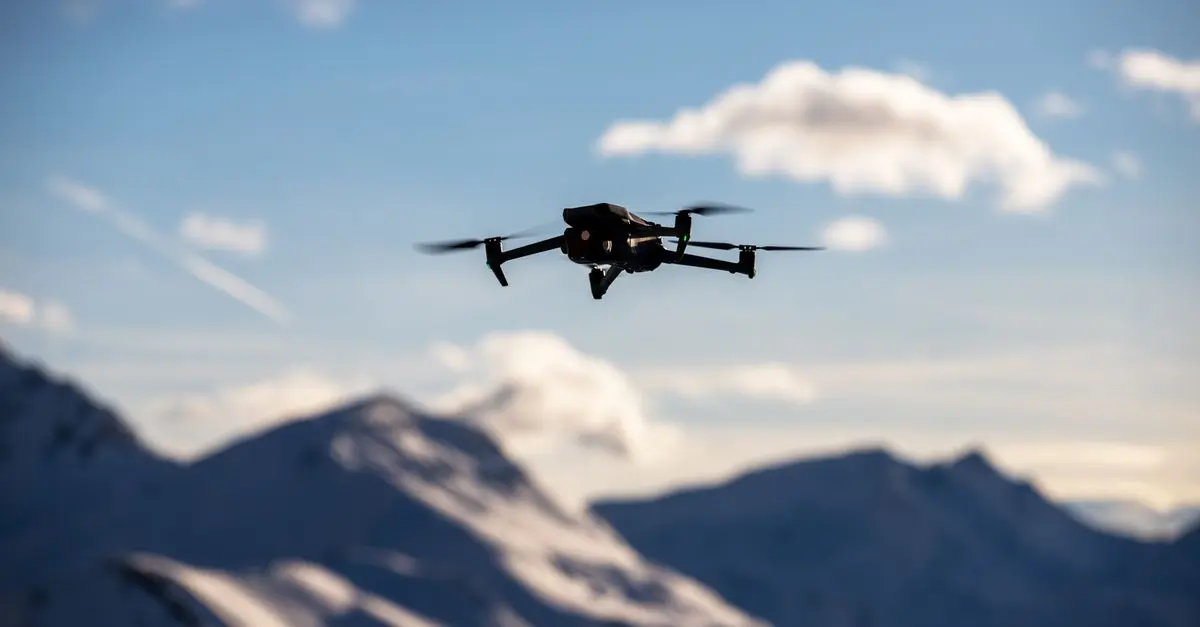
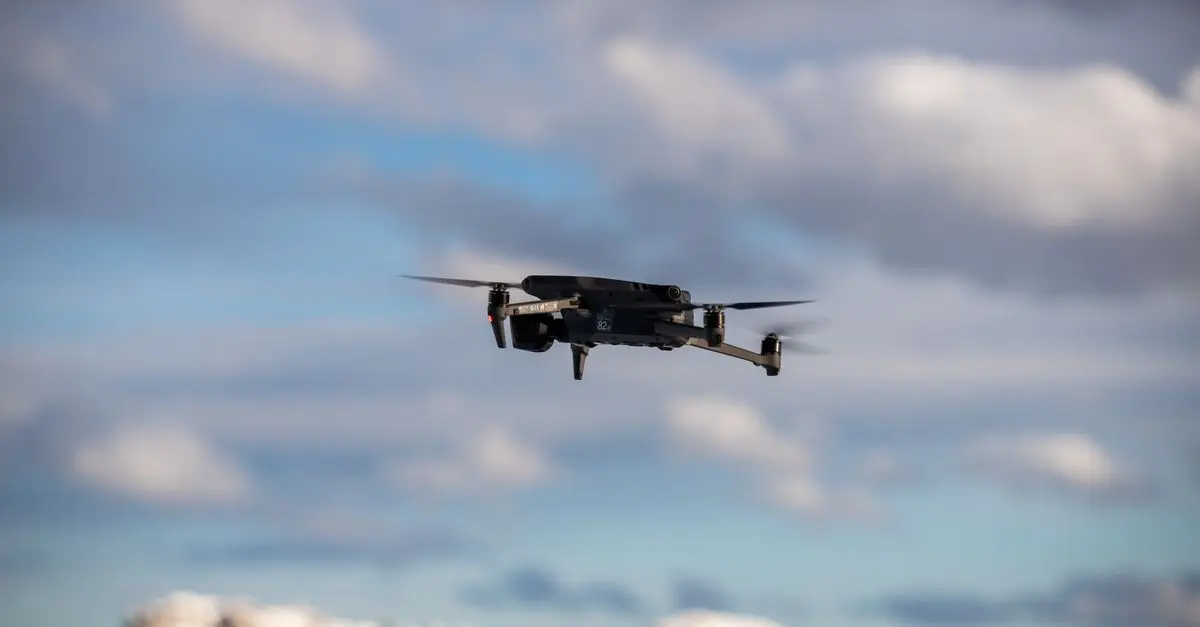
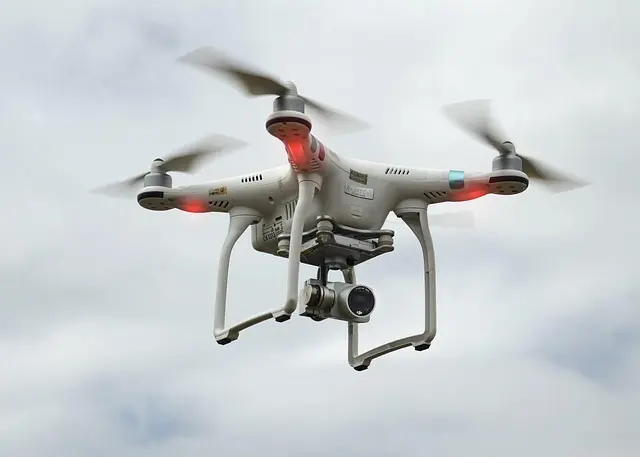
Drone technology refers to the use of unmanned aerial vehicles (UAVs) that can be remotely controlled or can autonomously navigate specific missions. In disaster scenarios, drones serve various functions such as aerial surveying, thermal imaging, and delivering supplies. These technologies allow responders to assess hazardous situations without putting personnel at risk. For instance, a drone equipped with advanced sensors can collect real-time data about affected areas, guiding relief efforts more effectively.
According to a report by UFC-Que Choisir, drones significantly increase the situational awareness of crews by providing aerial views that are otherwise unavailable. Moreover, these flying devices are equipped with cameras and sensors that can capture vital information, such as the temperature of fire-affected areas or locating victims in dense environments. As many localities face extreme weather events more frequently, the demand for drone technology in disaster response is anticipated to grow.
Procedural Use of Drones in Disaster Response
Using drones in disaster response involves several steps that can be easily incorporated into existing emergency frameworks:
- Assessment and Planning: Determine the type of disaster and the best drone technology suited for the task.
- Deployment: Drones are launched from a safe distance to collect data and assess damage without risking human lives.
- Data Collection: High-definition imagery and real-time data are gathered, allowing responders to make informed decisions.
- Analysis and Response Coordination: The information collected is analyzed to devise an effective response strategy. This allows emergency services to allocate resources efficiently.
- Follow-Up Monitoring: After the initial response, ongoing drone assessments can help monitor recovery efforts and environmental changes.
These procedures maximize the effectiveness of emergency responses and provide real-time feedback, which is crucial in fast-changing disaster situations.
Comparison of Drone Technologies in Disaster Scenarios
| Feature | Multi-Rotor Drones | Fixed-Wing Drones | Hybrid Drones | Balloon Drones |
|---|---|---|---|---|
| Flight Time | 20-30 min | 1-3 hours | 60-90 min | 24 hours |
| Payload Capacity | Up to 10 kg | Up to 25 kg | Up to 15 kg | Light instruments |
| Deployment Speed | Rapid | Slower | Moderate | Very Slow |
| Ideal Use Cases | Urban areas, SAR | Extensive area surveys | Search and assess | Remote areas, atmospheric studies |
Data-Driven Insights and Statistics
The utilization of drones in disaster scenarios is not merely anecdotal; statistics support their effectiveness. A 2025 study by Les Numériques found that drones reduced search and rescue times by over 50% in various scenarios. Furthermore, they can provide more than 5 times the area coverage compared to ground teams in the same period.
Local governments are increasingly investing in drone technology as part of their disaster preparedness. In fact, a report from l'INSEE indicates that government expenditure related to drone integration into emergency services is expected to increase by 25% by 2027. Countries with robust disaster mitigation strategies, like Japan and the USA, are leading the way in integrating these technologies into their response frameworks, highlighting the power of drones in enhancing operational efficiency.
Expert Advice on Implementing Drones in Response Operations
> 💡 Expert Opinion:
> As the integration of drone technology into disaster response efforts becomes more common, it is essential to train personnel adequately. According to experts in emergency management, ensuring that teams understand not only how to operate drones but also how to interpret the data they provide is crucial for maximizing the benefits that this technology can offer. Simple, consistent training programs can optimize the use of these devices while ensuring a higher level of safety and precision in operations.
Frequently Asked Questions (FAQs)
- Q: How do drones aid in search and rescue missions?
A: Drones provide real-time aerial reconnaissance, helping teams locate missing persons quickly and effectively. Their ability to access difficult terrains further amplifies their utility.
- Q: Are drones safe to use in disaster areas?
A: Yes, drones are generally considered safe, provided they are operated by trained personnel and the operation is in compliance with regulations. They mitigate risks by gathering data from above.
- Q: What types of drones are best suited for disaster response?
A: Multi-rotor drones are excellent for detailed surveying of small areas, while fixed-wing drones are better for rapid assessments over larger areas.
- Q: Can drones deliver supplies during a disaster?
A: Yes, drones can carry small payloads, including medical supplies and emergency food packs, directly to victims in hard-to-reach areas.
Glossary
| Term | Definition |
|---|---|
| Drone Technology | The use of unmanned aerial vehicles for various applications, including surveillance and delivery. |
| Search and Rescue (SAR) | Operations aimed at locating and providing assistance to individuals in distress or in potentially dangerous situations. |
| Multi-Rotor Drone | A type of drone with multiple rotors, ideal for vertical takeoff and landing, often used for close-range tasks. |
📺 Resource Video
> For further insights on how drone technology is being applied in disaster response, search on YouTube: "drone technology in disaster response 2026".
In conclusion, drone technology represents a game-changer in how emergency services manage disaster response. As technology continues to evolve, the potential applications of drones will likely expand, paving the way for more efficient response strategies. For responders, harnessing this technology not only addresses logistical challenges but also enhances the safety and effectiveness of their operations.
As emergency services evolve, staying abreast of such technological advancements is crucial. Discover our tailored product recommendations suitable for incorporating drone technology into disaster response below.
📺 Pour aller plus loin : drone technology in disaster response 2026 sur YouTube
Recommended products
Selected by our experts

Clinique Redness Solutions Makeup Broad Spectrum SPF 15 With Probiotic Technology, Calming Honey - 1 fl. oz./30 ml
clinique.com

PLAUD Inc. Plaud Note AI Voice Recorder, Voice Recorder w/Case, App Control, Transcribe & Summarize with AI Technology, Support 112 Languages, 64GB
plaud.ai
Nonin Medical NoninConnect™ Finger Pulse Oximeter with Bluetooth® Smart Wireless Technology
concordhealthsupply.com
Nonin Medical NoninConnect™ Finger Pulse Oximeter with Bluetooth® Smart Wireless Technology
concordhealthsupply.com

Plaud NotePin AI Voice Recorder, Voice Recorder with Neck Strap Lanyard, Transcribe & Summarize with AI Technology, 64GB Memory
plaud.ai