Table of Contents (14 sections)
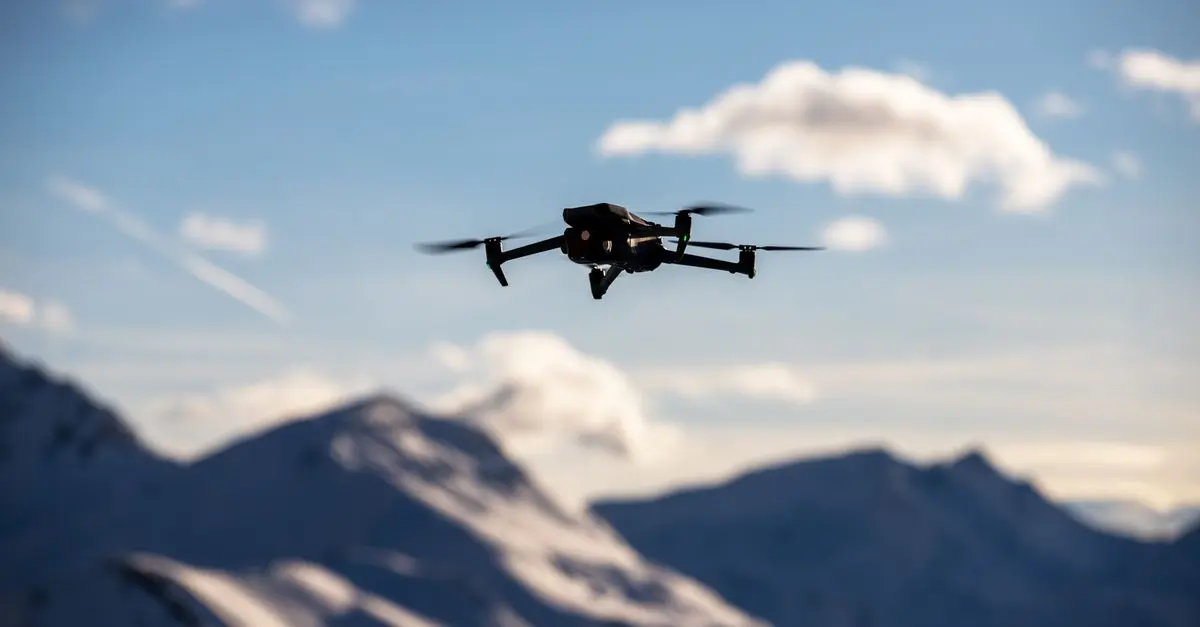
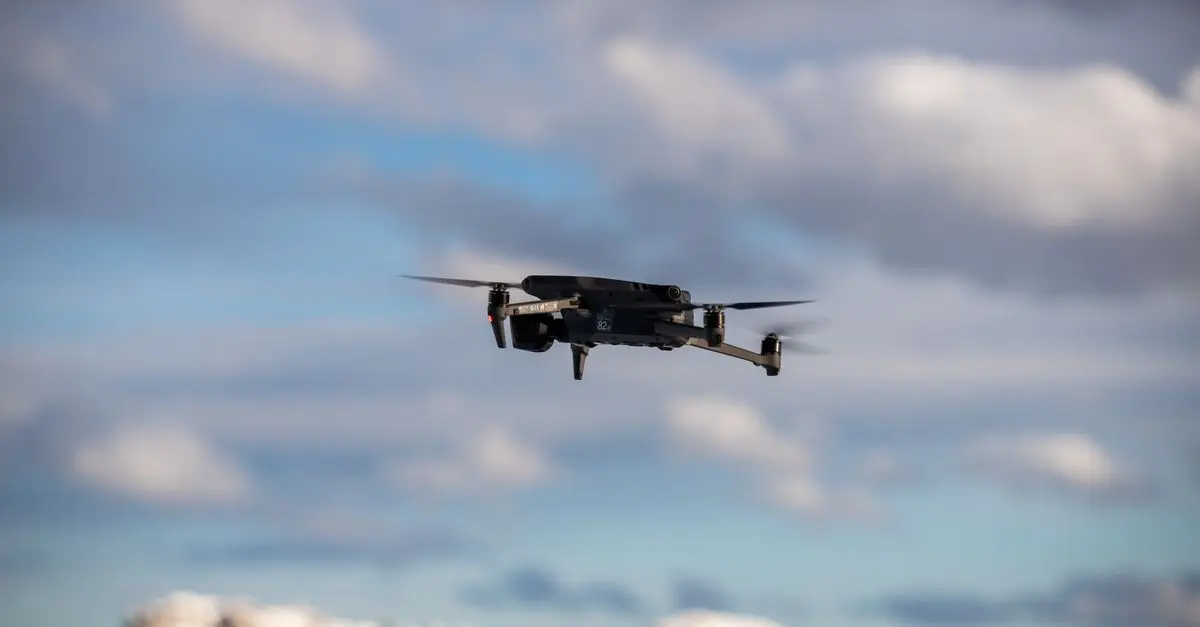
In recent years, the integration of drone technology into disaster response efforts has made significant strides. From natural calamities like earthquakes and hurricanes to man-made catastrophes such as chemical spills, drones are playing an essential role in improving the efficacy and efficiency of disaster management. These unmanned aerial vehicles (UAVs) provide first responders with critical real-time data, allowing for better decision-making and faster response times. This article delves into the multiple facets where drone technology is enhancing disaster response efforts.
What is Drone Technology?
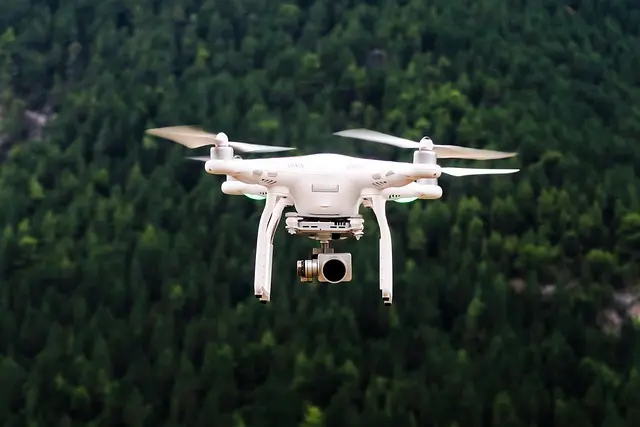
Drone technology refers to the use of UAVs that can be remotely controlled or autonomously navigate without human intervention. These devices are equipped with various tools, such as cameras, sensors, and even payloads for delivering supplies. According to research by the Association for Unmanned Vehicle Systems International (AUVSI), the global drone market is expected to reach USD 43 billion by 2024. Their capabilities lend themselves well to various fields, particularly disaster management. In the context of disaster response, drones can gather comprehensive data from inaccessible areas, giving emergency responders a clearer picture of the situation. They can be employed for aerial surveys, damage assessment, tracking displaced populations, and delivering medical supplies to isolated communities.
Real-World Applications of Drones in Disaster Response
Drones are being effectively used across various scenarios in disaster response. For instance, following hurricanes, drones can fly over affected areas to assess structural damage, map flooded regions, and monitor recovery efforts. The Federal Emergency Management Agency (FEMA) has successfully deployed drone technology in several emergencies, including Hurricane Harvey in 2017.
In the context of wildfires, drones equipped with infrared cameras can detect hotspots, which is essential for creating effective firefighting strategies. They also assist in search-and-rescue operations where traditional methods may fail. Notably, the United Nations has employed drones to track and deliver food and supplies to disaster-stricken areas, showcasing their versatility.
Advantages of Using Drone Technology in Disaster Management
Several advantages arise from incorporating drone technology into disaster response operations. Firstly, drones can operate in dangerous or hard-to-reach areas without risking human life. Secondly, they provide aerial imagery and data collection which significantly accelerate damage assessments, aiding in faster response efforts. According to a report from the World Economic Forum, using drones cuts down response time in disasters by 30%.
Moreover, drones can carry payloads that facilitate action on the ground. For instance, they can deliver first-aid kits, food supplies, or rescue equipment to individuals trapped in isolated locations. The cost-effectiveness of drone operations, including reduced manpower and time, is yet another compelling reason for their growing adoption.

Milwaukee Leather 7.4V Men's True All Seasons Leather Jacket with Heated and Cool Technology
thewarmingstore.com


Comparing Traditional Disaster Response to Drone-Assisted Response
| Criteria | Traditional Response | Drone-Assisted Response | Verdict |
|---|---|---|---|
| Response Time | Slower, requires ground teams | Rapid assessments through aerial views | Drones significantly improve response time |
| Data Collection Method | Manual surveys and reports | Automated real-time data collection | Drones provide comprehensive data quickly |
| Risk Exposure | High risk for personnel | Minimal risk, remote operation | Drones reduce the risk to human life |
| Cost Efficiency | Higher resource costs | Lower operational costs | Drones can reduce costs substantially |
Current Limitations of Drone Technology in Disaster Response
While drone technology offers numerous advantages, there are inherent limitations. For instance, drone flights are often subject to regulatory restrictions. Each country has its own regulations, which can complicate deployment during emergencies. Drones require skilled operators, necessitating the need for training and certification. Additionally, inclement weather such as heavy rain, wind, and fog can limit operational capabilities, leading to potential delays in response times.
Furthermore, the initial investment in drone technology, including the cost of drones and training personnel, can be significant. However, many argue that the long-term benefits outweigh these initial costs.
💡 Expert Opinion: According to experts from the International Disaster Emergency Committee, the future of drone technology holds promising advancements, including enhanced AI for smarter decision-making and better autonomous navigation. As technology progresses, we can expect more user-friendly and specialized drones suited for various disaster scenarios.
FAQs on Drone Technology in Disaster Response
1. How do drones collect data in disaster scenarios?
Drones are equipped with cameras and sensors that capture images and data, which are then transmitted in real-time to ground teams for analysis.
2. Are drones safe to use during disasters?
While generally safe, their use in active disaster zones must be managed carefully to avoid interference with manned aircraft and ensure operator safety.
3. Can drones be used for delivering medical supplies?
Yes, drones can carry lightweight medical supplies and deliver them to isolated areas quickly, which is crucial during emergencies.
4. What kind of training is required to operate drones for disaster response?
Operators typically need to undergo training for flying drones, understanding emergency protocols, and data analysis techniques.
Checklist before Implementing Drone Technology in Disaster Response
- [ ] Identify suitable drones for the task.
- [ ] Ensure compliance with local regulations.
- [ ] Train operators effectively.
- [ ] Develop an integration plan with existing disaster management strategies.
- [ ] Conduct trial runs to test operational efficiency.
Samsung Laundry Dryer with AI Control and Heat Pump Technology in White(DV25FG62B0BEA2)
samsung.com

Samsung Front Load Washer & Dryer Set with Vibration Reduction Technology+ and Sensor Dry in White(BNDL-1603912197302)
samsung.com

BISSELL CleanView with OnePass Technology Plus Upright Bagless Vacuum Sienna 3583
bissell.com
Glossary
| Term | Definition |
|---|---|
| UAV (Unmanned Aerial Vehicle) | A type of aircraft operated without a human pilot on board. |
| Payload | The load carried by a drone, which can include supplies or sensors. |
| Real-time data | Information that is collected and available immediately for analysis. |
📺 Resource Video
> 📺 For further insights: Discover how drone technology is revolutionizing disaster management. Search on YouTube: "drone technology disaster response 2026".
📺 Pour aller plus loin : drone technology disaster response 2026 sur YouTube
Recommended products
Selected by our experts

Clinique Redness Solutions Makeup Broad Spectrum SPF 15 With Probiotic Technology, Calming Honey - 1 fl. oz./30 ml
clinique.com

PLAUD Inc. Plaud Note AI Voice Recorder, Voice Recorder w/Case, App Control, Transcribe & Summarize with AI Technology, Support 112 Languages, 64GB
plaud.ai
Nonin Medical NoninConnect™ Finger Pulse Oximeter with Bluetooth® Smart Wireless Technology
concordhealthsupply.com
Nonin Medical NoninConnect™ Finger Pulse Oximeter with Bluetooth® Smart Wireless Technology
concordhealthsupply.com

Plaud NotePin AI Voice Recorder, Voice Recorder with Neck Strap Lanyard, Transcribe & Summarize with AI Technology, 64GB Memory
plaud.ai