Table of Contents (16 sections)
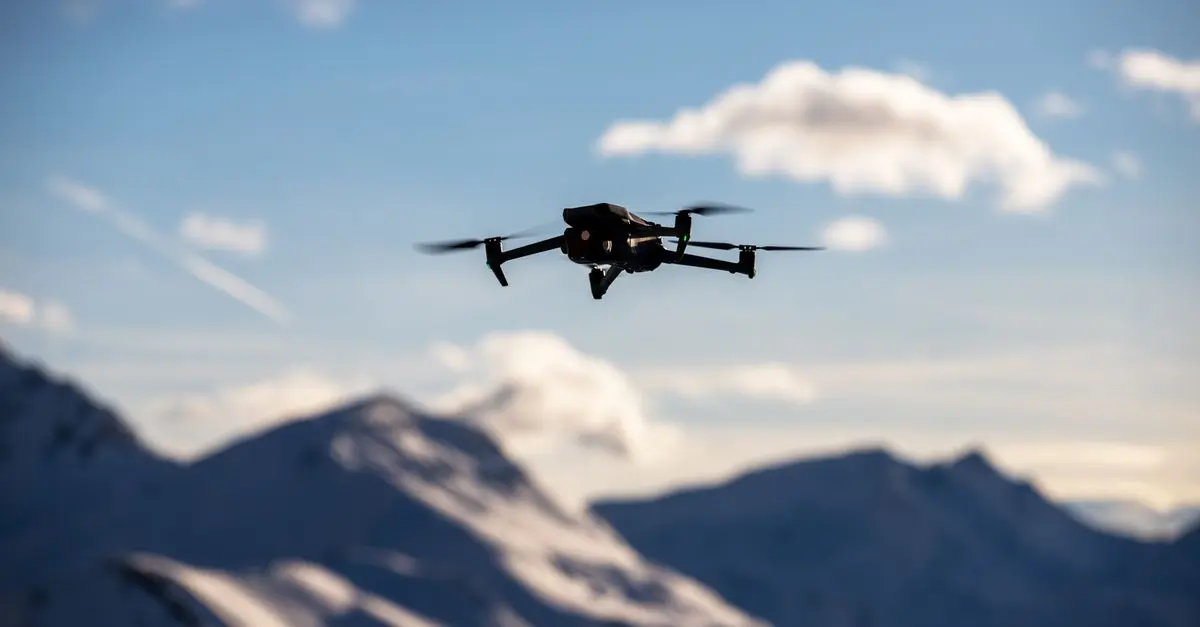
In recent years, drone technology has dramatically reshaped various industries, particularly in the realm of aerial surveying. The ability to capture data from above has opened new frontiers for surveying methods, allowing for precision, speed, and cost-effectiveness that traditional methods struggle to achieve. This article delves into how drone technology is enhancing aerial surveying techniques, examining its advantages, applications, and future prospects.
What is Drone Technology in Aerial Surveying?
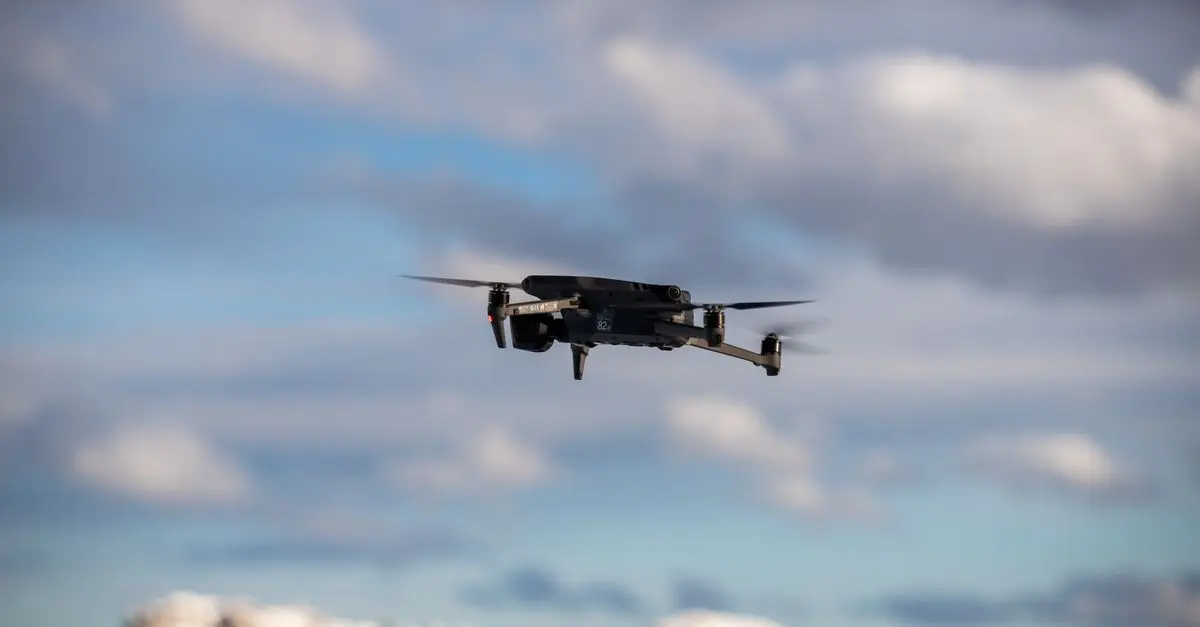
Drone technology, specifically in aerial surveying, refers to the use of unmanned aerial vehicles (UAVs) equipped with advanced sensors and cameras to collect geographical data. Unlike conventional surveying methods which might rely on physical land surveying equipment over vast areas, drones can cover large terrains quickly and efficiently.
Key technologies integrated into drones, such as LiDAR (Light Detection and Ranging) and photogrammetry, allow for accurate mapping and data collection that can be processed to create high-resolution 3D models and topographic maps. According to the Federal Aviation Administration (FAA), drone usage has increased by over 300% in survey and mapping sectors in the past five years, signifying a shift towards technology-driven solutions in this industry.
Benefits of Using Drones in Aerial Surveying
The adoption of drone technology in aerial surveying brings numerous benefits:
- Increased Efficiency: Drones can cover large areas in a fraction of the time it takes traditional methods. For instance, a drone can survey an area of 100 acres in about one hour, while traditional methods may take several days.
- Cost-Effective: Utilizing drones reduces labor costs and the need for expensive equipment. A typical drone surveying project may cost 50% less than traditional ground surveying methods.
- Safety: Drones can access unsafe or hazardous environments without putting surveyors at risk. They can glide over cliffs, deep valleys, and even hazardous terrain where ground staff would find it difficult or dangerous to operate.
- Higher Accuracy: Drones equipped with advanced GPS technology provide georeferenced data that ensures greater accuracy in mapping and modeling.
These enhanced capabilities mean businesses can make more informed decisions based on real-time, precise data, thus improving project outcomes and stakeholder confidence.


BISSELL CleanView with OnePass Technology Plus Upright Bagless Vacuum Sienna 3583
bissell.com
How Drone Surveying Works: A Step-by-Step Guide
Implementing drone technology involves a systematic approach that can be broken down into several crucial steps:
Step 1: Planning the Survey
Before any data collection, it is vital to plan the survey. This involves defining the area to be surveyed, the objectives of the survey, and the types of data needed. Surveyors use specialized software to create flight paths ensuring that the drone will cover the area efficiently.
Step 2: Pre-Flight Check
Conduct a pre-flight inspection to ensure the drone is in perfect working condition. This includes checking batteries, GPS systems, and camera alignment to guarantee quality data collection.
Step 3: Data Collection
Launch the drone to begin data collection. The UAV operates autonomously to follow the predetermined path, capturing images or laser data depending on the required outputs. This process typically takes only a few hours, depending on the area size.
Step 4: Data Processing
After data collection, the next phase is processing the collected data using powerful software solutions. This produces detailed orthomosaic maps and 3D models, which can be further utilized for analysis.
Step 5: Analysis and Reporting
Finally, the processed data is analyzed and compiled into reports that provide stakeholders with insightful visualizations and critical insights necessary for decision-making.
Comparative Analysis: Drone Surveying vs. Traditional Methods
Here’s a look at how drone surveying compares to traditional methods:
| Criteria | Drone Surveying | Traditional Surveying | Verdict |
|---|---|---|---|
| Time Efficiency | Fast (100 acres in 1 hour) | Slow (days or weeks needed) | Drones are significantly faster |
| Cost | 50% cheaper | Higher costs due to labor and equipment | More cost-effective |
| Safety | Minimal risk to surveyors | Higher risk in hazardous areas | Safer operations with drones |
| Accuracy | High precision with GPS | Moderate, reliant on equipment | Superior accuracy with drones |
The future of drone technology in aerial surveying looks promising. The market is anticipated to grow significantly, with estimates suggesting an increase from approximately $4 billion in 2020 to over $20 billion by 2026, highlighting the technology's expanding role in various sectors, including construction, agriculture, and environmental monitoring.
Technologies such as AI and machine learning are beginning to merge with drone operations, leading to improved data analysis and predictive modeling. Moreover, regulatory advancements allowing wider commercial drone usage will further enhance the potential of drones in aerial surveying.
💡 Expert Opinion: According to a report by Drone Analysts, as drone technology progresses, its application in surveying will be indispensable for industries looking for efficient, reliable, and safe data collection methods. Future integration with smart technologies will likely streamline workflows and improve data utility.
📺 For Further Exploration:
Explore this insightful video: Drone Surveying: A Game Changer for Land Mapping, for a comprehensive overview of the topic.
Q1: What types of drones are used in surveying?
A: Drones used in surveying range from small quadcopters for detailed work to larger fixed-wing drones for extensive geographic coverage.
Q2: How accurate are drones in aerial surveying?
A: Drones can achieve an accuracy rate of up to 1-3 cm, especially when equipped with high-precision sensors like RTK GPS.
Q3: Can drones be used in adverse weather conditions?
A: Most drones have limitations in rain or high winds, but specialized drones can operate under moderate conditions.
Q4: What industries benefit from drone surveying?
A: Industries including construction, agriculture, real estate, and environmental management significantly benefit from drone surveying technology.
Glossary
| Term | Definition |
|---|---|
| LiDAR | A remote sensing method that uses light in the form of a pulsed laser to measure ranges. |
| Photogrammetry | The art and science of obtaining reliable measurements by the process of recording, measuring, and interpreting photographic images. |
| UAV (Unmanned Aerial Vehicle) | An aircraft that is operated without a human pilot on board, commonly referred to as a drone. |

Milwaukee Leather 7.4V Men's True All Seasons Leather Jacket with Heated and Cool Technology
thewarmingstore.com
Samsung Laundry Dryer with AI Control and Heat Pump Technology in White(DV25FG62B0BEA2)
samsung.com

Samsung Front Load Washer & Dryer Set with Vibration Reduction Technology+ and Sensor Dry in White(BNDL-1603912197302)
samsung.com
Checklist Before Drone Surveying
- [ ] Determine survey area and objectives
- [ ] Plan flight path using mapping software
- [ ] Conduct pre-flight checks on the drone
- [ ] Ensure environmental regulations are met
- [ ] Analyze and interpret data post-collection
Conclusion
In conclusion, drone technology is undeniably transforming the field of aerial surveying. Its advantages in efficiency, accuracy, and safety are reshaping industry standards and practices. For those looking to modernize their surveying operations, investing in drone technology is not merely making a choice—it's making a commitment to excellence.
For professionals and companies eager to leverage drone technology, we have selected several products suited for various needs. Explore our recommendations below for more insights.
📺 Pour aller plus loin : drone surveying techniques 2026 sur YouTube
Recommended products
Selected by our experts

Clinique Redness Solutions Makeup Broad Spectrum SPF 15 With Probiotic Technology, Calming Honey - 1 fl. oz./30 ml
clinique.com

PLAUD Inc. Plaud Note AI Voice Recorder, Voice Recorder w/Case, App Control, Transcribe & Summarize with AI Technology, Support 112 Languages, 64GB
plaud.ai
Nonin Medical NoninConnect™ Finger Pulse Oximeter with Bluetooth® Smart Wireless Technology
concordhealthsupply.com
Nonin Medical NoninConnect™ Finger Pulse Oximeter with Bluetooth® Smart Wireless Technology
concordhealthsupply.com

Plaud NotePin AI Voice Recorder, Voice Recorder with Neck Strap Lanyard, Transcribe & Summarize with AI Technology, 64GB Memory
plaud.ai