Table of Contents (23 sections)
In recent years, the field of aerial surveying has undergone a dramatic transformation, driven by advancements in drone technology. This innovative technology enables faster, more accurate data collection across various sectors, including agriculture, construction, environmental monitoring, and mapping. In this article, we will explore how these advancements are enhancing aerial surveying techniques and what that means for professionals in the field.
What is Drone Technology in Aerial Surveying?
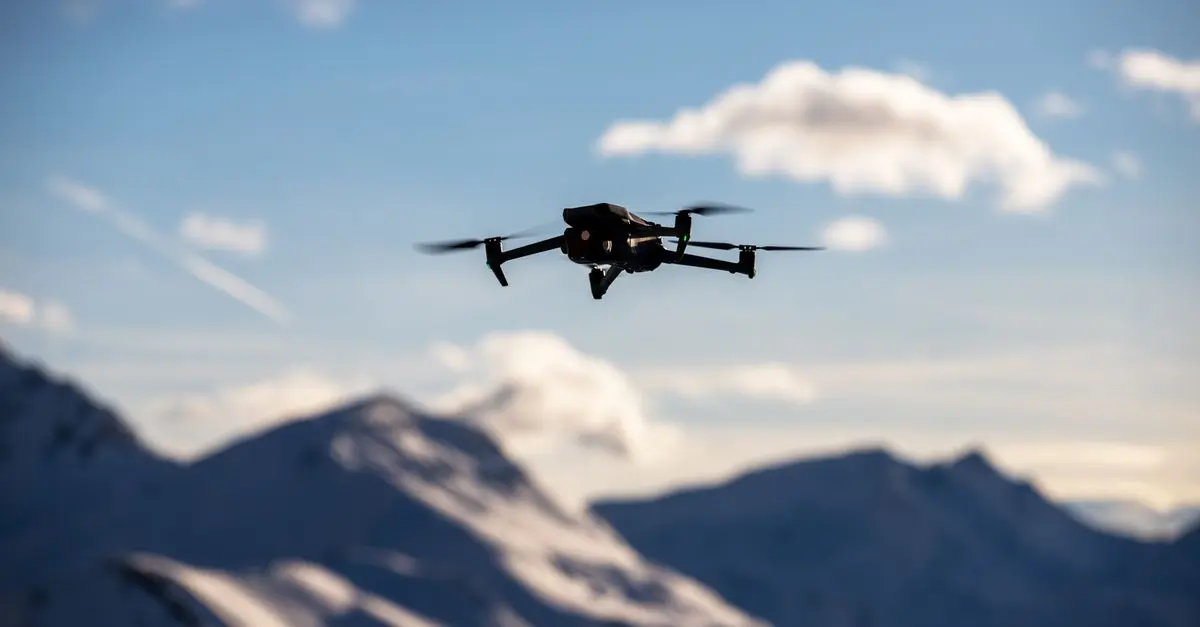
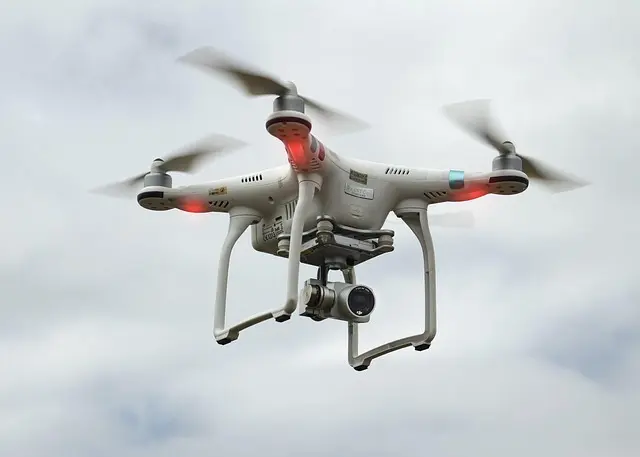
Drone technology refers to the utilization of unmanned aerial vehicles (UAVs) equipped with sensors, cameras, and GPS for data collection and analysis. In aerial surveying, drones can cover large areas quickly, capturing high-resolution images and precise measurements with minimal human intervention. This capability allows for detailed mapping and terrain analysis that traditional methods can’t match.
According to a report by UAV Digest, the drone surveying market is expected to grow significantly, with a projected market size of $10 billion by 2028. The use of drones in surveying provides a combination of speed, efficiency, and cost-effectiveness, making them an essential tool for modern surveying practices.
How Drone Technology Enhances Aerial Surveying Practices
The incorporation of drone technology into aerial surveying practices brings numerous enhancements, including:
Increased Efficiency
Drones can significantly reduce the time required for surveying tasks. Traditional surveying methods often involve lengthy ground-based measurements and data collection. However, drones can cover large tracts of land in a fraction of the time. For instance, a drone can survey an area of over 100 acres in less than a day, while conventional methods might take several days to complete.
High-Resolution Data
Drones equipped with high-resolution cameras and various sensors can capture detailed imagery and data that far surpasses what traditional surveying tools can provide. This capability allows for precise measurements and the creation of high-resolution maps. Additionally, drones can operate in challenging environments and under various weather conditions, further enhancing data collection capabilities.
Cost Reduction
Incorporating drone technology in aerial surveying reduces labor costs and equipment expenses. Organizations can achieve high-quality results without the need for extensive manpower or expensive ground surveying equipment. A study by Market Research Future revealed that drone surveys can save up to 80% compared to traditional methods, making it an attractive option for many businesses.

BISSELL CleanView with OnePass Technology Plus Upright Bagless Vacuum Sienna 3583
bissell.com


Samsung Front Load Washer & Dryer Set with Vibration Reduction Technology+ and Sensor Dry in White(BNDL-1603912197302)
samsung.com
Step-by-Step Guide: Implementing Drone Technology in Aerial Surveying
To effectively utilize drone technology in aerial surveying, follow these steps:
Step 1: Determine Your Needs
Identify the purpose of the survey, the area to be covered, and the type of data required. Consult with your team to evaluate specific requirements.
Step 2: Choose the Right Drone
Pick a drone that fits your surveying needs. Consider factors such as flight time, payload capacity, and camera quality. Certain drones are specifically designed for surveying applications, offering advanced capabilities.
Step 3: Use Mapping Software
Integrate mapping software to process the data captured by the drone. Software solutions like Pix4D or DroneDeploy can help create detailed 2D maps and 3D models based on drone imagery.
Step 4: Conduct the Survey
Conduct the aerial survey, ensuring the drone is operated according to local regulations and safety guidelines. Monitor the drone for optimal performance throughout the survey.
Step 5: Analyze and Present Findings
Once data collection is complete, analyze the data using your chosen mapping software. Present your findings through reports or visuals to stakeholders.
Comparative Analysis: Drones vs. Traditional Surveying
Here’s a straightforward comparison of both methods:
| Criteria | Drones | Traditional Surveying | Verdict |
|---|---|---|---|
| Speed | Fast (days vs. weeks) | Slow (weeks) | Drones are significantly faster. |
| Accuracy | High (cm-level accuracy) | Moderate (m-level accuracy) | Drones provide superior accuracy. |
| Cost Efficiency | High (up to 80% lower) | Low (higher upfront costs) | Drones are more cost-effective. |
| Accessibility | Can reach inaccessible areas | Limited accessibility | Drones can survey hard-to-reach zones. |
Statistics and Trends in Drone Aerial Surveying
The use of drones in aerial surveying has seen significant growth in recent years. According to Statista, the number of commercial drones in operation is expected to increase from 450,000 in 2022 to over 1.5 million by 2026. This growth reflects the increasing acceptance and integration of drone technology across different industries. Organizations are recognizing the benefits of adopting drones for data collection, visualization, and monitoring, resulting in a substantial reduction in the time and resources spent on traditional surveying practices.
What types of drones are used for surveying?
Drones equipped with high-resolution cameras, LiDAR sensors, and GPS are commonly used for aerial surveying. Typical models include quadcopters and fixed-wing UAVs.
How accurate is drone surveying compared to traditional methods?
Drone surveying can achieve accuracies of up to 1-5 cm, significantly better than traditional surveying methods, which often reach only meter-level accuracy.
Can drones be used for all types of surveys?
While drones excel in vast open areas, their efficacy can diminish in environments with tall structures or dense vegetation. Therefore, careful planning is essential to determine applicability.
What regulations must be adhered to when using drones for surveying?
Regulations vary by country, but generally, operators must ensure compliance with local aviation authorities, maintain visibility of the drone, and respect privacy laws.
Glossary
| Term | Definition |
|---|---|
| UAV (Unmanned Aerial Vehicle) | An aircraft operated without a pilot onboard, often referred to as a drone. |
| LiDAR (Light Detection and Ranging) | A remote sensing method used to examine the surface of the Earth, utilizing laser light. |
| GIS (Geographic Information System) | A framework for gathering, managing, analyzing, and visualizing geospatial data. |

Milwaukee Leather 7.4V Men's True All Seasons Leather Jacket with Heated and Cool Technology
thewarmingstore.com

Samsung Laundry Dryer with AI Control and Heat Pump Technology in White(DV25FG62B0BEA2)
samsung.com
Checklist before Purchase
- [ ] Determine survey needs and objectives
- [ ] Research and select the appropriate drone model
- [ ] Check local regulations for drone use
- [ ] Obtain training for drone operation
- [ ] Invest in mapping software for data analysis
📺 Resource Video
> 📺 For further exploration: Discover the impact of drone technology on surveying, look for videos on YouTube: drone technology aerial surveying 2026.
📺 Pour aller plus loin : drone technology aerial surveying 2026 sur YouTube
Recommended products
Selected by our experts

Clinique Redness Solutions Makeup Broad Spectrum SPF 15 With Probiotic Technology, Calming Honey - 1 fl. oz./30 ml
clinique.com

PLAUD Inc. Plaud Note AI Voice Recorder, Voice Recorder w/Case, App Control, Transcribe & Summarize with AI Technology, Support 112 Languages, 64GB
plaud.ai
Nonin Medical NoninConnect™ Finger Pulse Oximeter with Bluetooth® Smart Wireless Technology
concordhealthsupply.com
Nonin Medical NoninConnect™ Finger Pulse Oximeter with Bluetooth® Smart Wireless Technology
concordhealthsupply.com

Plaud NotePin AI Voice Recorder, Voice Recorder with Neck Strap Lanyard, Transcribe & Summarize with AI Technology, 64GB Memory
plaud.ai