Table of Contents (18 sections)
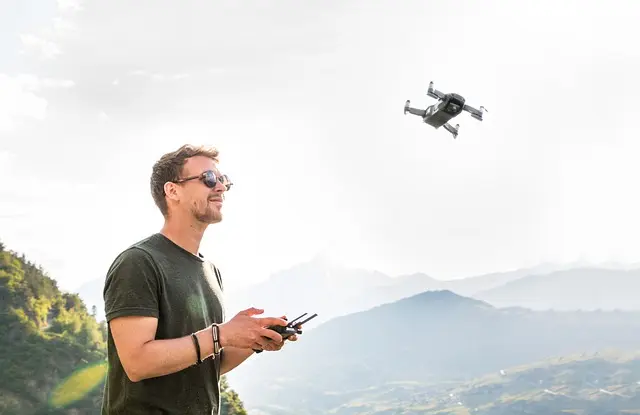
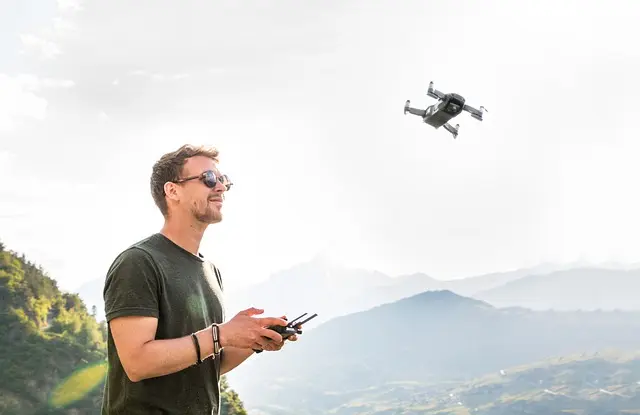
Aerial photography has evolved significantly over the years, especially with the advent of drone technology. In recent times, drones have revolutionized how we capture images from above, enabling photographers to explore new perspectives and achieve stunning results. The ability to fly at various altitudes and angles allows for creative expression previously unattainable with traditional methods.
What is Drone Technology?
Drone technology refers to the utilization of unmanned aerial vehicles (UAVs) equipped with advanced camera systems to capture imagery from the sky. Unlike traditional aerial photography, which often required helicopters or planes, drones make aerial photography more accessible and affordable. This technology offers a range of benefits, including the ability to capture high-resolution images and videos from diverse perspectives, enabling photographers to visualize landscapes, events, and structures in innovative ways.
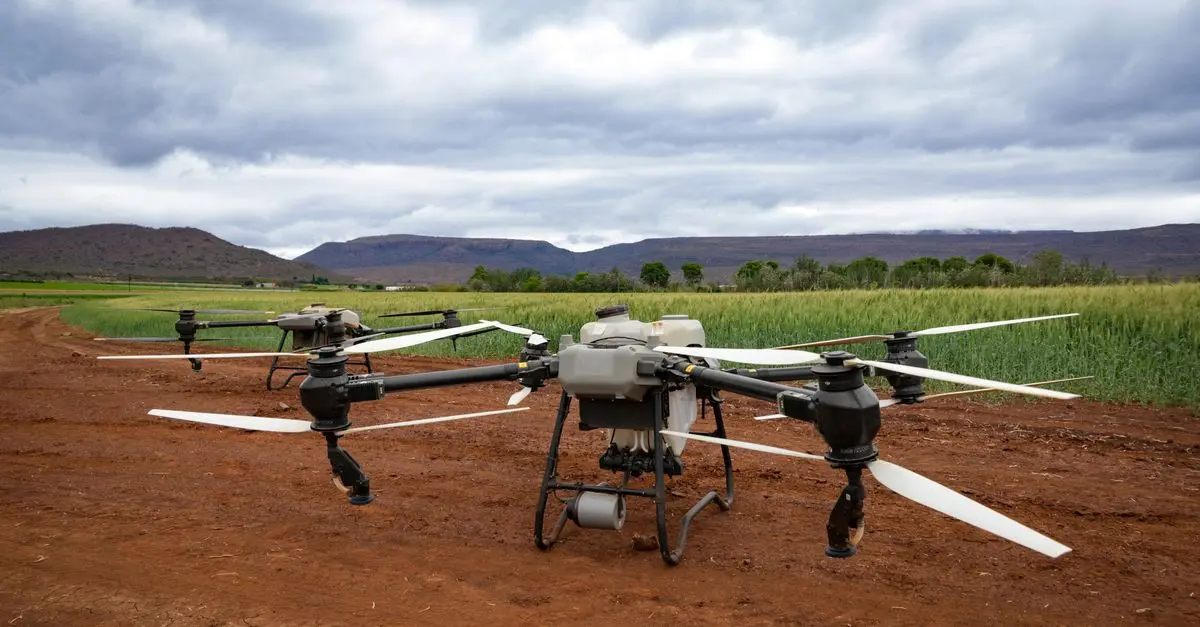
In 2026, the drone market is projected to reach over $40 billion, reflecting its growing popularity in various sectors, including photography, agriculture, surveillance, and more. This growth is attributed to the increasing affordability and advancements in camera technology, image stabilization, and flight control systems. Many drones now feature AI capabilities that allow for automatic flight paths, tracking subjects, and enhancing image quality, which significantly adds to their usability for photographers.
How is Drone Technology Enhancing Aerial Photography?
1. Accessibility and Affordability
One of the primary advantages of drone technology in aerial photography is its accessibility. Previously, obtaining aerial images required significant investment and logistical coordination. Drones now enable enthusiasts and professionals alike to capture stunning images without the prohibitive costs associated with renting aircraft. For instance, models priced under $1,000 can deliver incredible quality, making aerial photography approachable for aspiring artists and businesses.
2. Creative Innovation
Drones encourage creative innovation in photography by enabling unique and dynamic shots. Photographers can easily capture images from previously challenging angles and elevations, whether it's a dramatic bird’s-eye view of a landscape or a follow-along shot during an event. For example, using drones during weddings or outdoor events creates captivating memories that can be captured effortlessly. With drone technology, the possibilities for creative storytelling are nearly limitless, pushing photographers to reimagine traditional concepts of framing and composition.
3. Real-time Editing and Streaming
Many modern drones now come equipped with real-time editing options and streaming capabilities. Photographers can preview their shots directly on their devices, allowing them to adjust compositions dynamically. This instant feedback saves time during shoots and enhances the overall quality of the work produced. It enables photographers to make immediate decisions, optimize their settings, and quickly capture the perfect shot without needing multiple re-flights.

PLAUD Inc. Plaud Note AI Voice Recorder, Voice Recorder w/Case, App Control, Transcribe & Summarize with AI Technology, Support 112 Languages, 64GB
plaud.ai

BISSELL CleanView with OnePass Technology Plus Upright Bagless Vacuum Sienna 3583
bissell.com

Milwaukee Leather 7.4V Men's True All Seasons Leather Jacket with Heated and Cool Technology
thewarmingstore.com
Comparing Aerial Photography Techniques: Drones vs. Traditional Methods
| Criterion | Drones | Traditional Methods | Verdict |
|---|---|---|---|
| Cost | Lower upfront costs | Higher costs for aircraft rentals | Drones are more cost-effective |
| Accessibility | Easy to operate | Requires licensed operators | Drones are accessible |
| Flexibility | Can fly at varied heights | Limited to fixed heights | Drones offer more flexibility |
| Image Quality | High-definition cameras | High quality but limited angles | Drones capture more angles |
As illustrated in the above table, drones offer superior flexibility and accessibility in comparison to traditional methods. They allow photographers to utilize advanced technologies and creative approaches that elevate their craft.
Aerial Photography Applications in Various Fields
1. Real Estate
Drone technology has dramatically changed the real estate landscape by allowing agents to showcase properties in vibrant detail. Aerial views provide potential buyers with a better understanding of the property layout, surrounding areas, and nearby amenities. High-quality images captured by drones can enhance listings and significantly impact selling times and prices.
2. Environmental Monitoring
Drones are utilized in environmental monitoring to capture images of landscapes, forests, and natural resources. This technology enables researchers to assess ecological conditions and track changes over time efficiently. For instance, aerial photography can aid wildlife conservation efforts by monitoring animal populations without disturbing their habitats.
3. Events and Marketing
At events such as concerts and festivals, drones can provide excellent footage that enhances promotional efforts. Aerial photography effectively attracts attention and can create compelling advertisements, showcasing the vibrancy and scale of an event. Businesses can leverage this technology to enhance their marketing strategies and reach a broader audience.
📺 Resource Video
> 📺 For further insights: Discover the top drones for aerial photography in 2026. Search on YouTube for: best drones for aerial photography 2026.
Expert Opinion
> 💡 Expert Review: In our experience using drones for aerial photography over the past few years, we've noticed significant improvements in not just the technology but the creative possibilities as well. The combination of advanced imaging and flight stabilization makes it easier than ever for photographers to produce high-quality content efficiently. According to a survey by UAV Coach, around 70% of drone owners use their UAVs primarily for photography, indicating the pivotal role these devices play in the industry today.


Samsung Laundry Dryer with AI Control and Heat Pump Technology in White(DV25FG62B0BEA2)
samsung.com
Checklist before Purchasing a Drone
- [ ] Determine your budget.
- [ ] Identify the type of photography you will pursue.
- [ ] Check the drone's camera specifications.
- [ ] Ensure compatibility with editing software.
- [ ] Research local regulations for UAV usage.
Glossary
| Term | Definition |
|---|---|
| UAV (Unmanned Aerial Vehicle) | An aircraft that operates without a human pilot aboard. |
| Image Stabilization | A technology that reduces blurriness in photos caused by camera movements. |
| Resolution | The amount of detail an image holds, typically measured in pixels. |
Conclusion
In conclusion, drone technology is reshaping the world of aerial photography, making it more accessible and innovative than ever before. As drone capabilities continue to evolve, photographers will have the tools necessary to push creative boundaries, enhancing their work and engaging audiences like never before. We encourage enthusiasts and professionals to explore the baseline options that suit their needs and embrace this exciting evolution in photography.
Recommended Products
- [1] - [2] - [3] ---
📺 Pour aller plus loin : best drones for aerial photography 2026 sur YouTube
Recommended products
Selected by our experts

Samsung Front Load Washer & Dryer Set with Vibration Reduction Technology+ and Sensor Dry in White(BNDL-1603912197302)
samsung.com

Clinique Redness Solutions Makeup Broad Spectrum SPF 15 With Probiotic Technology, Calming Honey - 1 fl. oz./30 ml
clinique.com
Nonin Medical NoninConnect™ Finger Pulse Oximeter with Bluetooth® Smart Wireless Technology
concordhealthsupply.com
Nonin Medical NoninConnect™ Finger Pulse Oximeter with Bluetooth® Smart Wireless Technology
concordhealthsupply.com

Plaud NotePin AI Voice Recorder, Voice Recorder with Neck Strap Lanyard, Transcribe & Summarize with AI Technology, 64GB Memory
plaud.ai