Table of Contents (11 sections)
Drone technology has become a cornerstone of modern filmmaking, dramatically transforming how professionals capture images and scenes. This evolution is not merely a fad; rather, it signifies a fundamental shift in artistic and technical approaches. In 2026, filmmakers leverage drones to achieve breathtaking visuals that were once challenging, if not impossible, to capture.
What is Drone Technology in Filmmaking?
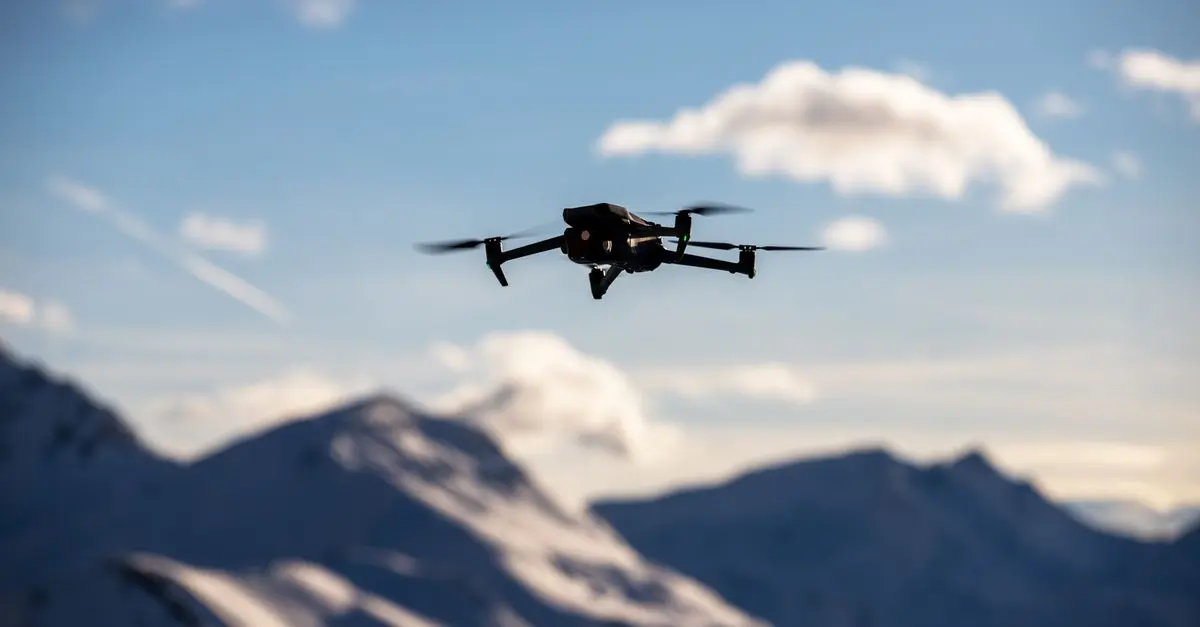
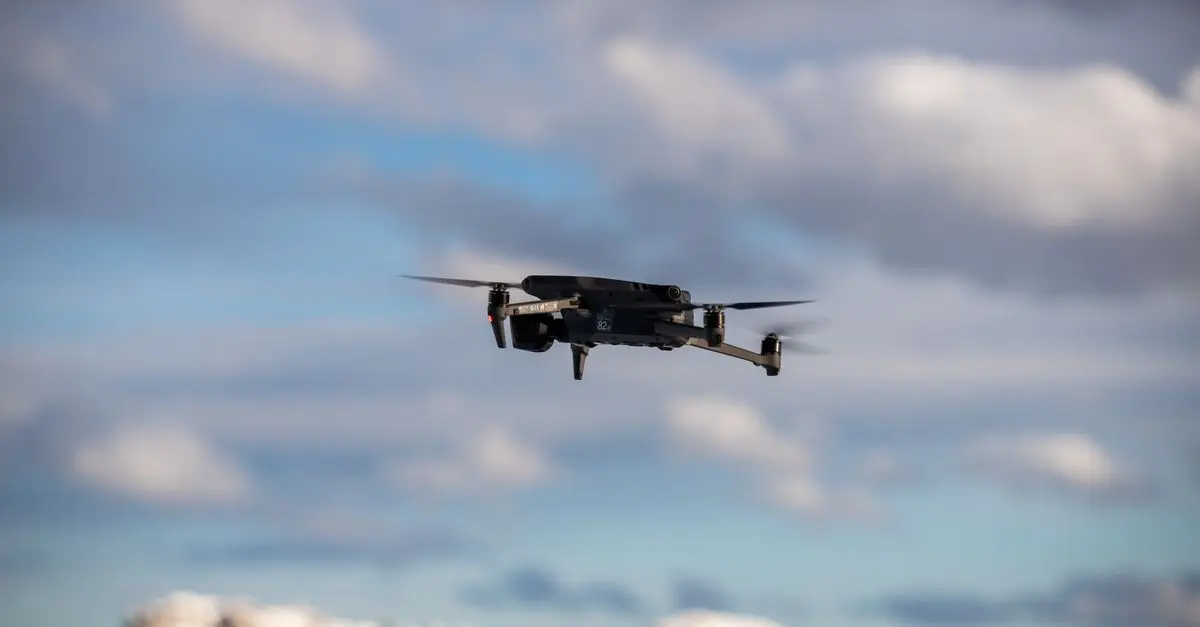
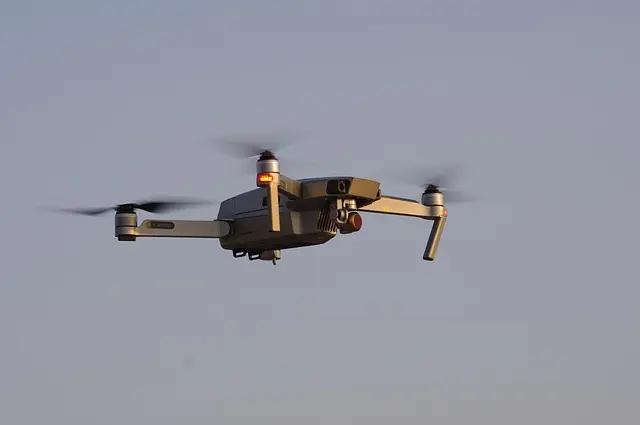
Drone technology refers to the use of unmanned aerial vehicles (UAVs) equipped with cameras and stabilization systems to capture aerial footage and images. Originally designed for military and surveillance applications, drones have since found their way into various creative sectors, including filmmaking. The appeal stems from the unique perspectives they offer, allowing for dynamic cinematography that can elevate any film project.
These devices come with advanced features such as GPS, high-definition cameras, and sophisticated stabilization technology. As a result, filmmakers can execute complex shots with unparalleled precision and creativity. This technology empowers artists, allowing them to capture sweeping landscapes, intricate aerial maneuvers, and even intricate tracking shots of moving subjects without the need for cranes or helicopters.
Step-by-Step Guide to Using Drones in Filmmaking
To integrate drone technology into a film project successfully, filmmakers should follow a methodical approach:
- Research and Familiarize: Learn about local regulations regarding drone usage in your area. Literature from regulatory bodies can provide vital information on safe flying practices.
- Select the Right Drone: Choose a drone that fits your filmmaking needs. Key considerations include camera capability, battery life, and ease of use. A professional-grade drone is typically recommended for commercial projects.
- Plan Your Shots: Identify the scenes where drone shots can elevate the narrative. Detailed planning helps in visualizing the desired footage and minimizes potential risks during filming.
- Test Flights: Before the actual shoot, conduct test flights to familiarize yourself with the drone's handling and camera settings. This will ensure you can effectively manage the drone during intense shooting schedules.
- Shoot Responsibly: Maintain awareness of your surroundings to avoid potential hazards during flights. Ensure safety protocols are in place for both crew and participants.
- Post-Production: Edit the drone footage to seamlessly blend with traditional shots. Utilize software that stabilizes footage and enhances visual quality to produce engaging content.

BISSELL CleanView with OnePass Technology Plus Upright Bagless Vacuum Sienna 3583
bissell.com
Samsung Laundry Dryer with AI Control and Heat Pump Technology in White(DV25FG62B0BEA2)
samsung.com

Comparing Drone Technology Options
When it comes to choosing a drone for filmmaking, various options cater to different needs and budgets. The following table provides a comparative overview of popular drones that filmmakers consider:
| Feature | Option A | Option B | Option C | Verdict |
|---|---|---|---|---|
| Camera Quality | 4K | 4K UHD | 1080p | Options A & B superior |
| Battery Life | 30 mins | 25 mins | 20 mins | Option A is more reliable |
| Price Range | $1,500 | $1,000 | $500 | Options A & B for serious use |
| User-Friendliness | High | Moderate | High | Options A & C best for ease |
Analytical Trends in Drone Filmmaking
The filmmaking landscape in 2026 showcases a significant rise in the adoption of drone technology. According to a report by Forbes, the drone photography market is projected to reach $2.41 billion by 2026, reflecting a compound annual growth rate (CAGR) of 25.7% from 2018. This surge indicates a growing recognition among filmmakers of the advantages that drones offer in improving visual storytelling.
Moreover, surveys conducted among professionals in the industry indicate that approximately 70% of filmmakers now consider aerial shots to be essential for their projects, signifying an industry-wide adoption of drone technology. The increasing capabilities of drones—such as improved stabilization, higher resolution cameras, and longer flight times—continue to fuel this trend, encouraging filmmakers to experiment with aerial footage creatively.
Expert Opinion
> 💡 Expert Opinion: Having worked with numerous filmmakers on various projects, I can firmly say that incorporating drone technology into filming is a game-changer. The ability to create cinematic shots that engage viewers more deeply is unmatched. It allows the audience to experience the narrative from a new vantage point, enhancing emotions and storytelling.
📺 For More Insights:
Explore videos on YouTube that delve into the intricacies of drone usage in filmmaking. Search for phrases like "drone filmmaking techniques" or "how to shoot with a drone" for valuable tutorials and insights.
Q: Are there legal restrictions for drone filming?
A: Yes, regulations vary by location. Always check local laws regarding drone flights, especially for commercial use.
Q: Can I use any drone for filmmaking?
A: While any drone can capture footage, professional-grade models are preferred for their superior camera quality and stability features.
Q: How do I edit drone footage?
A: Use software that supports 4K video and includes stabilization features to enhance the quality of your drone footage.
Q: Is drone filming costly?
A: Initial costs can be high, but the investment can pay off with the right approach and execution.

Milwaukee Leather 7.4V Men's True All Seasons Leather Jacket with Heated and Cool Technology
thewarmingstore.com


Samsung Front Load Washer & Dryer Set with Vibration Reduction Technology+ and Sensor Dry in White(BNDL-1603912197302)
samsung.com
Glossary
| Term | Definition |
|---|---|
| UAV | Unmanned Aerial Vehicle, often referred to as a drone. |
| Stabilization | Technology used to keep camera footage steady during movement. |
| Cinematic | Relating to the motion picture industry, particularly in terms of visual style. |
Checklist before Filming with Drones
- [ ] Research local drone regulations
- [ ] Select appropriate drone for project
- [ ] Create a shot list that includes drone shots
- [ ] Perform test flights before shooting
- [ ] Ensure safety protocols are in place
- [ ] Edit aerial footage to match narrative style
In conclusion, the integration of drone technology in filmmaking is not just a trend; it is a revolution that opens up countless creative avenues. The ability to capture stunning aerial footage enhances storytelling and elevates the quality of visual media. As this technology continues to advance, filmmakers must embrace its potential to keep pace with industry standards.
Recommended Products
- [1] - [2] - [3] ---
📺 Pour aller plus loin : drone filmmaking techniques sur YouTube
Recommended products
Selected by our experts

Clinique Redness Solutions Makeup Broad Spectrum SPF 15 With Probiotic Technology, Calming Honey - 1 fl. oz./30 ml
clinique.com

PLAUD Inc. Plaud Note AI Voice Recorder, Voice Recorder w/Case, App Control, Transcribe & Summarize with AI Technology, Support 112 Languages, 64GB
plaud.ai
Nonin Medical NoninConnect™ Finger Pulse Oximeter with Bluetooth® Smart Wireless Technology
concordhealthsupply.com
Nonin Medical NoninConnect™ Finger Pulse Oximeter with Bluetooth® Smart Wireless Technology
concordhealthsupply.com

Plaud NotePin AI Voice Recorder, Voice Recorder with Neck Strap Lanyard, Transcribe & Summarize with AI Technology, 64GB Memory
plaud.ai