Table of Contents (19 sections)
In recent years, drone technology has made remarkable advancements that significantly affect various sectors, especially public safety. With their ability to reach inaccessible areas quickly and transmit real-time data, drones are becoming indispensable tools for first responders, law enforcement, and search-and-rescue operations. Drones enhance operational efficiency and provide crucial support during emergencies, improving overall public safety measures. This article explores how drone technology is integrated into public safety efforts, the methodologies behind its applications, and the future landscape of this transformative tool.
Understanding Drone Technology in Public Safety
What are Drones?
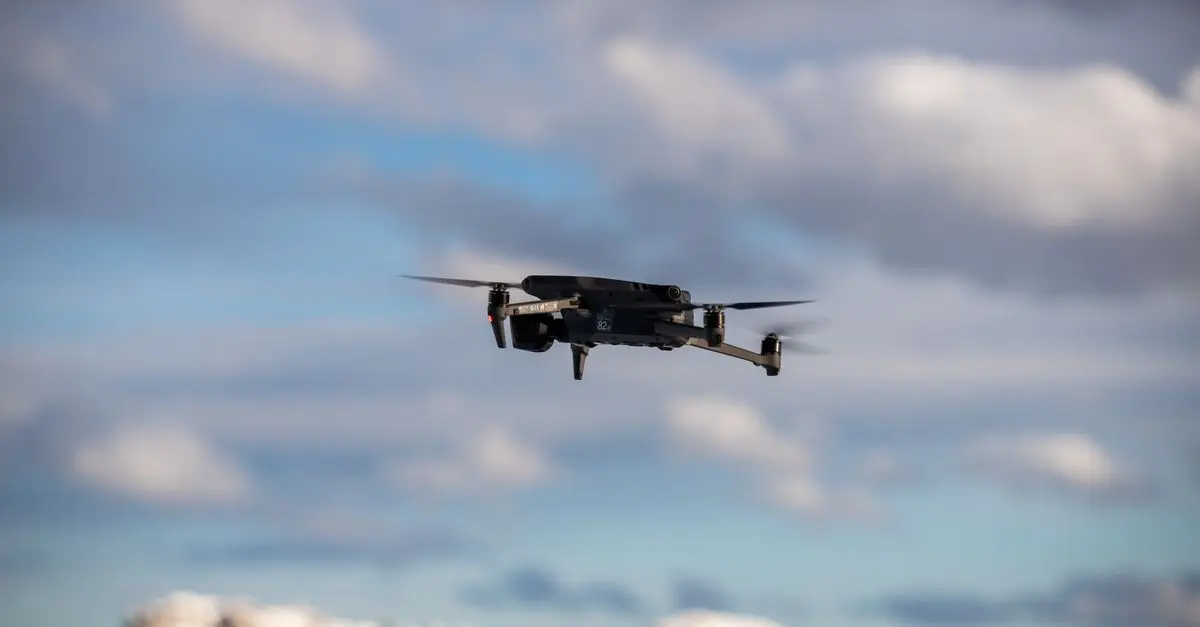
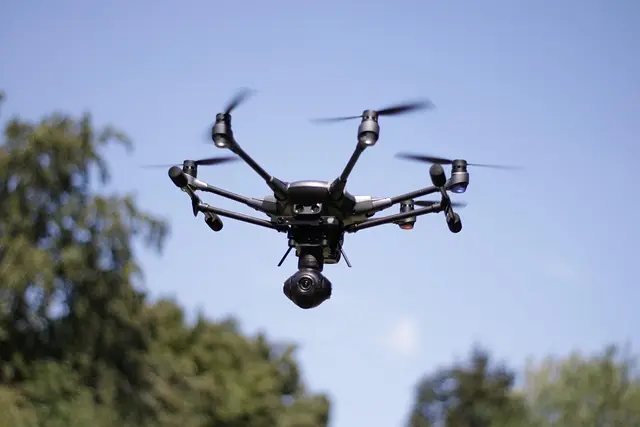
Drones, also known as unmanned aerial vehicles (UAVs), are pilotless aircraft that can be controlled remotely or fly autonomously. They come equipped with various technologies, including cameras, sensors, and sometimes artificial intelligence, allowing them to perform complex tasks in real-time. According to FAA (Federal Aviation Administration), more than 800,000 drones are registered in the United States alone, with growth projected in public safety applications.
Why are Drones Important for Public Safety?
The integration of drones into public safety protocols is not just a luxury; it's becoming essential. Drones can cover vast areas quickly, providing live feeds during emergencies or natural disasters. This capability allows first responders to assess a situation without risking additional lives. For example, during the wildfires in California, drones were employed to locate hotspots and assess damage, which significantly improved the deployment of firefighting resources [Source: Cal Fire].
Implementing Drone Technology: Step-by-Step
How are Drones Used in Public Safety?
- Emergency Response: Drones can be deployed rapidly in emergencies—firefighters and police use drones for aerial surveillance to manage incidents better.
- Search and Rescue Operations: In situations where individuals are missing, drones can cover large tracts of difficult terrain, equipped with thermal imaging to detect body heat.
- Disaster Management: After natural disasters like floods or earthquakes, drones can provide a comprehensive survey of the affected areas. This capability facilitates efficient planning for recovery efforts.
- Traffic Monitoring and Management: Law enforcement agencies utilize drones to monitor traffic patterns, manage congestion, and enforce laws more effectively.
Step-by-Step Integration Process
- Step 1: Identify the areas within public safety that would benefit from drone technology.
- Step 2: Obtain necessary certifications to operate drones within legal frameworks.
- Step 3: Train personnel on drone operations and usage.
- Step 4: Implement drones into established protocols and monitor their effectiveness.

Milwaukee Leather 7.4V Men's True All Seasons Leather Jacket with Heated and Cool Technology
thewarmingstore.com


Drone Technology Comparison: Options for Public Safety
When selecting drones for public safety applications, various options are available, each with pros and cons. Below is a comparative overview:
| Criteria | Option A: Multirotor Drones | Option B: Fixed-Wing Drones | Option C: Hybrid Drones |
|---|---|---|---|
| Flight Time | Short (20-30 minutes) | Long (up to 2 hours) | Balanced (45 minutes to 1 hour) |
| Payload Capacity | Limited (up to 5 lbs) | High (up to 20 lbs) | Moderate (10 lbs) |
| Cost | Moderate ($1,000 - $5,000) | Higher ($5,000 - $15,000) | Varies ($3,000 - $12,000) |
| Usability | Easy for urban areas | Best for surveying large areas | Versatile for various uses |
Analyzing the Impact of Drones on Operational Efficiency
Key Statistics and Trends
Integration of drones into public safety measures has resulted in remarkable efficiency gains. According to a report by Unmanned Aerial Systems (UAS) Association, using drones can improve emergency response times by up to 30%, providing immediate situational awareness that saves lives. For example, public safety organizations that adopt drone technology witness up to a 70% increase in operational efficiency in surveillance and data collection processes.
Moreover, a study published in the Journal of Public Safety Technology highlighted that 56% of first responders reported increased confidence and effectiveness during operations once drones were integrated.
Expert Insights
> 💡 Expert Opinion: According to Dr. Alice Thornton, a public safety analyst, “Drones represent a fundamental shift in how we approach emergency service operations. Their capacity to gather real-time data quickly has changed the landscape of public safety forever.”
Frequently Asked Questions (FAQ)
What are the regulations for using drones in public safety?
Drone usage for public safety is regulated by FAA regulations, requiring operators to obtain specific certifications and adhere to airspace classifications.
How do drones enhance search and rescue operations?
Drones can cover large areas rapidly, locate missing individuals using thermal imaging, and transmit real-time video feeds to search and rescue teams.
Are drones effective in disaster management?
Yes, drones offer invaluable assistance in disaster management, providing a bird's-eye view of affected areas and allowing for effective resource allocation in real-time.
What is the future of drones in public safety?
As technology progresses, drones will likely incorporate AI for predictive analytics, enhancing decision-making processes, situational awareness, and automated responses.
Samsung Laundry Dryer with AI Control and Heat Pump Technology in White(DV25FG62B0BEA2)
samsung.com

Samsung Front Load Washer & Dryer Set with Vibration Reduction Technology+ and Sensor Dry in White(BNDL-1603912197302)
samsung.com

BISSELL CleanView with OnePass Technology Plus Upright Bagless Vacuum Sienna 3583
bissell.com
📺 Resource Video
For more in-depth information regarding drone applications in public safety, search YouTube for: “drone technology public safety 2026.”
Checklist before Implementation
- [ ] Assess the operational needs for drone usage.
- [ ] Train personnel adequately for drone operations.
- [ ] Ensure compliance with local aviation regulations.
- [ ] Consider necessary technology upgrades.
- [ ] Evaluate cost-effectiveness compared to traditional methods.
Glossary
| Term | Definition |
|---|---|
| Unmanned Aerial Vehicle | A type of aircraft that operates without a human pilot onboard. |
| Thermal Imaging | Technology used to detect infrared radiation, revealing heat sources. |
| Situational Awareness | The perception of environmental elements and understanding of their meaning. |
With drone technology progressively entering public safety operations, stakeholders must adopt these innovations while remaining compliant and continuing training for first responders. As efficacy and safety enhance, communities reap significant benefits, ensuring better preparedness for any emergencies. Stay engaged and discover our recommendations below for suitable drone products for public safety applications.
Recommended products
Selected by our experts

Clinique Redness Solutions Makeup Broad Spectrum SPF 15 With Probiotic Technology, Calming Honey - 1 fl. oz./30 ml
clinique.com

PLAUD Inc. Plaud Note AI Voice Recorder, Voice Recorder w/Case, App Control, Transcribe & Summarize with AI Technology, Support 112 Languages, 64GB
plaud.ai
Nonin Medical NoninConnect™ Finger Pulse Oximeter with Bluetooth® Smart Wireless Technology
concordhealthsupply.com
Nonin Medical NoninConnect™ Finger Pulse Oximeter with Bluetooth® Smart Wireless Technology
concordhealthsupply.com

Plaud NotePin AI Voice Recorder, Voice Recorder with Neck Strap Lanyard, Transcribe & Summarize with AI Technology, 64GB Memory
plaud.ai