Table of Contents (10 sections)
In recent years, drone technology has emerged as a pivotal player in promoting sustainability across a multitude of industries. From agriculture to logistics, the integration of drones has not only optimized operations but has also significantly reduced the environmental impact associated with various practices. By leveraging cutting-edge technology, companies are now finding innovative ways to ensure that growth does not come at the cost of our planet's health.
1. The Definition and Context of Drone Technology in Sustainability
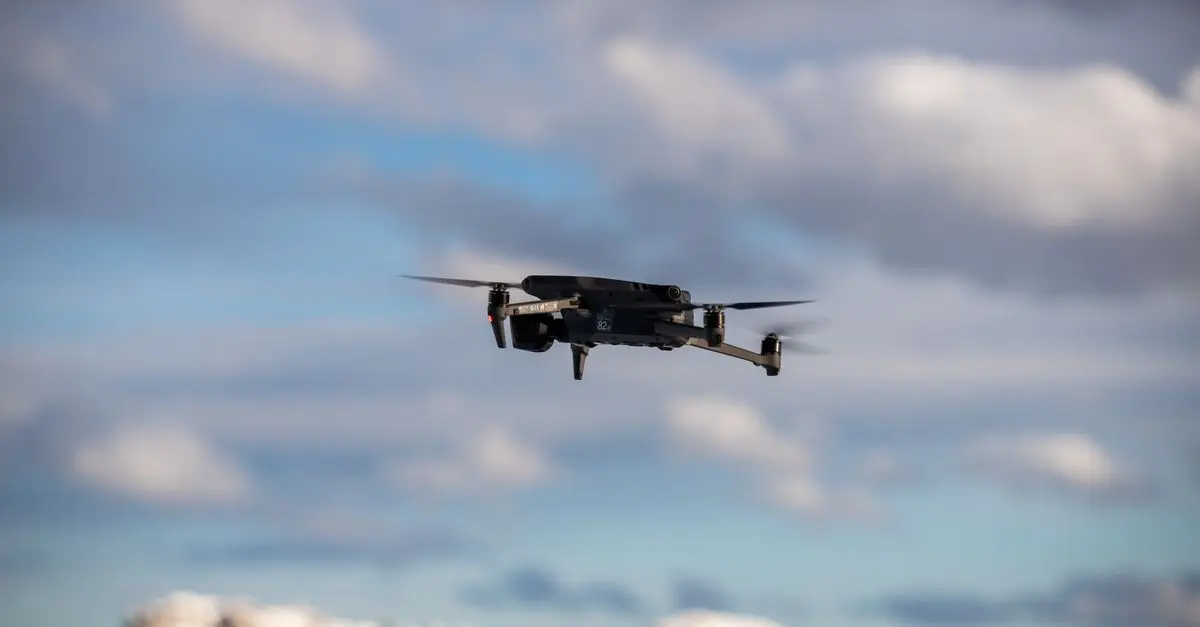
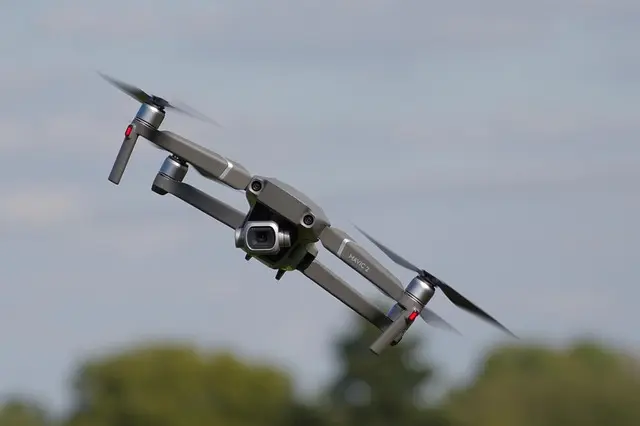
Drone technology, often termed unmanned aerial systems (UAS), involves the use of aircraft without a human pilot on board. These versatile machines are equipped with advanced sensors and cameras that allow for various applications such as aerial photography, surveying, and even environmental monitoring. In the context of sustainability, drones serve as tools for resource management, precision agriculture, and infrastructure inspection, among others.
The integration of drones within industries has seen a sharp rise. According to a report by MarketsandMarkets, the global commercial drone market is projected to reach $12.3 billion by 2026. This growth signifies a keen interest in utilizing drone technology for enhancing operational efficiencies while minimizing adverse environmental impacts. One of the primary advantages of using drones is their ability to collect data and monitor conditions in real-time. This capability is particularly beneficial in sectors such as agriculture, where farmers can assess crop health with greater accuracy, leading to more sustainable farming practices.
2. Drones in Agriculture: Enhancing Efficiency and Reducing Waste
Precision agriculture is perhaps one of the most impactful ways drone technology contributes to sustainability. Drones equipped with multispectral sensors provide farmers with detailed insights into crop conditions, enabling them to make data-driven decisions. For example, a study by Klein et al. (2025) indicated that drone use in monitoring crop health led to a 15% reduction in water usage without sacrificing yield.
Farmers can target specific areas that need water, fertilizer, or pesticides, drastically reducing the excess application that often results in nutrient runoff and water pollution. By minimizing the use of resources, farmers not only cut costs but also contribute to the conservation of essential ecosystems. Additionally, drone technology aids in mapping fields, allowing for better planning and resource allocation, further enhancing sustainability.
3. Drones in Environmental Monitoring: Protecting Natural Resources
Environmental conservation is another area where drones demonstrate extensive utility. Organizations and governments are increasingly using drone technology for environmental monitoring, wildlife tracking, and disaster management. Drones equipped with high-resolution cameras can survey large areas of land, enabling quick assessments for deforestation, pollution, or other environmental hazards.
A practical example includes tracking wildlife populations and movements to help protect endangered species. By monitoring habitats from above, conservationists can spot illegal poaching or habitat encroachments much sooner than traditional methods would allow. Additionally, after natural disasters, drones are pivotal in assessing damage and coordinating recovery efforts without risking human lives. This proactive approach in using drones underscores their capacity to drive sustainable practices in conservation efforts.
4. Comparative Analysis of Drone Applications Across Industries
| Industry | Drone Application | Benefits | Challenges |
|---|---|---|---|
| Agriculture | Crop health monitoring | Reduced resource waste | Initial investment cost |
| Environmental | Wildlife protection | Enhanced surveillance | Regulatory hurdles |
| Logistics | Supply chain monitoring | Improved delivery efficiency | Airspace regulations |
| Construction | Site surveying and inspections | Time-saving in project management | Safety regulations |
5. Drones in Logistics: Optimizing Delivery Systems
The logistics industry has also witnessed transformative changes with the integration of drone technology. Companies like Amazon and UPS are testing drone delivery systems that could revolutionize how goods are transported. This practice not only improves efficiency but also reduces the carbon footprint associated with traditional delivery methods. According to a report by DHL, drone deliveries can potentially cut delivery times by 50% while decreasing costs by up to 75%.
However, regulatory challenges and public safety concerns remain significant hurdles for widespread adoption. As drone technology evolves, successful implementations will depend on navigating regulatory issues and ensuring public acceptance. Drones, therefore, are not just a matter of technological advancement; they are also a significant part of a larger conversation about sustainable logistics and responsible resource consumption.
6. FAQ: Common Questions about Drone Technology and Sustainability
- What are the primary uses of drones in sustainability?
Drones are primarily utilized in agriculture, environmental monitoring, logistics, and construction, facilitating efficient resource management and reducing environmental impacts.
- How do drones help reduce resource waste?
Drones enable precision agriculture by allowing farmers to target specific areas needing attention, which conserves water and reduces excess chemical usage.
- What challenges do companies face when adopting drone technology?
Companies commonly face regulatory hurdles, high initial investment costs, and public safety concerns related to drone operations.
- Are drones environmentally friendly?
Yes, when used correctly, drones can significantly decrease the carbon footprint associated with various operations, optimizing the use of resources effectively.
Glossary
| Term | Definition |
|---|---|
| Precision Agriculture | Farming management that uses technology for optimized crop yields. |
| Unmanned Aerial System | A type of aircraft that operates without a human pilot onboard. |
| Environmental Monitoring | The continuous observation of environmental conditions to assess health and safety criteria. |
Checklist before buying a drone
- [ ] Determine primary use case
- [ ] Research applicable regulations
- [ ] Budget for purchase and maintenance
- [ ] Look for features like obstacle avoidance
- [ ] Consider payload capacity for additional equipment
💡 Expert opinion: Drones represent the frontier of modern technological integration into sustainable practices. The future will likely see even more innovative applications that we can't yet imagine but will fundamentally alter our resource use and conservation strategies.

Milwaukee Leather 7.4V Men's True All Seasons Leather Jacket with Heated and Cool Technology
thewarmingstore.com


📺 Resources Video
For further information, check out the video titled "How Drones are Revolutionizing Agriculture and Environmental Monitoring" on YouTube.
🧠 Quick Quiz: What is one main benefit of using drones in agriculture?
- A) Increased labor costs
- B) Precision crop monitoring
- C) Slower delivery times
Answer: B — Precision crop monitoring allows targeted resource use and enhances sustainability.
In conclusion, as we navigate this intersection of drone technology and sustainability, it is clear that the implications are profound and multi-faceted. Whether through enhancing agricultural practices or monitoring environmental changes, drones are revolutionizing how we interact with our ecosystem and manage resources effectively. As we move forward, embracing this technology could pave the way to a greener future.
📺 Pour aller plus loin : how drones are revolutionizing agriculture and environmental monitoring sur YouTube
Recommended products
Selected by our experts

Clinique Redness Solutions Makeup Broad Spectrum SPF 15 With Probiotic Technology, Calming Honey - 1 fl. oz./30 ml
clinique.com

PLAUD Inc. Plaud Note AI Voice Recorder, Voice Recorder w/Case, App Control, Transcribe & Summarize with AI Technology, Support 112 Languages, 64GB
plaud.ai
Nonin Medical NoninConnect™ Finger Pulse Oximeter with Bluetooth® Smart Wireless Technology
concordhealthsupply.com
Nonin Medical NoninConnect™ Finger Pulse Oximeter with Bluetooth® Smart Wireless Technology
concordhealthsupply.com

Plaud NotePin AI Voice Recorder, Voice Recorder with Neck Strap Lanyard, Transcribe & Summarize with AI Technology, 64GB Memory
plaud.ai