Table of Contents (19 sections)
In recent years, drone technology has emerged as a game-changer in the realm of logistics. By facilitating faster, more efficient delivery solutions, drones are not just a novelty but a reliable tool for companies aiming to streamline supply chains and enhance customer satisfaction. The concept of utilizing aerial vehicles in logistics isn’t merely a futuristic dream—it's a necessary evolution in response to increasing consumer demands for swift and reliable services.
This article examines the intricate ways drone technology is actively reshaping the delivery landscape and the logistics sector at large. From defining drone technology's role in logistics to understanding its broader implications for businesses and consumers, we will provide a comprehensive exploration.
Understanding Drone Technology in Logistics
What are Drones?
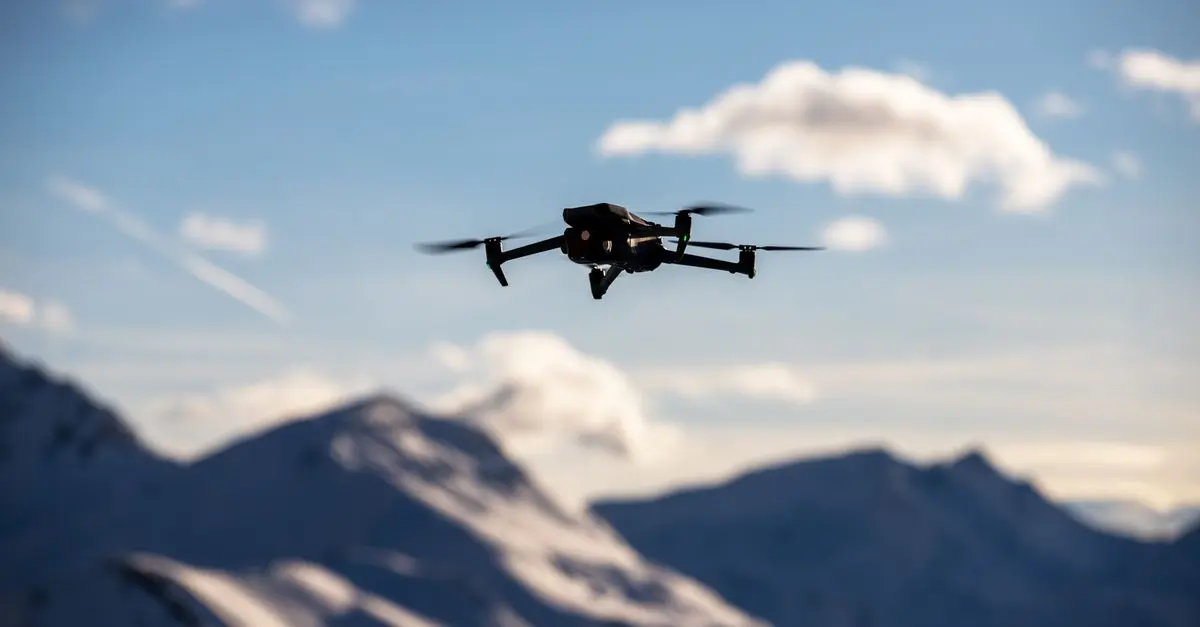
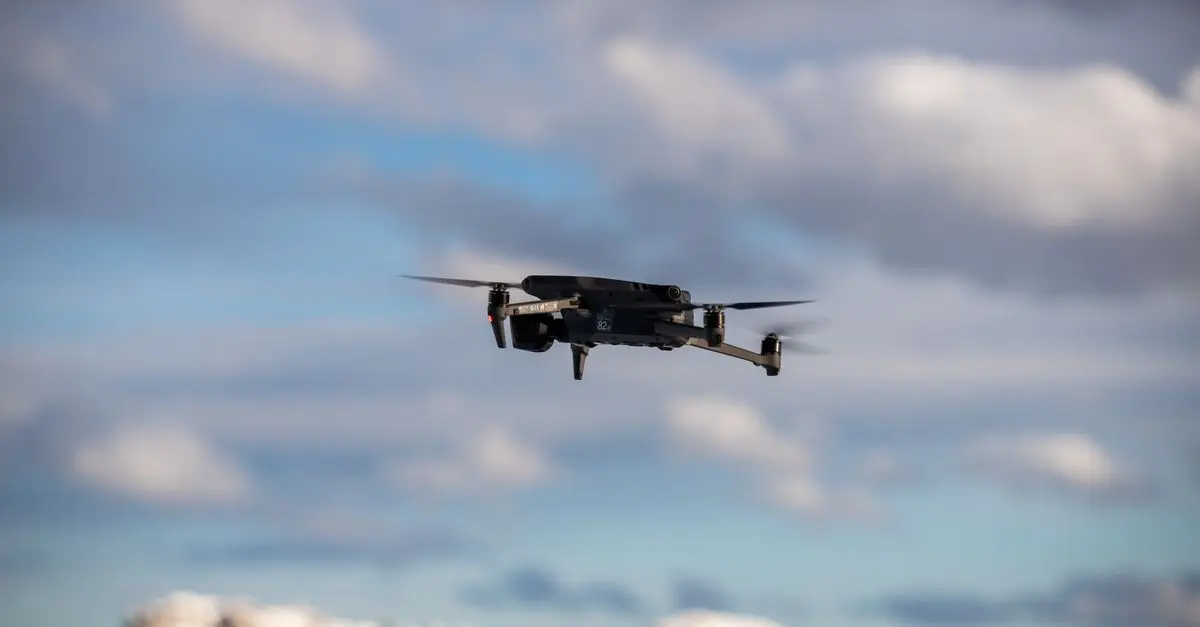
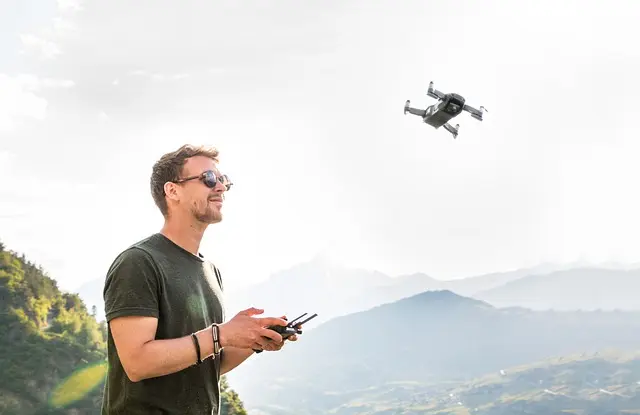
Drones, or Unmanned Aerial Vehicles (UAVs), are aircraft systems that can be operated remotely or autonomously through pre-programmed flight plans. In logistics, drones are primarily utilized for delivery services, transporting goods from distribution centers to consumers with unprecedented speed and efficiency.
The Current Landscape
The logistics industry has seen dramatic growth with e-commerce's rise. According to industry studies, the global logistics market is projected to exceed $12 trillion by 2027. With consumers demanding faster delivery times, drones offer a solution by significantly reducing last-mile delivery costs and times. In urban areas, drones can navigate through traffic and other obstacles, delivering goods directly to consumers' doors within minutes of order placement.
Moreover, initiatives like Amazon Prime Air and Wing, a subsidiary of Alphabet, are already pioneering efforts in drone delivery. These companies are not only testing drones for efficiency but are also exploring regulatory frameworks to ensure safe airspace sharing.
How Drones are Being Implemented in Logistics
Step-by-Step Implementation
Implementing drone technology within logistics operations involves several critical steps. Here’s a simplified process:
- Assessing Needs: Identify delivery pain points within the company and how drones can address them.
- Choosing the Right Technology: Select drones based on payload capacity, range, and required technology for navigation and delivery.
- Adhering to Regulations: Understand and comply with local aviation regulations regarding drone usage, as these can vary significantly.
- Pilot Testing: Conduct pilot tests in controlled environments to evaluate the efficiency and reliability of the drone delivery system.
- Training Staff: Ensure that personnel are trained in operating drones and managing logistics workflows effectively.
- Monitoring and Adaptation: Continuously monitor drone operations to adapt strategies and technology based on performance metrics and feedback.
Through this process, successful companies have shown that drones can drastically reduce costs associated with labor, fuel, and logistical inefficiencies.

Milwaukee Leather 7.4V Men's True All Seasons Leather Jacket with Heated and Cool Technology
thewarmingstore.com


Comparison of Drone Delivery vs. Traditional Delivery
In considering the impact of drone technology logistics, it’s useful to compare it with traditional delivery methods. Below is a concise overview:
| Criteria | Traditional Delivery | Drone Delivery | Verdict |
|---|---|---|---|
| Delivery Speed | 1-3 days (domestic) | 30 mins - 1 hr | Drones outperform traditional methods. |
| Operating Costs | High (fuel, labor, etc.) | Lower (predictable costs, less labor-intensive) | Drones significantly cut down costs. |
| Geographic Limitations | Not feasible in remote areas | Can access hard-to-reach areas | Drones excel in challenging terrains. |
| Environmental Impact | High (fuel emissions) | Much lower (electric options) | Drones are more eco-friendly. |
The Future of Drone Logistics
Data-Driven Trends
Studies indicate that drone logistics could account for nearly 25% of the total parcel deliveries by 2026. As urban populations grow, the demand for fast-paced delivery will continue to increase, further driving the adoption of drone technology. Moreover, innovations in battery life, payload capacity, and navigation technologies (like AI and machine learning) will enhance drone capabilities, making them even more efficient and versatile.
Expert Insight
> 💡 Expert Opinion: According to Logistics Management, drone technology's future hinges on regulatory acceptance and infrastructural readiness. As government agencies and companies collaborate to enhance air traffic management systems for UAVs, we can expect a seamless integration of drones in everyday logistics. This collaborative framework will not only support growth but also ensure safety in operations.
Frequently Asked Questions (FAQ)
Q: How fast can drones deliver packages?
A: Drones can deliver packages in as little as 30 minutes, significantly faster than traditional delivery services.
Q: Are drones safe for delivering packages?
A: Yes, with strict adherence to safety regulations, drones can safely deliver packages while minimizing risks.
Q: What kinds of products can be delivered by drones?
A: Drones can deliver various products, including small parcels, medical supplies, and even food items.
Q: How do drones navigate to their destinations?
A: Drones use GPS and advanced navigation systems to determine their routes and avoid obstacles.
📺 Resource Video
> 📺 To learn more: The Future of Drone Delivery and Logistics, an insightful analysis of how drone technology is set to revolutionize logistics. Search on YouTube: "drone delivery technology 2026".
Samsung Laundry Dryer with AI Control and Heat Pump Technology in White(DV25FG62B0BEA2)
samsung.com

Samsung Front Load Washer & Dryer Set with Vibration Reduction Technology+ and Sensor Dry in White(BNDL-1603912197302)
samsung.com

BISSELL CleanView with OnePass Technology Plus Upright Bagless Vacuum Sienna 3583
bissell.com
Glossary
| Term | Definition |
|---|---|
| Unmanned Aerial Vehicle (UAV) | A vehicle that is operated without a human pilot on board, commonly referred to as a drone. |
| Last-Mile Delivery | The final step of the delivery process from a transportation hub to the customer's destination. |
| Payload Capacity | The maximum weight that a drone can carry for delivery purposes. |
Checklist before Purchase
- [ ] Evaluate your delivery needs.
- [ ] Research drone technology options.
- [ ] Consult local regulations for drone usage.
- [ ] Consider the environmental impact of your choice.
- [ ] Ensure staff training on drone operations.
Conclusion
As we can see, drone technology logistics represents a pivotal shift in how goods are delivered today. Businesses willing to embrace this technological advancement stand to benefit significantly from enhanced efficiency, reduced costs, and improved customer satisfaction. It’s not just about catching up; it’s about leading the charge into a new era of logistics. For anyone serious about logistics innovation, adopting drone technology is no longer optional but essential.
Explore our recommendations below to find products that can support your drone technology journey.
📺 Pour aller plus loin : drone delivery technology 2026 sur YouTube
Recommended products
Selected by our experts

Clinique Redness Solutions Makeup Broad Spectrum SPF 15 With Probiotic Technology, Calming Honey - 1 fl. oz./30 ml
clinique.com

PLAUD Inc. Plaud Note AI Voice Recorder, Voice Recorder w/Case, App Control, Transcribe & Summarize with AI Technology, Support 112 Languages, 64GB
plaud.ai
Nonin Medical NoninConnect™ Finger Pulse Oximeter with Bluetooth® Smart Wireless Technology
concordhealthsupply.com
Nonin Medical NoninConnect™ Finger Pulse Oximeter with Bluetooth® Smart Wireless Technology
concordhealthsupply.com

Plaud NotePin AI Voice Recorder, Voice Recorder with Neck Strap Lanyard, Transcribe & Summarize with AI Technology, 64GB Memory
plaud.ai