Table of Contents (12 sections)
What is Drone Technology in Logistics?
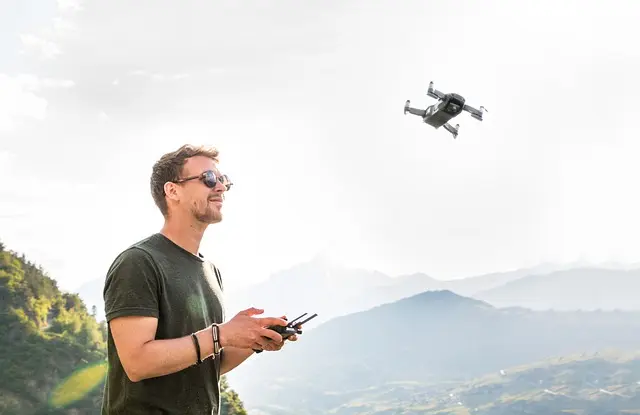
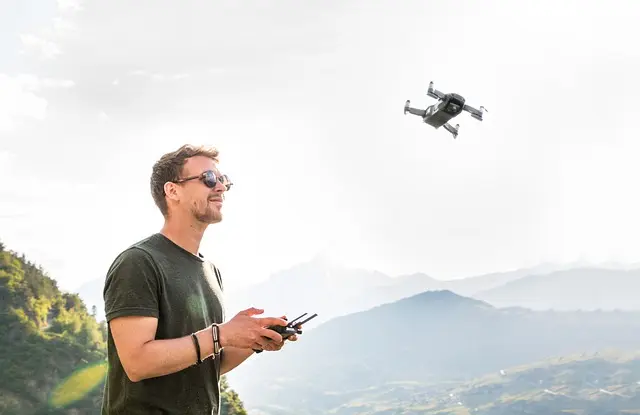
Drone technology in logistics refers to the use of unmanned aerial vehicles (UAVs) to transport goods and packages directly to consumers or businesses. This innovative approach is redefining the efficiency of supply chains and delivery mechanisms. In recent years, companies have begun to pilot drone delivery systems in urban and rural areas, showcasing the technology's ability to navigate around traffic and reach destinations faster than traditional delivery vehicles. According to UFC-Que Choisir, drone delivery can reduce transportation costs by up to 50% in some cases, which significantly enhances profitability for logistics companies.
Moreover, the environmental impact of drone technology cannot be overlooked. Drones typically require less energy than trucks and can reduce emissions when operating at scale. The demand for automation and efficiency in delivery services is driving the implementation of drone technology, particularly in e-commerce sectors. Furthermore, as regulations continue to adapt to this new technology, we can expect to see an increase in drone logistics implementations across various industries.
How Drone Technology Works
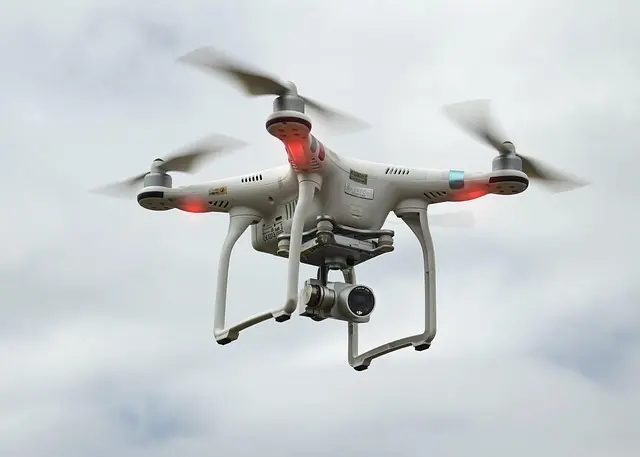
Drone technology operates using a combination of advanced software, sensors, and autonomous capabilities. The typical drone designed for logistics includes GPS for navigation, obstacle detection systems, and cargo holds specifically designed for package transport. When a package is ready for delivery, the drone is deployed either manually or automatically based on pre-established routes.
Step-by-Step Process of Drone Delivery:
- Order Placement: Customers order goods online, and the logistics company prepares the order for dispatch.
- Drone Loading: The package is loaded onto the drone, which is equipped with a tracking device.
- Navigation: Using GPS, the drone navigates towards the destination while avoiding obstacles through onboard sensors.
- Delivery Confirmation: Upon reaching the destination, the drone can either land directly at the individual’s home or release the package using a controlled drop mechanism.
- Feedback Loop: Customers receive notifications about their package status, enhancing the overall user experience.
The technology continues to evolve, with features such as autonomous route optimization allowing drones to adapt their paths in real-time, further improving efficiency. Businesses that leverage this technology can dramatically speed up delivery times, making them more competitive in an increasingly fast-paced market.

Milwaukee Leather 7.4V Men's True All Seasons Leather Jacket with Heated and Cool Technology
thewarmingstore.com


Comparative Overview: Drones vs. Traditional Delivery
To truly grasp the revolutionary impact of drone technology in logistics, a comparative analysis with traditional delivery methods is essential.
| Criteria | Drones | Traditional Delivery | Verdict |
|---|---|---|---|
| Delivery Speed | Up to 30 minutes | 1-3 days | Drones provide superior speed. |
| Cost Efficiency | Up to 50% less | Variable, often higher due to fuel and labor costs | Drones are more cost-effective. |
| Environmental Impact | Lower emissions | Higher CO2 emissions | Drones are more eco-friendly. |
| Accessibility | Overcomes logistic barriers | Limited to road networks | Drones enhance accessibility. |
Analytics and Trends in Drone Logistics
With the continued advancement of drone technology, analytics and trends are emerging that reveal potential ROI for companies adopting this technology. According to a study conducted by Les Numériques, the use of drones in logistics is expected to grow by 30% in the next five years, reflecting a growing trust in this innovative mode of delivery.
Key Statistics:
- E-commerce Growth: The rise in online shopping has intensified the demand for faster delivery options, of which drones are a natural fit.
- Cost Reduction: Logistics companies utilizing drones have reported a 25% reduction in last-mile delivery expenses.
- Market Projections: The global drone logistics market is forecasted to reach $29 billion by 2028, demonstrating a robust trend that investors and stakeholders are paying attention to.
These trends highlight how drone technology logistics can not only streamline operations but also promote sustainable practices that enhance brand reputation and customer loyalty.
Expert Insights on Drone Adoption
> 💡 Expert Opinion: Experts predict that companies not leveraging drone technology within the next decade risk being left behind in the competitive logistics landscape. According to industry analysts, integrating innovation is crucial for maintaining market position. Organizations should consider pilot programs to test the feasibility of drone delivery in their operational flows, as tested solutions often yield the most successful deployments.
Focusing on training and developing knowledge around drone regulations and operational necessities will be key factors in overcoming implementation hurdles and ensuring compliance with aviation laws. The adoption of drones is expected to reshape the logistics field fundamentally, offering opportunities for efficiency.
- What types of goods can be delivered by drones?
Drones primarily deliver lightweight packages, medical supplies, and food, though companies are exploring ways to enhance payload capabilities.
- Are there regulations for drone deliveries?
Yes, each country has its own regulations for drone operation, including weight limits and airspace restrictions that must be adhered to.
- How are drones monitored during delivery?
Drones are equipped with GPS tracking and remote control options to ensure safety and adherence to flight paths.
- What are the benefits of using drones for logistics?
Main benefits include reduced delivery times, lower costs, and the ability to reach areas that traditional vehicles cannot.
Glossary
| Terme | Définition |
|---|---|
| UAV (Unmanned Aerial Vehicle) | A type of aircraft that operates without a human pilot on board, commonly known as a drone. |
| Last-Mile Delivery | The final step in the delivery process from a transportation hub to the final delivery point. |
| Payload Capacity | The maximum cargo weight that a drone can carry effectively during a flight. |
Samsung Laundry Dryer with AI Control and Heat Pump Technology in White(DV25FG62B0BEA2)
samsung.com

Samsung Front Load Washer & Dryer Set with Vibration Reduction Technology+ and Sensor Dry in White(BNDL-1603912197302)
samsung.com

BISSELL CleanView with OnePass Technology Plus Upright Bagless Vacuum Sienna 3583
bissell.com
Checklist Before Choosing Drone Solutions
- [ ] Assess compliance with regional regulations.
- [ ] Evaluate the cost-effectiveness of drone delivery versus traditional methods.
- [ ] Determine the types of goods suitable for drone delivery.
- [ ] Review infrastructure needs for launching and landing drones.
- [ ] Explore partnerships with technology providers for integration.
📺 Resource Video
> 📺 To go further: Explaining the Future of Drone Logistics, a detailed exploration of this advancing technology. Search on YouTube: "drone logistics advancements 2026".
📺 Pour aller plus loin : drone logistics advancements 2026 sur YouTube
Recommended products
Selected by our experts

Clinique Redness Solutions Makeup Broad Spectrum SPF 15 With Probiotic Technology, Calming Honey - 1 fl. oz./30 ml
clinique.com

PLAUD Inc. Plaud Note AI Voice Recorder, Voice Recorder w/Case, App Control, Transcribe & Summarize with AI Technology, Support 112 Languages, 64GB
plaud.ai
Nonin Medical NoninConnect™ Finger Pulse Oximeter with Bluetooth® Smart Wireless Technology
concordhealthsupply.com
Nonin Medical NoninConnect™ Finger Pulse Oximeter with Bluetooth® Smart Wireless Technology
concordhealthsupply.com

Plaud NotePin AI Voice Recorder, Voice Recorder with Neck Strap Lanyard, Transcribe & Summarize with AI Technology, 64GB Memory
plaud.ai