Table of Contents (14 sections)
As cities around the world evolve, the integration of drone technology into urban infrastructure has emerged as a powerful tool in the development of smart cities. This shift is driven by the need for more efficient urban management, enhanced public safety, and improved quality of life. Drones are playing a pivotal role in transforming urban environments, offering innovative solutions to a variety of challenges faced by metropolitan areas.
What is Drone Technology?
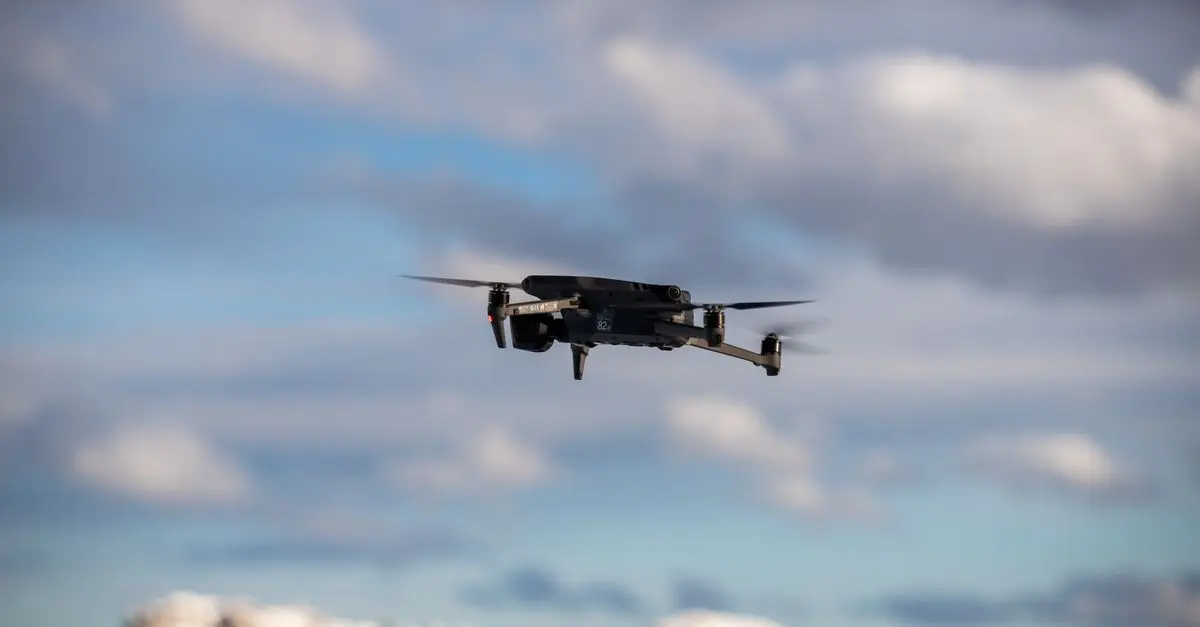
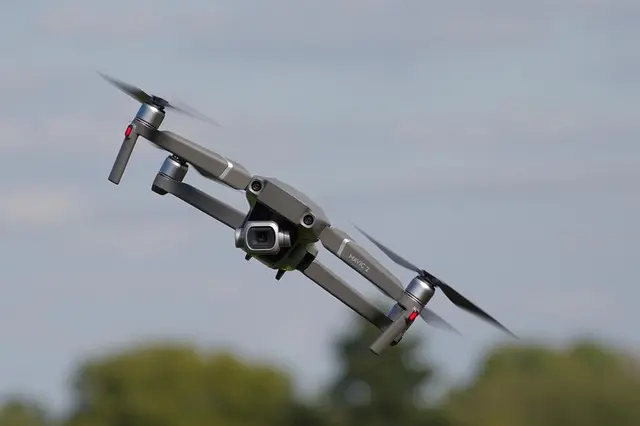
Drone technology refers to the use of unmanned aerial vehicles (UAVs) that can be operated remotely or autonomously. These versatile machines are equipped with various sensors, cameras, and communication tools, making them invaluable in various fields, including logistics, agriculture, surveillance, and more. In the context of smart cities, drones facilitate collecting and analyzing data, monitoring urban infrastructure, and delivering essential services.
With the advancements in AI and machine learning, drones are becoming smarter, enabling real-time decision-making and automated processes. For instance, drones can autonomously navigate complex urban environments, avoiding obstacles and efficiently mapping out delivery routes. New regulations and improved battery technologies have also made drones more accessible for commercial and governmental use, allowing cities to experiment with and implement their possibilities.
How Are Drones Used in Smart Cities?
Drones are increasingly being integrated into various aspects of smart city management:
- Traffic Management: Drones equipped with cameras can monitor traffic patterns and provide real-time data to management systems, helping to minimize congestion by adjusting traffic signals accordingly. For example, the city of Los Angeles utilizes drones and AI to oversee traffic flow and optimize routes for emergency vehicles.
- Urban Planning: Aerial surveys conducted by drones offer planners comprehensive data for designing infrastructure that meets the needs of the community. This technology can facilitate better land-use planning and ensure that public services match population trends.
- Public Safety and Emergency Response: In emergencies, drones can provide instant aerial assessments, allowing first responders to evaluate situations without putting personnel at risk. For instance, during natural disasters, drones can be deployed to assess damage and coordinate rescue efforts efficiently.
- Environmental Monitoring: Drones are instrumental in monitoring urban environments for pollution levels, wildlife habitats, and disaster impact. They provide high-resolution imagery and data that are crucial for developing sustainable urban strategies.

Milwaukee Leather 7.4V Men's True All Seasons Leather Jacket with Heated and Cool Technology
thewarmingstore.com


Comparative Analysis of Drone vs. Traditional Methods
To illustrate the advantages of drone technology in smart cities, we've created a comparative table:
| Criteria | Drones | Traditional Methods | Verdict |
|---|---|---|---|
| Cost Efficiency | Lower operational costs over time | Higher labor and equipment costs | Drones win |
| Speed of Deployment | Rapid deployment with minimal setup | Slower, require significant planning | Drones win |
| Data Accuracy | High precision and real-time data | Potential delays in data collection | Drones win |
| Risk Factor | Low risk for personnel | Higher risk involved | Drones win |
Statistical Trends and Data Impact
According to industry reports, the global drone market is expected to surpass $43 billion by 2024, driven largely by the demand in sectors pertinent to smart city initiatives. The Federal Aviation Administration (FAA) anticipates that by 2030, drones will handle over 7.7 billion deliveries annually, which could significantly impact logistics and delivery systems within smart cities. Drones have been reported to improve emergency response times by up to 30%, showcasing their potential impact on urban safety and efficiency.
Moreover, as cities strive towards becoming more sustainable, drones are positioned to monitor environmental changes and help implement green initiatives effectively.
💡 Expert Insight: Drones are not just tools but essential components of a modern urban ecosystem. Their integration into smart cities fosters innovation and significantly enhances administrative efficiency. Stakeholders must advocate for regulations that support safe drone operations to maximize these benefits.
Frequently Asked Questions
Q1: What are the main benefits of using drones in smart cities?
A1: The main benefits include enhanced data collection, improved emergency response, cost efficiencies, and real-time monitoring, contributing to better urban management.
Q2: Are there any legal restrictions on drone use in urban areas?
A2: Yes, drone operations are subject to regulations set by aviation authorities, which may include restrictions on altitude, areas of operation, and operator licensing requirements.
Q3: How do drones enhance public safety in urban environments?
A3: Drones can quickly assess dangerous situations and provide real-time information to authorities, enabling faster and more informed emergency responses.
Q4: Can drones be used for delivering goods in smart cities?
A4: Yes, many cities are adopting drones for delivering packages, medical supplies, and other goods, which can reduce traffic congestion and improve delivery times.
Checklist before Implementation
- [ ] Understand local drone regulations
- [ ] Evaluate infrastructure needs for drone operations
- [ ] Assess data management systems for analysis
- [ ] Plan training sessions for personnel
- [ ] Engage with local communities for feedback
Samsung Laundry Dryer with AI Control and Heat Pump Technology in White(DV25FG62B0BEA2)
samsung.com

Samsung Front Load Washer & Dryer Set with Vibration Reduction Technology+ and Sensor Dry in White(BNDL-1603912197302)
samsung.com

BISSELL CleanView with OnePass Technology Plus Upright Bagless Vacuum Sienna 3583
bissell.com
📺 Video Resource
> 📺 To learn more: Explore the future of drones in urban settings, check out detailed analyses and insights on YouTube by searching: "drone technology in smart cities 2026".
Glossary
| Term | Definition |
|---|---|
| UAV (Unmanned Aerial Vehicle) | A flying device operated without a human pilot on board. |
| Smart City | An urban area that uses different types of electronic data collection sensors to manage assets and resources efficiently. |
| AI (Artificial Intelligence) | Simulation of human intelligence processes by machines, especially computer systems. |
Conclusion
The advent of drone technology marks a significant milestone in the quest for smarter cities. As cities continue to evolve, the role of drones will undoubtedly expand, paving the way for innovative urban solutions that will not only enhance efficiency but also enrich the lives of inhabitants. Explore our recommended products to better understand the tools available to further enhance urban innovation.
📺 Pour aller plus loin : drone technology in smart cities 2026 sur YouTube
Recommended products
Selected by our experts

Clinique Redness Solutions Makeup Broad Spectrum SPF 15 With Probiotic Technology, Calming Honey - 1 fl. oz./30 ml
clinique.com

PLAUD Inc. Plaud Note AI Voice Recorder, Voice Recorder w/Case, App Control, Transcribe & Summarize with AI Technology, Support 112 Languages, 64GB
plaud.ai
Nonin Medical NoninConnect™ Finger Pulse Oximeter with Bluetooth® Smart Wireless Technology
concordhealthsupply.com
Nonin Medical NoninConnect™ Finger Pulse Oximeter with Bluetooth® Smart Wireless Technology
concordhealthsupply.com

Plaud NotePin AI Voice Recorder, Voice Recorder with Neck Strap Lanyard, Transcribe & Summarize with AI Technology, 64GB Memory
plaud.ai