Table of Contents (19 sections)
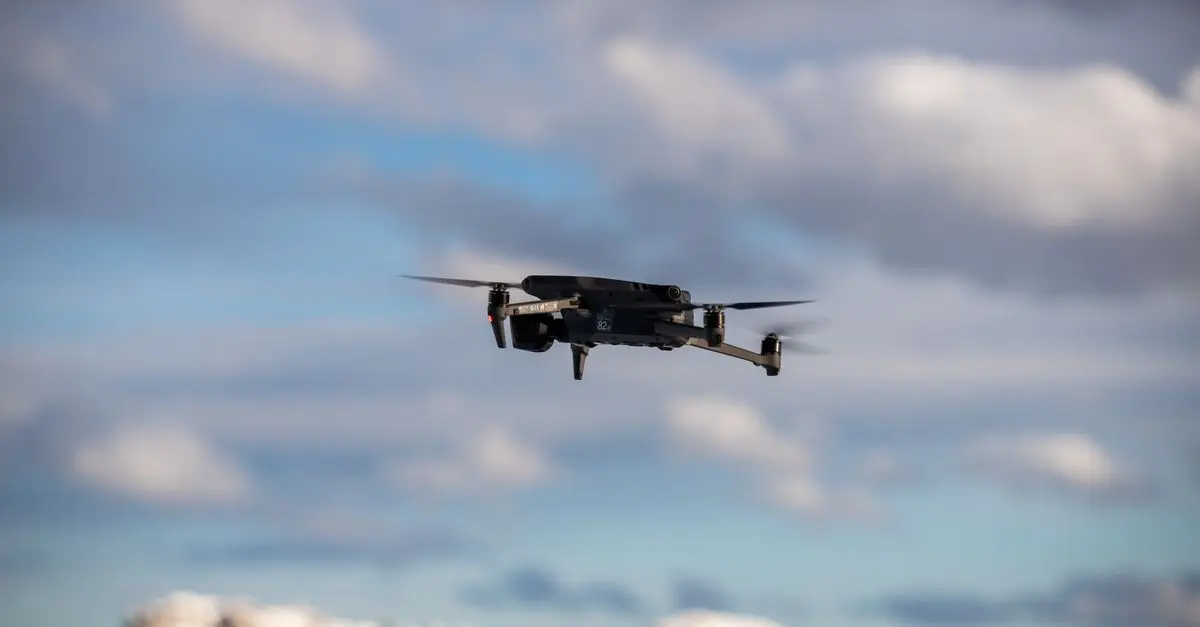
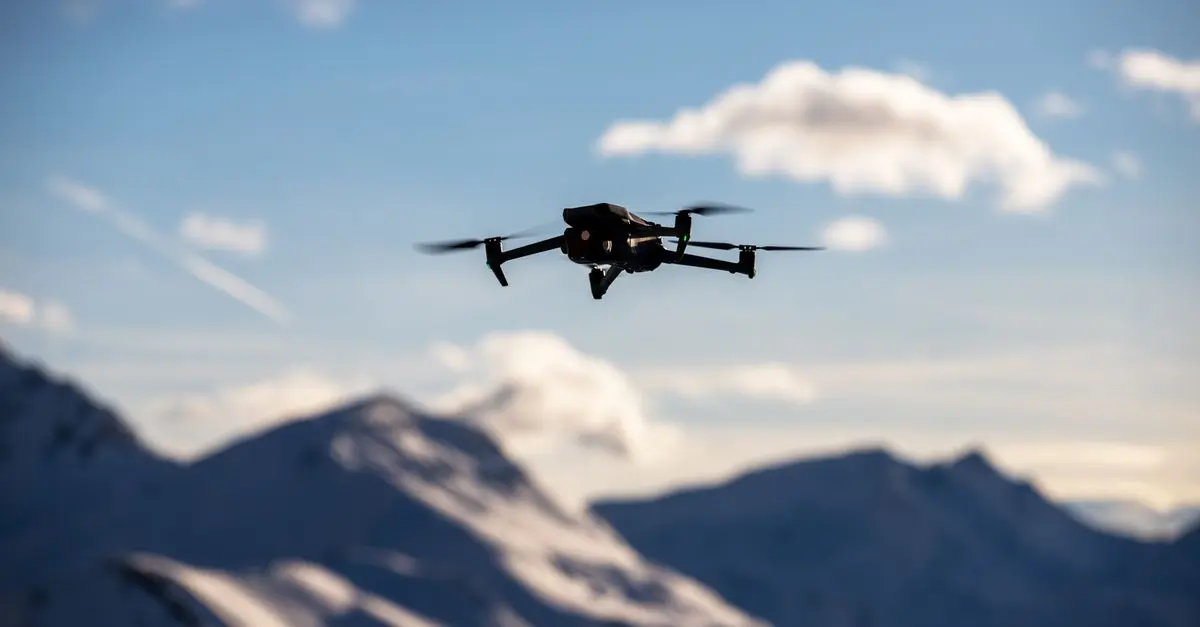
In recent years, advancements in AI in drone technology have sparked a revolution that reshapes industries worldwide. Drones equipped with artificial intelligence are not merely flying machines; they are complex systems capable of performing intricate tasks autonomously. This profound evolution in capabilities is changing how businesses operate, how data is collected, and even how we respond to emergencies.
What is AI in Drone Technology?
Defining AI Integration
AI in drone technology refers to the integration of artificial intelligence systems within drones, enabling these devices to process information and make decisions in real-time. Unlike traditional drones that rely heavily on pre-set programming, AI-driven drones can analyze their surroundings, adapt to changing conditions, and optimize their operations. For instance, AI algorithms allow drones to recognize patterns in data, navigate complex environments, and collaborate with other drones or systems. This shift is pivotal as it transforms drones from simply being remote-controlled devices into intelligent autonomous systems capable of performing sophisticated tasks.
The Importance of AI in Drones
Why is AI integration so crucial? The application of artificial intelligence in drones significantly enhances their efficiency and utility. For example, in agriculture, drones can autonomously analyze crop health by identifying signs of disease or nutrient deficiency through image recognition. In urban planning, they can gather data on traffic patterns, providing insights that inform infrastructure development. The applications are vast and span from construction to logistics, where AI-enabled drones can efficiently manage deliveries, optimizing routes and reducing emissions.
Procedure: How AI Enhances Drone Operations
Step-by-Step Implementation of AI in Drones
- Data Collection: Drones equipped with high-resolution cameras and sensors collect vast amounts of data.
- Real-Time Processing: AI algorithms process collected data in real-time, allowing drones to identify patterns or anomalies without human intervention.
- Decision Making: Based on processed data, drones can make autonomous decisions, whether it's rerouting to avoid obstacles or monitoring an area for specific activity.
- Feedback Loop: Continuous learning is integral; AI systems use previous flight data to improve future performance continuously.
Benefits of a Procedural Approach
The procedural enhancement through AI significantly reduces human error, increases operational speed, and provides detailed analytical insights in various sectors. For instance, during disaster response scenarios, drones can quickly survey affected areas, relaying critical information to emergency crews, which optimizes response times and resource allocation.


Milwaukee Leather 7.4V Men's True All Seasons Leather Jacket with Heated and Cool Technology
thewarmingstore.com
Comparing Conventional Drones to AI-Enabled Drones
| Features | Conventional Drones | AI-Enabled Drones | Verdict |
|---|---|---|---|
| Autonomy | Limited | High | AI drones outperform here |
| Data Processing Capability | Basic | Advanced | AI offers better insights |
| Decision-Making Speed | Slow (manual control) | Instant | AI ensures quicker actions |
| Learning Adaptability | Static | Adaptive | AI continuously improves |
The insights generated from the comparison demonstrate the clear superiority of AI-enabled drones in terms of performance, adaptability, and efficiency.
Analytical Insights: Statistics and Trends
Market Growth and Projections
According to a report by ResearchAndMarkets.com, the drone market is expected to grow exponentially, with a projected compound annual growth rate (CAGR) of 20.5% from 2023 to 2030. This growth is largely fueled by advancements in AI technology, with industries recognizing the vast potential of integrating intelligent systems into drones. A survey conducted by Accenture found that 80% of companies employing drone technology noted improved operational efficiency, underlining the efficacy of AI integration.
Future Trends in AI Drone Applications
The future holds promising trends such as enhanced machine learning models that improve object detection capabilities and more intuitive data analysis tools. Additionally, the rise of swarming technology—where multiple drones work collaboratively—exemplifies how AI continues to redefine operational capabilities.
FAQ: Common Questions about AI in Drone Technology
Q1: How does AI improve drone safety?
A1: AI enhances drone safety by enabling real-time decision-making that can avoid obstacles and adapt to changing environments, thus reducing the risk of accidents.
Q2: Can AI drones operate in adverse weather conditions?
A2: Typically, AI drones equipped with appropriate sensors can navigate in challenging conditions; however, performance depends on the specific technology and design features of the drone.
Q3: What industries benefit from AI in drone technology?
A3: Industries such as agriculture, construction, logistics, and emergency response have seen significant advantages from integrating AI into their drone operations.
Q4: Are there privacy concerns with AI drones?
A4: Yes, as drones collect data, privacy concerns arise regarding surveillance and data usage. It's imperative for regulations to keep pace with technological advancements to address these issues adequately.
Glossary
| Term | Definition |
|---|---|
| Autonomous Drones | Drones that operate without human control, utilizing AI to navigate and make decisions. |
| Machine Learning | A subset of AI that allows systems to learn from data and improve over time without direct programming. |
| Swarming Technology | A method where multiple drones collaborate simultaneously to perform tasks more efficiently. |

Samsung Laundry Dryer with AI Control and Heat Pump Technology in White(DV25FG62B0BEA2)
samsung.com

Samsung Front Load Washer & Dryer Set with Vibration Reduction Technology+ and Sensor Dry in White(BNDL-1603912197302)
samsung.com
Checklist before Purchase
- [ ] Assess the drone's AI features.
- [ ] Determine the specific application needs.
- [ ] Check for compatibility with existing systems.
- [ ] Verify safety and regulatory compliance.
- [ ] Consider the learning curve for operation.
Conclusion
The integration of AI in drone technology is not just a trend; it's a necessity for enhancing operational efficiencies across various sectors. The continual evolution of AI capabilities offers unprecedented opportunities. As we move forward, understanding and leveraging these technologies will be key to staying competitive. Explore our product recommendations below to find the right drone solutions for your needs.
📺 For further insights: Explore the transformative power of AI in drone technology, a detailed analysis of applications and developments. Search on YouTube: "AI drones technology 2026".
📺 Pour aller plus loin : China's Top 8 AI Military Drones in 2026 – #1 Changes Everything (Drone Mothership Revealed!) sur YouTube
Recommended products
Selected by our experts

BISSELL CleanView with OnePass Technology Plus Upright Bagless Vacuum Sienna 3583
bissell.com

Clinique Redness Solutions Makeup Broad Spectrum SPF 15 With Probiotic Technology, Calming Honey - 1 fl. oz./30 ml
clinique.com

PLAUD Inc. Plaud Note AI Voice Recorder, Voice Recorder w/Case, App Control, Transcribe & Summarize with AI Technology, Support 112 Languages, 64GB
plaud.ai
Nonin Medical NoninConnect™ Finger Pulse Oximeter with Bluetooth® Smart Wireless Technology
concordhealthsupply.com
Nonin Medical NoninConnect™ Finger Pulse Oximeter with Bluetooth® Smart Wireless Technology
concordhealthsupply.com