Table of Contents (14 sections)
What is AI in Drone Technology?
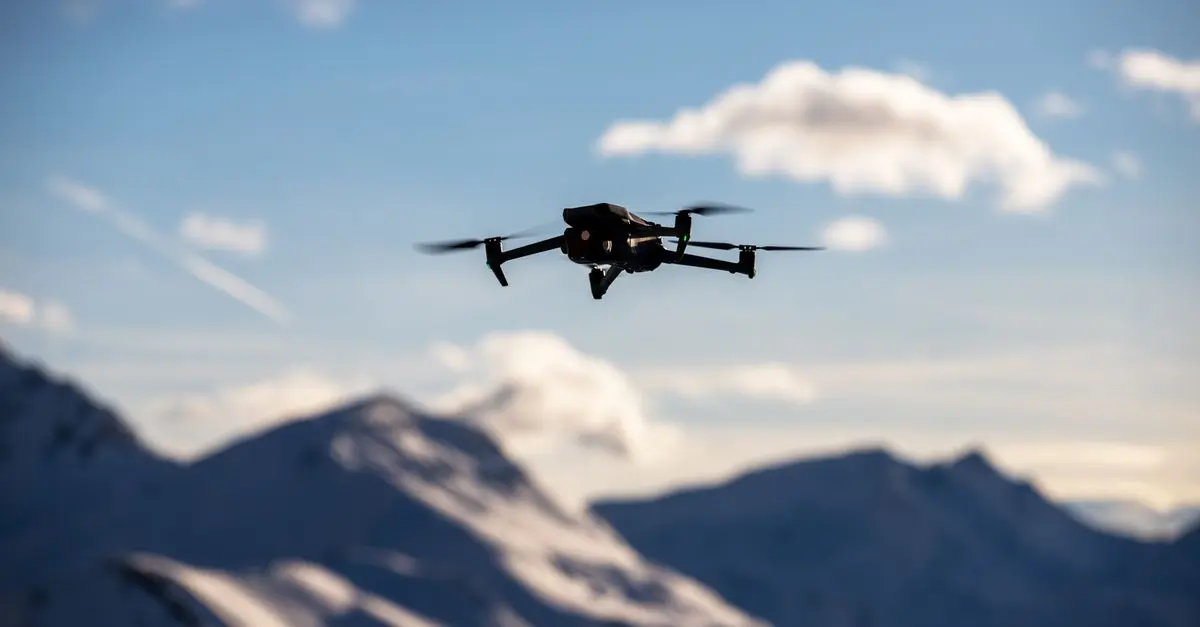
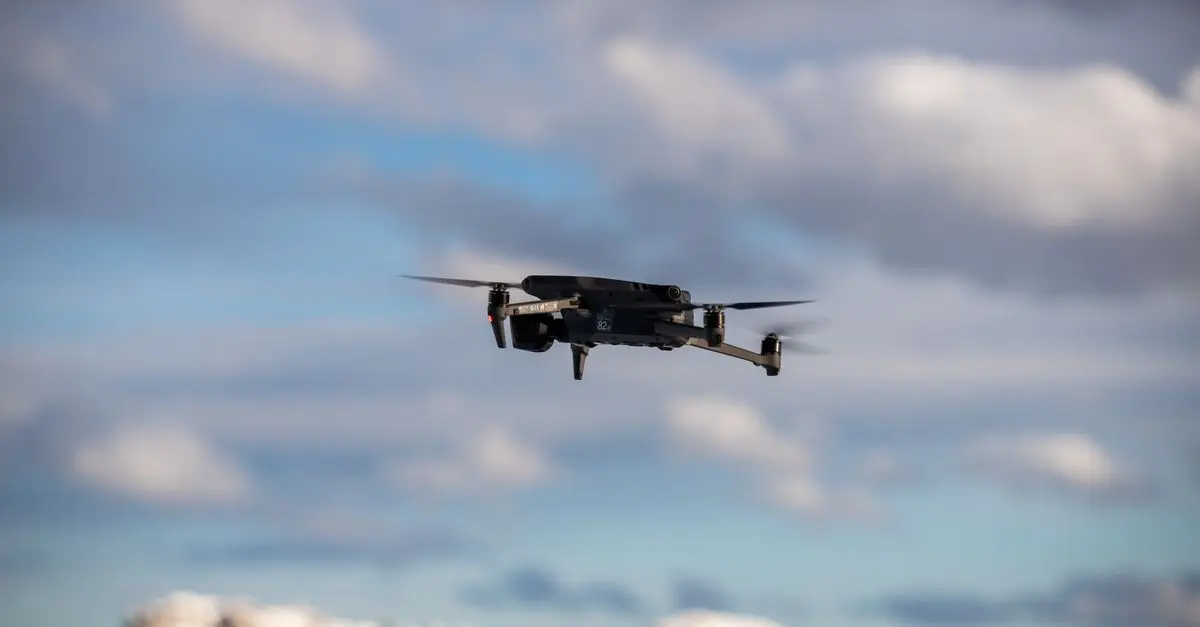
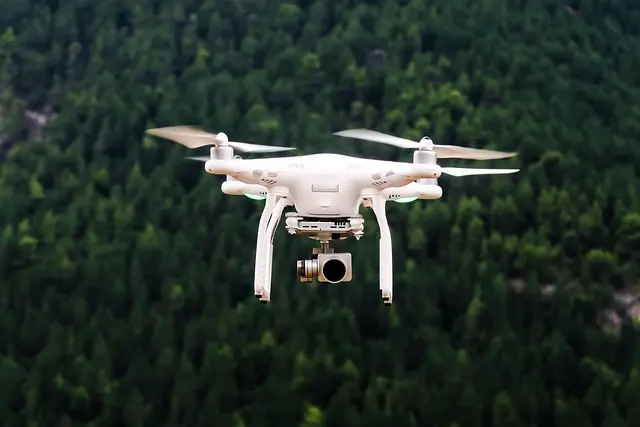
Artificial Intelligence (AI) in drone technology refers to the integration of machine learning algorithms and computer vision that enhances the operational capabilities of unmanned aerial vehicles (UAVs). This technology allows drones to perform sophisticated tasks autonomously, collecting and analyzing data in real-time. The application of AI in this sector has surged over the past few years, especially in industries such as agriculture, surveillance, and logistics.
Context and Importance
In today’s fast-paced environment, the demand for drones equipped with AI technology is on the rise. According to a report from Statista, the global drone service market is projected to reach $63.6 billion by 2026. The enhancement of drone functionalities through AI not only improves efficiency but also expands their applications, ultimately providing businesses with a competitive edge.
How AI Enhances Drone Functionality
AI enhances drones in various ways, including navigation, obstacle avoidance, and data processing. For instance, AI-powered drones can utilize computer vision for real-time image recognition and analysis, enabling them to navigate and operate effectively in complex environments.
Key Enhancements
- Navigation and Path Planning: Drones can autonomously adjust their flight paths based on environmental data. This feature is particularly useful in disaster response scenarios where traditional navigation systems may fail.
- Obstacle Detection: Advanced sensors and algorithms allow drones to detect and avoid obstacles during flight, significantly reducing the risk of collision. For example, the use of LiDAR in AI drones offers real-time mapping capabilities.
- Data Collection and Analysis: Drones equipped with AI can analyze data on the go, making them invaluable for industries that rely on rapid data collection, such as agriculture, where crop health can be assessed using multispectral imaging.


PLAUD Inc. Plaud Note AI Voice Recorder, Voice Recorder w/Case, App Control, Transcribe & Summarize with AI Technology, Support 112 Languages, 64GB
plaud.ai

Milwaukee Leather 7.4V Men's True All Seasons Leather Jacket with Heated and Cool Technology
thewarmingstore.com
Comparing AI-Driven Drones vs. Traditional Drones
Understanding the differences between AI-driven drones and traditional models is essential for making informed purchasing decisions. The following table highlights key comparisons:
| Feature | AI-Driven Drones | Traditional Drones | Verdict |
|---|---|---|---|
| Autonomy | High (AI enables autonomous decision-making) | Low (requires manual control) | AI-Driven Drones are superior |
| Obstacle Avoidance | Enhanced (uses sensors for real-time avoidance) | Limited (manual input needed) | AI models outpace traditional drones |
| Data Processing | Real-time analytical capabilities | Delayed analysis (post-flight) | AI drones excel |
| Applications | Versatile (agriculture, logistics, safety) | Niche (limited to recreational use) | AI drones cover far more ground |
Expert Insights
> 💡 Expert Opinion: Incorporating AI into drone technology is not merely an upgrade; it is a complete transformation of operational capabilities. For instance, agricultural drones can now inform farmers of irrigation needs, significantly conserving water and improving crop yields.
Real-World Examples
Leading companies in the drone industry, like DJI and Parrot, are pioneering AI technologies that redefine traditional operations. User feedback indicates that AI-driven drones have resulted in substantial time and cost savings on projects that previously required human oversight.
FAQs
Q1: How does AI improve drone safety?
A1: AI enhances drone safety through obstacle detection and real-time navigation adjustments, substantially lowering collision risks.
Q2: Can AI drones operate in harsh environments?
A2: Yes, AI drones are designed to adapt to dynamic conditions, making them suitable for search and rescue operations in adverse weather.
Q3: What industries benefit most from AI in drone technology?
A3: Industries such as agriculture, logistics, and security are seeing the most significant benefits from AI-integrated drones.
Q4: Are AI drones worth the investment?
A4: Given their efficiency, versatility, and safety features, AI drones are often considered a wise investment for businesses.
Checklist Before Purchasing Drones
- [ ] Determine the primary purpose of the drone.
- [ ] Evaluate the AI capabilities needed.
- [ ] Check for regulatory compliance in your area.
- [ ] Assess battery life and range.
- [ ] Consider maintenance costs and ease of use.


Samsung Laundry Dryer with AI Control and Heat Pump Technology in White(DV25FG62B0BEA2)
samsung.com
📺 Ressources Vidéo
> 📺 For further exploration: Watch an analysis on the future of AI in drone technology. Search on YouTube: AI in drone technology 2026.
Glossary
| Term | Definition |
|---|---|
| UAV | Unmanned Aerial Vehicle, another term for drones. |
| Computer Vision | A field of AI enabling machines to interpret and make decisions based on visual data. |
| Obstacle Avoidance | Technology that allows drones to detect and avoid collisions in real-time. |
Recommended Products
- - - ---
📺 Pour aller plus loin : AI in drone technology 2026 sur YouTube
Recommended products
Selected by our experts

Samsung Front Load Washer & Dryer Set with Vibration Reduction Technology+ and Sensor Dry in White(BNDL-1603912197302)
samsung.com

BISSELL CleanView with OnePass Technology Plus Upright Bagless Vacuum Sienna 3583
bissell.com

Clinique Redness Solutions Makeup Broad Spectrum SPF 15 With Probiotic Technology, Calming Honey - 1 fl. oz./30 ml
clinique.com
Nonin Medical NoninConnect™ Finger Pulse Oximeter with Bluetooth® Smart Wireless Technology
concordhealthsupply.com
Nonin Medical NoninConnect™ Finger Pulse Oximeter with Bluetooth® Smart Wireless Technology
concordhealthsupply.com