Table of Contents (26 sections)
The era of delivery drones is no longer a distant concept; it's unfolding right before our eyes. In 2026, the delivery drones future is bright with innovations that extend beyond simple package delivery. With rapid technological advancements, we can expect to see a transformation in the delivery landscape driven by efficiency, sustainability, and customer demand. In this article, we'll explore the major trends that are shaping the future of delivery drones.
📋 Table of Contents
- 1. Understanding Delivery Drones
- 2. Advancements in Drone Technology
- 3. Regulatory Progress and Air Traffic Management
- 4. Integration with E-commerce and Logistics
- 5. Sustainable Delivery Solutions
- 6. Safety and Security Measures
- 7. Future Projections and Trends
- 8. Checklist Before Using Drone Delivery Services
1. Understanding Delivery Drones
What Are Delivery Drones?
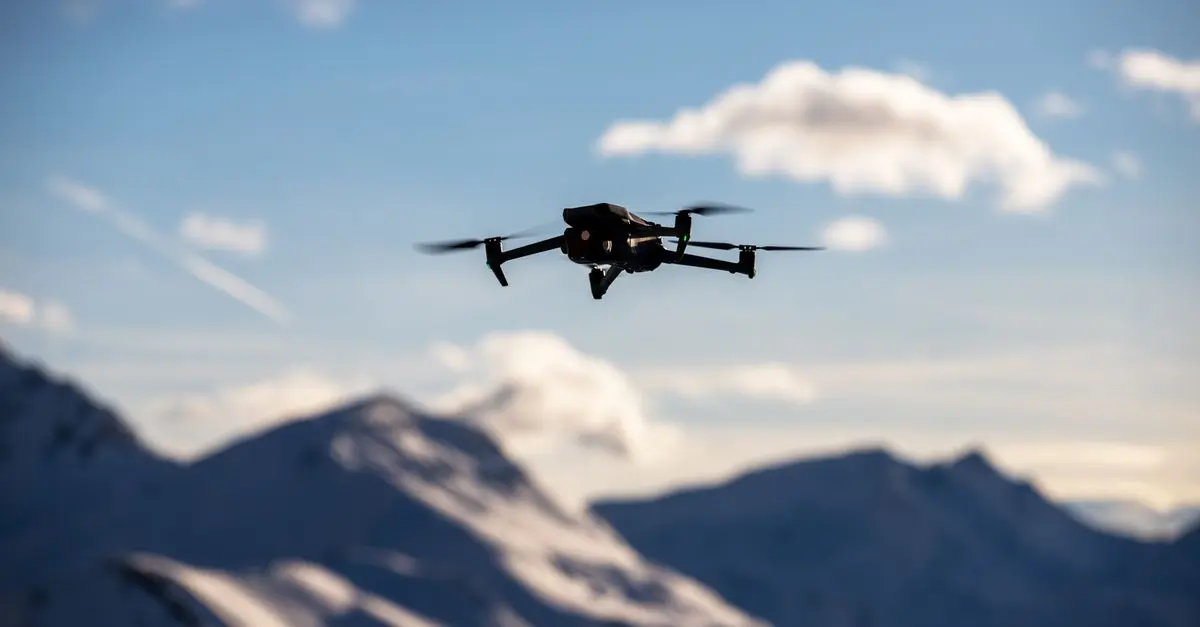
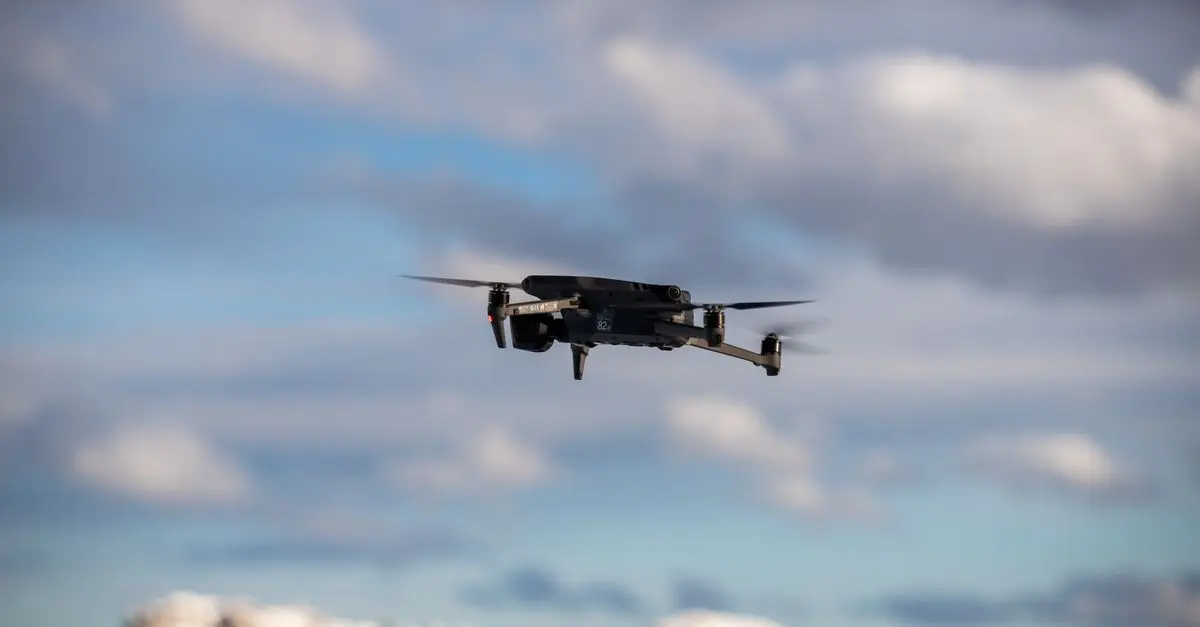
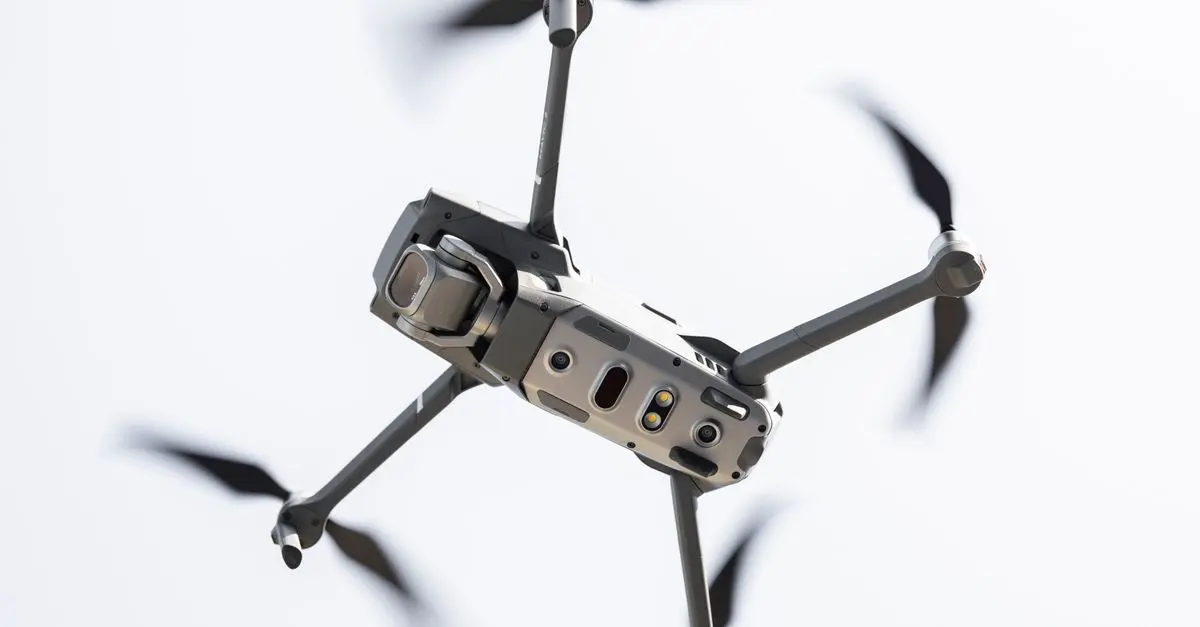
Delivery drones are unmanned aerial vehicles (UAVs) designed to transport goods directly to consumers or businesses. They operate autonomously or semi-autonomously, utilizing GPS, navigation systems, and obstacle detection technologies. Over the past few years, companies have refined drone designs to enhance payload capacities and flight ranges, making them increasingly viable for various applications. The rise of e-commerce has further fueled interest and investment in this technology as companies strive for faster and more efficient delivery methods.
Why Are Delivery Drones Important?
In a world that demands speed and convenience, delivery drones provide an innovative solution to meet customer expectations. According to a report by Deloitte, drone deliveries can reduce logistics costs by up to 20%, making it an attractive option for businesses looking to increase margins while improving service. Additionally, as urban areas continue to grapple with traffic congestion, drones offer a viable alternative to ground delivery vehicles.
2. Advancements in Drone Technology
One of the most significant trends shaping the delivery drones future is the rapid advancement in drone technology itself.
Enhanced Battery Life and Payload Capacity
Recent improvements in battery technology have increased flight times, allowing drones to cover longer distances on a single charge. For example, Amazon Prime Air has been developing drones capable of carrying packages weighing up to 5 pounds over a distance of up to 15 miles. These advancements enable faster deliveries and broaden the range of products that can be shipped directly to consumers.
AI and Machine Learning Integration
The integration of AI and machine learning is transforming how drones navigate and make real-time decisions. Drones are equipped with sophisticated algorithms that facilitate safe flying in complex environments. They can recognize obstacles, adapt their flight paths based on changing weather conditions, and respond to emergency situations autonomously. This level of intelligence enhances both operational efficiency and safety in drone deliveries.
💡 Expert Opinion: According to insights from the Aerospace Industries Association, advancements in AI mean that by 2027, we could see fully autonomous delivery drones operating in urban centers, significantly enhancing last-mile delivery logistics.
3. Regulatory Progress and Air Traffic Management
As delivery drone technology matures, regulatory frameworks are also evolving to keep pace with innovations.
Evolving Legislation
In many countries, drone regulations are being adapted to accommodate commercial drone deliveries. For instance, the Federal Aviation Administration (FAA) in the U.S. has been working on integrating drone flights into the national airspace system. By establishing designated drone corridors and regulating flight altitudes, the FAA aims to ensure safety while promoting the growth of drone deliveries.
Air Traffic Management Solutions
The rise of delivery drones necessitates new air traffic management solutions to prevent mid-air collisions. Companies like AirMap are developing software platforms that assist in drone flight planning and traffic monitoring, ensuring safe operations amidst increasing drone traffic. The establishment of these systems is critical for the scalability of drone delivery services.
4. Integration with E-commerce and Logistics
The integration of delivery drones into e-commerce platforms and logistics services is another driving force behind their future.
Real-time Tracking and Customer Engagement
Retailers are using drones to enhance customer engagement. Real-time tracking of drone deliveries is becoming standard, allowing consumers to monitor their packages from dispatch to arrival. Walmart has already piloted drone deliveries in select areas, providing customers with an innovative shopping experience. This integration not only improves customer satisfaction but also optimizes inventory management within warehouses.
Collaborative Logistics Models
Companies are exploring collaborative logistics models, wherein multiple businesses can share drone services for deliveries. This approach reduces costs and expands service coverage, making it more feasible for small businesses to offer drone deliveries without significant investments in infrastructure. Such collaborations could fundamentally change the retail landscape by fostering competitive pricing and improved service offerings.
5. Sustainable Delivery Solutions
In an age where sustainability is a priority, the delivery drones future is also moving towards greener practices.
Electric and Solar-Powered Drones
Many companies are investing in electric and solar-powered drones, reducing the carbon footprint associated with traditional delivery methods. Drones fitted with solar panels can recharge during flights, enhancing their operational efficiency while minimizing environmental impact.
Sustainable Materials and Design
Furthermore, drones are being manufactured using sustainable materials, which reduces waste and energy consumption during production. As regulatory bodies push for greener logistics solutions, drones are likely to become a cornerstone of sustainable delivery practices.
6. Safety and Security Measures
Safety and security remain paramount in the expansion of drone delivery services.
Intrusion Detection Systems
To prevent theft and ensure package security, companies are developing advanced intrusion detection systems. Drones are now equipped with locking mechanisms that secure packages during transit and release them only when they reach designated delivery locations.
Privacy Concerns
With the growth of drone fleets, privacy concerns have emerged. Regulatory bodies are establishing guidelines to ensure that drones do not invade personal privacy, striking a balance between innovation and public safety.
7. Future Projections and Trends
Looking ahead, several trends can be anticipated in the realm of delivery drones.
Market Growth
The global drone delivery market is projected to reach $39 billion by 2026, fueled by increasing demand for quick delivery services across various sectors, including retail, healthcare, and food services. Statista indicates substantial growth in the adoption of drones, especially in urban environments. As more companies enter the market, competition will drive innovation and efficiency.
Advanced Customer Experience
The integration of augmented reality (AR) and virtual reality (VR) into drone services is on the horizon. These technologies may enhance the customer experience by providing interactive tracking of deliveries, engaging consumers in a manner that’s both informative and entertaining.
Checklist Before Using Drone Delivery Services
- [ ] Research local regulations regarding drone use.
- [ ] Ensure your delivery service offers real-time tracking.
- [ ] Check if the delivery drones use sustainable methods.
- [ ] Verify the security measures implemented in delivery.
- [ ] Read user reviews and testimonials.
📺 For more insights
Explore the future of delivery drones in greater detail. Search YouTube for: "future of delivery drones 2026".
Glossary
| Term | Definition |
|---|---|
| UAV | An Unmanned Aerial Vehicle, commonly known as a drone, used for various applications including delivery. |
| Last-mile delivery | The final step of the delivery process where goods are transported from a transportation hub to the final customer. |
| E-commerce | The buying and selling of goods or services via the internet, typically involving online transactions and delivery services. |