Table of Contents (15 sections)
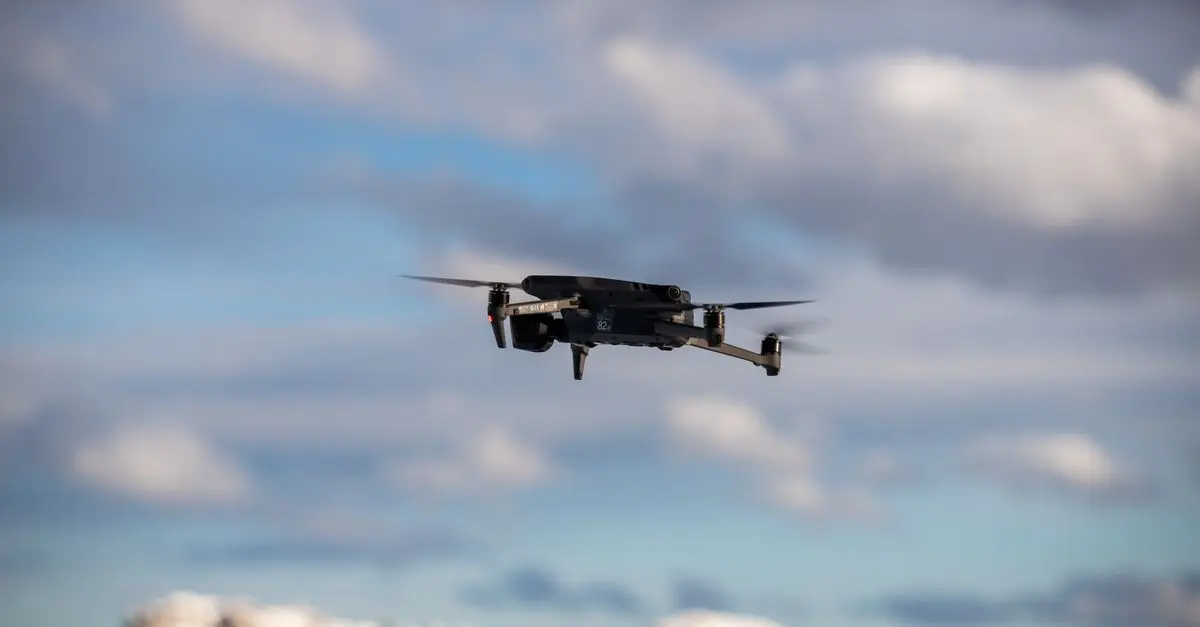
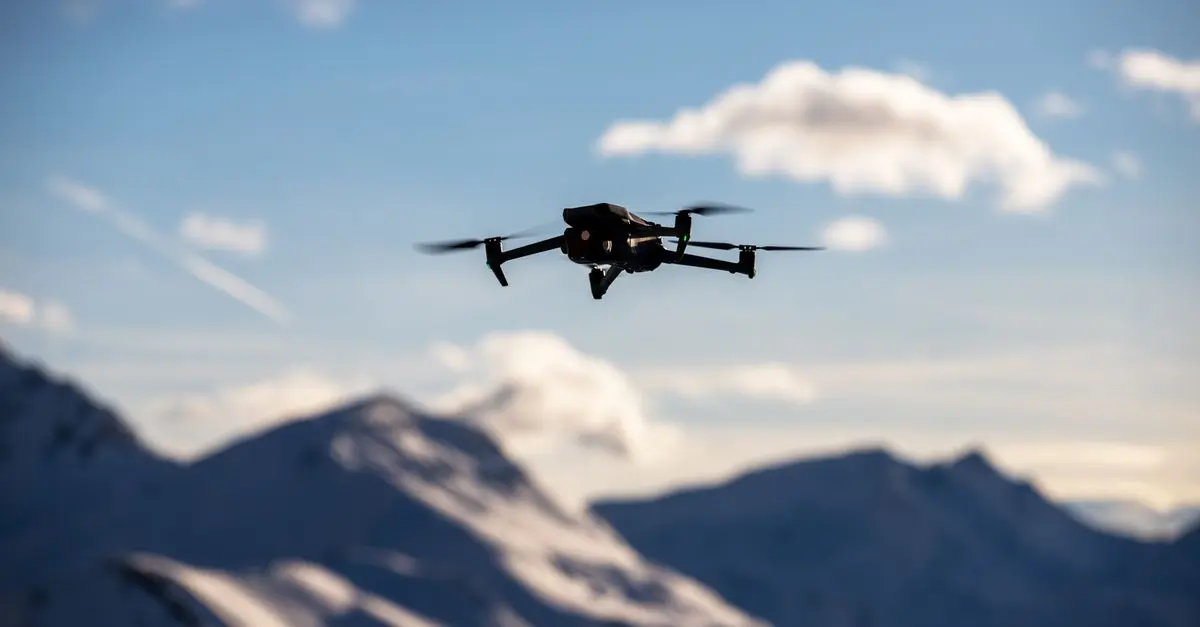
Drones have rapidly evolved from niche gadgets into vital components of various industries. As we explore the future of drone technology, significant innovations are unfolding that promise to transform how we operate across sectors such as agriculture, logistics, and public safety.
Defining Drone Technology
Drone technology consists of unmanned aerial vehicles (UAVs) that utilize sensors, cameras, and GPS for various applications. Initially designed for military purposes, drones have spread into civilian use, including photography, surveillance, and delivery services. According to Statista, the drone market is projected to reach $43 billion by 2026, demonstrating immense growth potential across industries.
Understanding the fundamentals of drone technology is crucial. Drones operate using a combination of hardware, including lightweight frames, propulsion systems, and flight controllers, along with software for navigation and operation. This amalgamation of technology enables drones to perform tasks ranging from aerial surveys to package deliveries.

Milwaukee Leather 7.4V Men's True All Seasons Leather Jacket with Heated and Cool Technology
thewarmingstore.com


Key Innovations in Drone Technology
As we dive deeper into the future of drone technology, several innovations stand out:
- AI-Powered Navigation: Drones are increasingly equipped with AI, enhancing navigation and obstacle avoidance. These systems allow drones to operate autonomously, reducing the need for human intervention while improving safety. For instance, DJI has integrated advanced AI algorithms to optimize flight paths and avoid collisions.
- Delivery Drones: Companies like Amazon and Wing are pioneering the deployment of drones for package delivery. With the potential to drastically reduce delivery times, these drones offer convenience and efficiency. A 2026 study by McKinsey estimates that drone deliveries could cut logistics costs by up to __40%__, benefiting retailers and consumers alike.
- Swarming Technology: Swarm technology enables multiple drones to work collaboratively. This innovation has applications in agriculture, where several drones can monitor crop health and resource allocation simultaneously, increasing efficiency.
- Heavy Lift Drones: Innovations in battery and motor technology are paving the way for heavy lift drones, capable of carrying significant payloads. These drones are particularly useful in construction and emergency response scenarios, such as delivering supplies in disaster-stricken areas.
- Drone Safety Regulations: As drone usage expands, regulatory frameworks are evolving. The FAA has introduced new regulations that facilitate the safe operation of drones in populated areas. Innovations like geofencing and remote identification technology enhance safety and accountability.
Each of these innovations plays a crucial role in advancing the future of drone technology. As these technologies mature, their integration into existing infrastructures will lead to transformative changes across various sectors.
Comparison of Drone Types
To understand the nuances of drone technology, comparing different types of drones based on their applications, features, and utilities is essential. Below is a concise comparison:
| Type of Drone | Key Features | Common Uses | Advantages |
|---|---|---|---|
| Multirotors | Easy to use, stable, and hover | Aerial photography and surveys | High maneuverability |
| Fixed-wing Drones | Longer flight times | Agriculture and mapping | Greater coverage and efficiency |
| Single Rotor | Similar to helicopters | Heavy lift and industrial use | Ability to lift heavier payloads |
| Hybrid Drones | Combines multirotor and fixed-wing | Versatile applications | Balances flight time and payload |
Trends Shaping the Future
Several trends significantly influence the future of drone technology and the way industries operate:
Increased Adoption in Agriculture
The agricultural sector is witnessing an expanding adoption of drones to enhance farming practices. Farmers leverage drones for monitoring crop health through hyperspectral imaging, assessing soil moisture levels, and optimizing pesticide application. According to a report by Grand View Research, agricultural drones could account for over 60% of the total drone market by 2026. This shift is pivotal as it embraces precision agriculture, leading to more sustainable and efficient farming methods.
Integration with IoT
The Internet of Things (IoT) is making drones smarter. By enabling them to communicate with other devices and systems, drones can relay real-time data to optimize operations in various sectors, from logistics to process automation in manufacturing. This trend is anticipated to enhance data collection significantly, offering valuable insights.
Enhanced Battery Technology
Innovations in battery technology are crucial for prolonging flight times and increasing payload capacities. Researchers are developing solid-state batteries that deliver longer operational times. A significant leap in battery efficiency could allow drones to operate for longer periods, a game changer for continuous operations like surveillance and delivery.
FAQs
What are the primary uses of drones?
Drones are used in various applications, including aerial photography, agriculture, surveying, public safety, and logistics.
How do drones navigate?
Most drones navigate using GPS, and advanced models incorporate AI for real-time obstacle detection and autonomation.
Are there regulations for drone use?
Yes, the FAA regulates drone operations in the U.S., and similar authorities exist worldwide to ensure safe operations.
Can drones be used in emergencies?
Absolutely! Drones are increasingly used in emergency response scenarios for supply delivery, disaster assessment, and search and rescue.
Samsung Laundry Dryer with AI Control and Heat Pump Technology in White(DV25FG62B0BEA2)
samsung.com

Samsung Front Load Washer & Dryer Set with Vibration Reduction Technology+ and Sensor Dry in White(BNDL-1603912197302)
samsung.com

BISSELL CleanView with OnePass Technology Plus Upright Bagless Vacuum Sienna 3583
bissell.com
Glossaire
| Terme | Définition |
|---|---|
| UAV | Unmanned Aerial Vehicle; a drone typically used for various applications. |
| AI | Artificial Intelligence; technology enabling machines to perform tasks that typically require human intelligence. |
| Geofencing | A technology that creates a virtual boundary around a geographical area, often used for safety in drone operations. |
Checklist avant achat
- [ ] Determine the purpose of the drone
- [ ] Assess the required specs: camera, battery, range
- [ ] Examine regulatory requirements for your region
- [ ] Read reviews and user experiences
- [ ] Compare brands and models for reliability
📺 Pour aller plus loin : *Watch our detailed video on the exciting innovations in drone technology, from delivery systems to AI-powered navigation. Search for:
Recommended products
Selected by our experts

Clinique Redness Solutions Makeup Broad Spectrum SPF 15 With Probiotic Technology, Calming Honey - 1 fl. oz./30 ml
clinique.com

PLAUD Inc. Plaud Note AI Voice Recorder, Voice Recorder w/Case, App Control, Transcribe & Summarize with AI Technology, Support 112 Languages, 64GB
plaud.ai
Nonin Medical NoninConnect™ Finger Pulse Oximeter with Bluetooth® Smart Wireless Technology
concordhealthsupply.com
Nonin Medical NoninConnect™ Finger Pulse Oximeter with Bluetooth® Smart Wireless Technology
concordhealthsupply.com

Plaud NotePin AI Voice Recorder, Voice Recorder with Neck Strap Lanyard, Transcribe & Summarize with AI Technology, 64GB Memory
plaud.ai