Table of Contents (7 sections)
Drone technology has made significant strides over the last decade, finding its way into numerous sectors and reshaping processes that were once deemed traditional. These unmanned aerial vehicles (UAVs) not only redefine the methods of gathering data and conducting operations but also enhance safety and efficiency across various industries. Understanding how drone technology operates and its myriad applications can provide invaluable insight into its growing relevance in today's tech-savvy world.
1. What is Drone Technology?
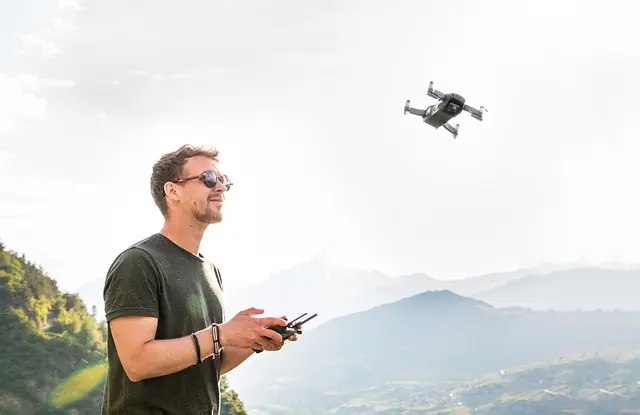
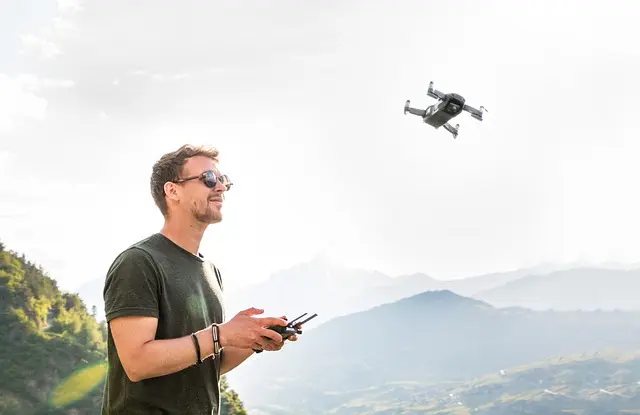
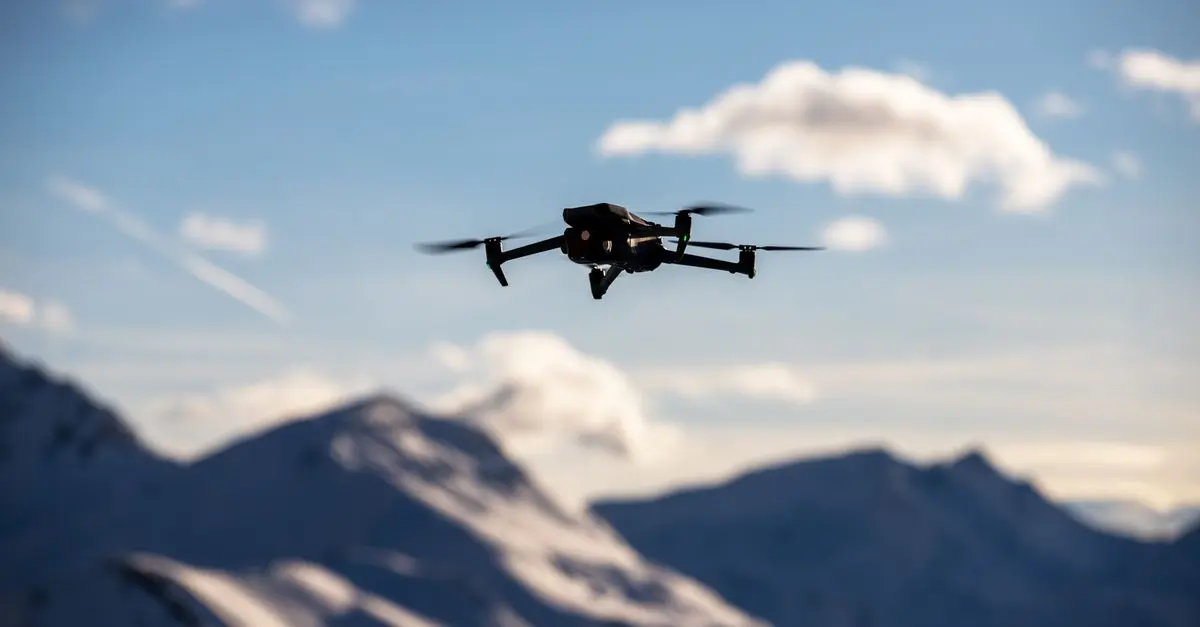
Drone technology refers to the use of unmanned aircraft systems (UAS), which are equipped with sensors, cameras, and software that allow them to navigate and operate without human pilots on board. Drones can range from small consumer drones used for recreational activities to larger, more advanced military UAVs.
The fundamental components of drone technology include the air vehicle, a control system, and communication links. Drones utilize GPS for navigation and often come with various payloads, from high-definition cameras to thermal sensors. According to the Federal Aviation Administration (FAA), commercial drone operations have increased significantly, with an estimated 1.7 million drones registered in the U.S. alone in 2026, highlighting the growing interest and implementation of drone technology.
2. How Drone Technology Operates
Understanding how drone technology works is essential for appreciating its applications. Generally, the operation of a drone consists of several key steps:
- Pre-flight Preparation: Before takeoff, operators must ensure that the drone is in optimal condition, including checking battery levels, firmware updates, and payload.
- Flight Planning: Operators can use specialized software to set flight paths, designating waypoints and determining the altitude and duration of the flight.
- Takeoff and Navigation: Using GPS and onboard sensors, drones navigate autonomously or are controlled manually by an operator from the ground.
- Data Collection: Drones capture images, videos, or other sensor data as per the mission requirements.
- Landing: After completing the tasks, drones return to their launch point or land at a designated area.
The ability to perform these operations efficiently has made drones essential in fields such as agriculture, construction, and disaster management.
3. Key Applications of Drone Technology
The applications of drone technology have expanded dramatically over the years, benefiting various industries. Here are some notable areas where drone technology applications are making an impact:
- Agriculture: Farmers utilize drones equipped with multispectral cameras to monitor crop health, assess irrigation needs, and improve yield efficiency. A study by NASA indicated that the use of drone technology in agriculture could lead to a 10-20% increase in crop productivity.
- Logistics and Delivery: Companies like Amazon and UPS are actively testing drone delivery systems. With drones, businesses can potentially reduce delivery times significantly, with commercial deliveries becoming a reality as regulations evolve.
- Infrastructure Inspection: Drones have become invaluable in inspections of bridges, power lines, and pipelines, enabling authorities to detect wear and tear or issues without the need to interrupt services or put workers at risk.
- Emergency Response: In disaster situations, drones can survey affected areas, providing real-time data and helping first responders assess damage and plan rescue operations effectively.
Comparative Analysis of Drone Applications
The diverse applications can be summarized in the following comparison table:
| Criteria | Agriculture | Logistics | Inspection | Emergency Response |
|---|---|---|---|---|
| Efficiency | High | Very High | High | Medium |
| Cost-Effectiveness | Medium | High | Medium | Low |
| Data Accuracy | High | Medium | Very High | Medium |
| Operational Risks | Low | Medium | Low | High |
4. Future Trends in Drone Technology
Looking ahead, several trends indicate the ongoing evolution of drone technology. These include:
- Autonomous Navigation Enhancements: Advances in artificial intelligence (AI) are expected to streamline drone operations further, allowing for improved obstacle avoidance and route optimization.
- Integration with IoT: Drones are increasingly becoming part of the Internet of Things (IoT), connecting with other devices and systems for real-time data sharing and analysis.
- Regulatory Developments: As drone technology matures, regulatory bodies are expected to create more defined guidelines, facilitating the sector's growth while addressing safety and privacy concerns.
5. Expert Insights: The Role of Drone Technology in Industry
> 💡 Expert Opinion: An expert in drone technology believes that the integration of drones into routine industry practices will lead to transformative changes.
Recommended products
Selected by our experts

Clinique Redness Solutions Makeup Broad Spectrum SPF 15 With Probiotic Technology, Calming Honey - 1 fl. oz./30 ml
clinique.com

PLAUD Inc. Plaud Note AI Voice Recorder, Voice Recorder w/Case, App Control, Transcribe & Summarize with AI Technology, Support 112 Languages, 64GB
plaud.ai
Nonin Medical NoninConnect™ Finger Pulse Oximeter with Bluetooth® Smart Wireless Technology
concordhealthsupply.com
Nonin Medical NoninConnect™ Finger Pulse Oximeter with Bluetooth® Smart Wireless Technology
concordhealthsupply.com

Plaud NotePin AI Voice Recorder, Voice Recorder with Neck Strap Lanyard, Transcribe & Summarize with AI Technology, 64GB Memory
plaud.ai