Table of Contents (13 sections)
In recent years, drone technologies have significantly evolved, transforming how enthusiasts and professionals approach aerial photography, mapping, and racing. As we move through 2026, a myriad of innovations enhances flight capabilities, safety, and user experience. Whether you’re a seasoned pilot or a hobbyist, adopting these drone technologies can dramatically improve your flying experience.
1. Advanced Flight Control Systems
One of the primary enhancements in drone technologies is the incorporation of advanced flight control systems. These systems use sophisticated algorithms to manage the drone's positioning, stability, and responsiveness. For example, many modern drones now utilize GPS-driven navigation, enabling precise location tracking and automated flight paths. According to studies, drones equipped with advanced flight control can achieve over 95% flight accuracy even in windy conditions.
This enhancement not only enhances user control but also contributes to safety by minimizing crashes. New algorithms in flight control systems allow drones to execute complex maneuvers and adapt to changes in environmental conditions efficiently, ensuring smoother operations during flights.
2. Obstacle Avoidance Technologies
Drones often find themselves in unpredictable environments where obstacles can pose significant risks. Obstacle avoidance technologies represent a critical advancement in drone technologies that enhance flight safety. Many contemporary models use multiple sensors, including ultrasonic and visual sensors, to detect and avoid obstacles automatically. These sensors function in tandem with sophisticated algorithms that calculate a new path in real-time, ensuring that the drone can navigate without human intervention.
Studies indicate that drones with obstacle avoidance tend to experience up to 30% fewer collisions compared to those without this tech. This technology fosters not only safe flying but also encourages users to explore more complex aerial missions without the fear of damaging their drones or property.
3. Enhanced Battery Life and Efficiency
The flight experience can be drastically impacted by battery life. Thanks to ongoing research, modern battery technologies have substantially improved, enabling drones to operate longer without recharging. Lithium-polymer batteries, for instance, now offer enhanced energy density, allowing for longer flight times while maintaining a lightweight design. Users can expect flight times ranging from 20 to 50 minutes based on the drone's size and energy consumption.
Additionally, several manufacturers have introduced energy-efficient propulsion systems that consume less power. This combination of longer-lasting batteries and optimized technology means less downtime for drone operators and more flying fun.
4. HD and 4K Camera Integration
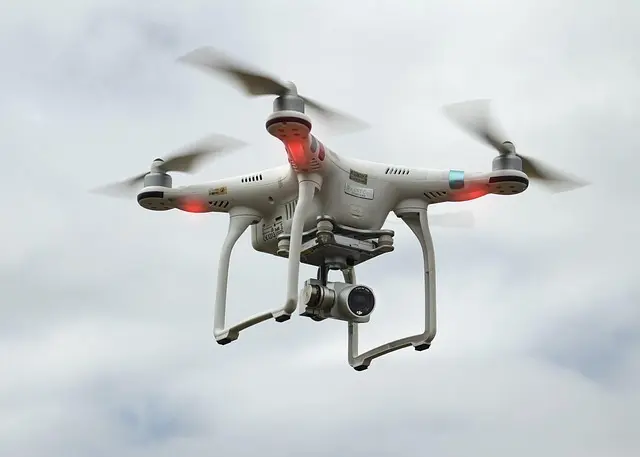
High-definition (HD) and 4K cameras are among the most sought-after features in today's drone technologies. These cameras have transformed the drone industry, allowing users to capture stunning images and videos from unique perspectives. The integration of these cameras provides enhanced image stabilization and shooting capabilities, ensuring that footage remains smooth and cinematic.
Some drones even offer real-time video transmission, allowing users to capture and share live feeds from their aerial adventures. With the average resolution of a 4K video being 3840 x 2160 pixels, users are now able to capture professional-grade content effortlessly, fueling creativity in various fields such as film, journalism, and personal projects.
5. Intelligent Flight Modes
Intelligent flight modes are another groundbreaking feature that significantly enhances the user experience. These modes allow drones to execute pre-programmed flight patterns and complex maneuvers autonomously, catering to both novice and experienced pilots. Examples include follow-me modes, waypoint missions, and even automated aerial shots. These features make it easy to capture dynamic and engaging content without the need for constant manual control.
A study revealed that drones equipped with intelligent flight modes could increase operational efficiency by over 40%, making them invaluable for commercial applications such as surveying and aerial mapping.
6. Real-Time Data Analytics
In today's data-driven world, drones equipped with real-time data analytics have gained prominence, particularly in sectors such as agriculture and inspection. Advanced sensors collect real-time data on various parameters, from crop health to structural integrity, and provide insights that can be utilized to make informed decisions. For example, drone technologies are increasingly utilized in precision agriculture, yielding actionable intelligence that can lead to crop yield improvements of up to 20%.
This integration of data analytics empowers users by enhancing their ability to monitor and manage assets, ultimately optimizing operations and reducing costs.
7. Foldable and Portable Designs
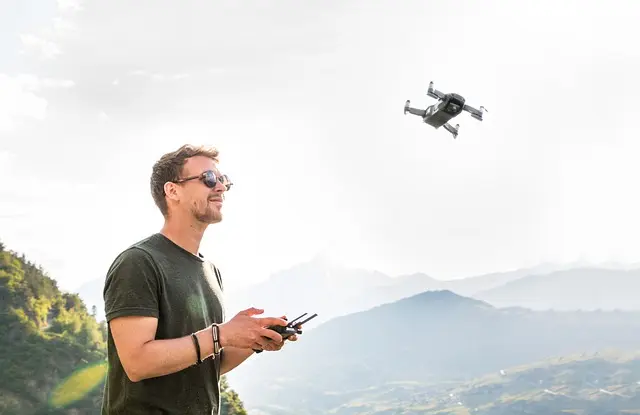
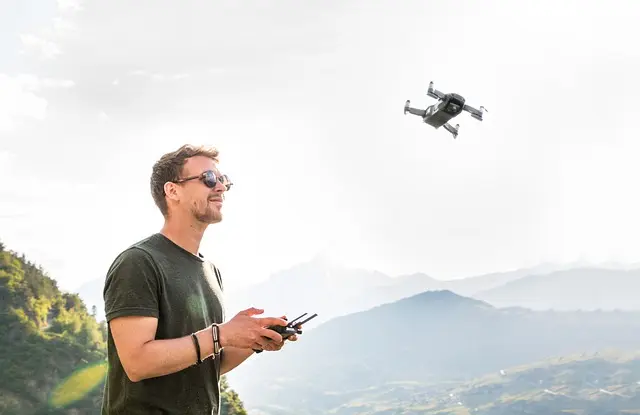
The design of drones has evolved alongside technology, leading to more compact, foldable models that enhance portability. Many of today’s drones can be folded down to a fraction of their size, making them easier to transport. This is particularly advantageous for travelers who want to capture drone footage during their adventures. A foldable drone can fit comfortably in a backpack, allowing users to take their experiences to new heights without carrying bulky equipment.
With the lightweight and compact design, users can seamlessly integrate drones into their travel gear, encouraging spontaneous aerial photography wherever they go.
8. Cloud Connectivity
Cloud connectivity has emerged as a crucial component of modern drone technologies, enabling seamless data transfer and storage. Many contemporary drones allow users to upload flight data and recorded videos directly to the cloud for easy access and sharing. This connectivity not only simplifies storage management but also facilitates collaboration among users, particularly in professional teams or projects requiring multiple stakeholders.
Additionally, cloud connectivity opens up opportunities for remote diagnostics and software updates, ensuring that drones remain up-to-date with the latest features and improvements, thus enhancing their operational capabilities.
📺 Resource Video
> 📺 For deeper insights: Explore the evolution of drone technologies and their impact on flight experiences. Search on YouTube: "Drone technologies 2026"
🧠 Quick Quiz
> What is one major benefit of obstacle avoidance technology in drones?
> - A) Increased flight time
> - B) Reduced collision rates
> - C) Improved camera quality
> Answer: B — This technology minimizes the risk of crashes during flight.
Checklist Before Purchase
- [ ] Evaluate battery life and efficiency
- [ ] Check for obstacle avoidance capabilities
- [ ] Consider the quality of the camera
- [ ] Assess the flight control system's capabilities
- [ ] Look for portability features
Glossary
| Term | Definition |
|---|---|
| Obstacle Avoidance | A technology enabling drones to detect and navigate around obstacles automatically. |
| HD Camera | A camera capable of producing high-definition images and videos, enhancing content quality. |
| Intelligent Flight Modes | Pre-programmed settings that allow a drone to fly autonomously to perform specific tasks like capturing footage. |
---
📺 Pour aller plus loin : drone technologies 2026 sur YouTube