Table of Contents (15 sections)
- What Are Drones in Wildlife Conservation?
- How Drones Are Utilized: A Step-by-Step Guide
- Comparing Drone Technologies for Conservation
- Data Insights: The Impact of Drones on Wildlife Conservation
- Expert Opinions on Drone Use in Conservation
- FAQs about Drones in Wildlife Conservation
- Glossary
- Checklist for Drone Use in Wildlife Conservation
What Are Drones in Wildlife Conservation?
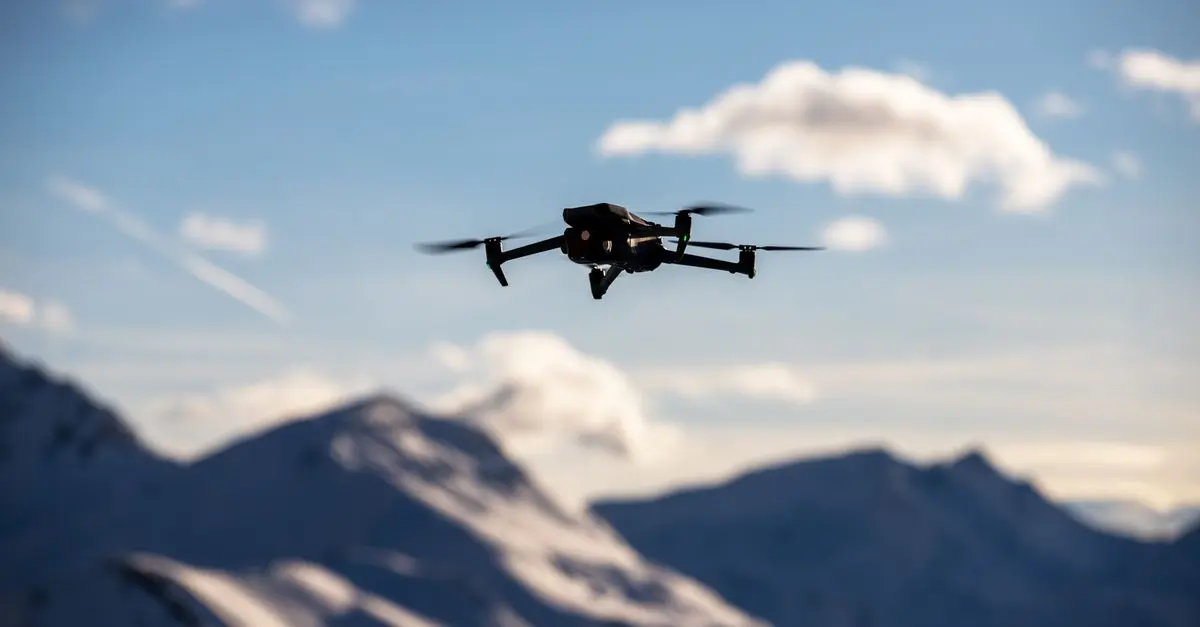
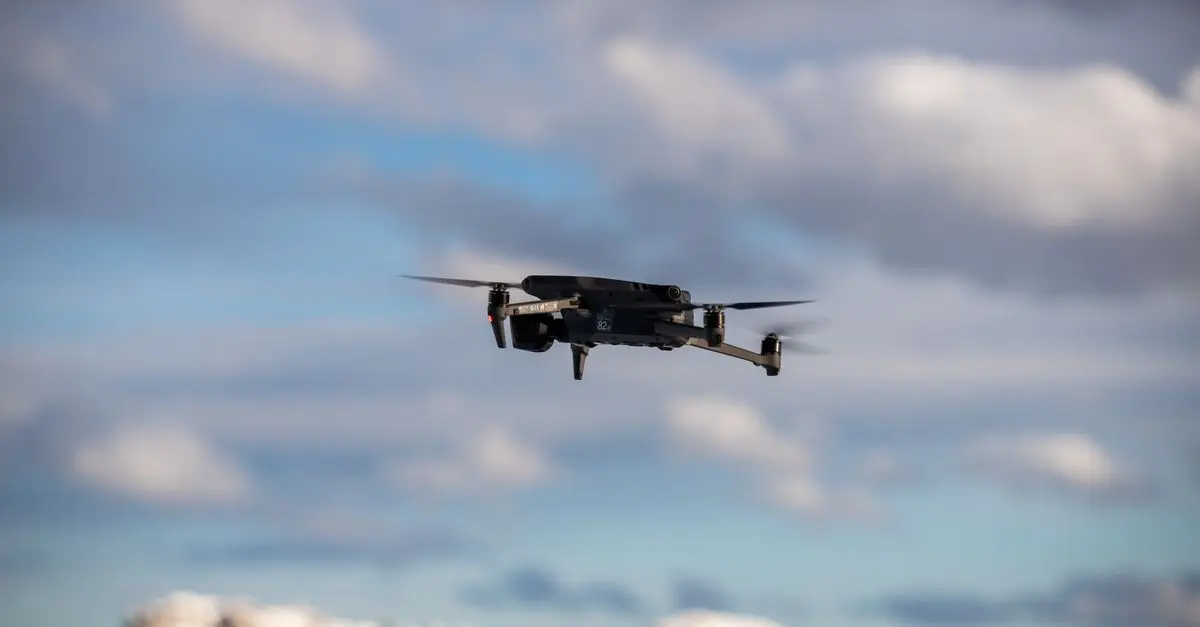
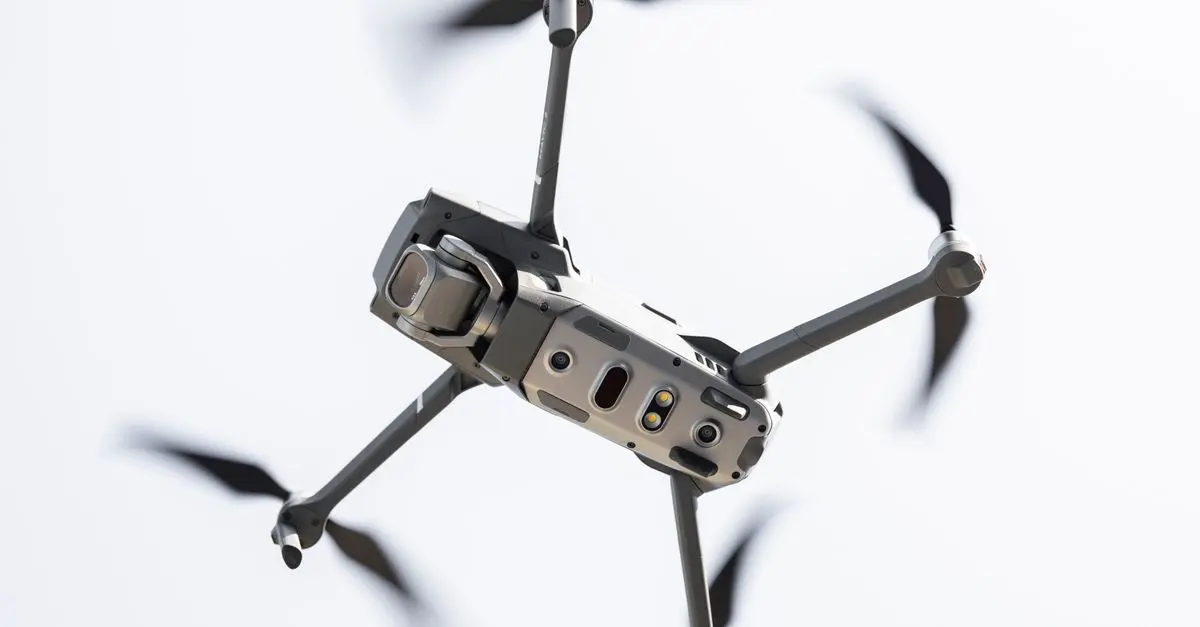
Drones, or Unmanned Aerial Vehicles (UAVs), are increasingly employed in wildlife conservation efforts due to their versatility and efficiency. These high-tech devices, equipped with cameras and various sensors, allow conservationists to monitor wildlife populations and their habitats from unique vantage points. Their usage is particularly valuable in dense forests and remote areas where traditional surveying methods are impractical.
One of the critical advantages of using drones is their ability to gather large amounts of data quickly. For example, BBC News reported that drones can cover vast areas in a fraction of the time it would take humans on the ground. This efficiency allows for timely interventions to protect endangered species or track illegal activities such as poaching. In recent years, projects leveraging drones have emerged in various regions, showcasing their applicability in environmental research and wildlife protection on a global scale. According to a 2025 study published by the Journal of Conservation Technology, the accurate data collected via drones significantly enhances decision-making processes in conservation efforts, proving that they are not merely supplementary tools but rather integral components of modern wildlife management strategies.
How Drones Are Utilized: A Step-by-Step Guide
The application of drones in wildlife conservation can be broken down into several steps:
Step 1: Planning the Flight
Before any drone operation, conservationists develop a flight plan detailing the target area. This includes parameters such as altitude, speed, and the specific data to collect (e.g., video, thermal imaging, or multispectral data).
Step 2: Conducting the Flight
Using GPS technologies, drones are launched to follow the pre-defined path, capturing images or video footage of wildlife and their habitats from above. For instance, drones equipped with thermal cameras can locate nocturnal species that aren't visible to the naked eye, enhancing species monitoring efforts.
Step 3: Data Collection
Once the flight is completed, the collected data is transmitted back to researchers for analysis. The data helps in identifying population densities, behaviors, and habitat conditions, which are crucial for developing targeted conservation strategies.
Step 4: Analysis and Reporting
Analysts review and interpret the data, producing reports that guide conservation efforts. This actionable information helps organizations prioritize areas requiring immediate attention or intervention.
Step 5: Implementing Conservation Strategies
Based on the findings, targeted strategies are implemented. These can vary from habitat restoration projects to anti-poaching patrols.
By utilizing drones at each of these stages, conservationists improve their effectiveness and resources, ensuring that they conserve biodiversity in a sustainable manner.
Comparing Drone Technologies for Conservation
| Criteria | Option A (Fixed-wing) | Option B (Multirotor) | Option C (Hybrid) | Verdict |
|---|---|---|---|---|
| Flight Duration | 60 minutes | 20 minutes | 45 minutes | Fixed-wing is best for large areas. |
| Payload Capacity | High | Moderate | High | Fixed-wing and hybrid excel. |
| Terrain Compatibility | Moderate | High | High | Multirotors are best for varied terrain. |
| Cost | High | Moderate | High | Multirotors often offer best value. |
Data Insights: The Impact of Drones on Wildlife Conservation
The use of drones in wildlife conservation has been growing exponentially over recent years. According to a report from Wildlife Conservation Society, drone usage has led to a 40% increase in the population counts of several endangered species primarily due to improved surveying capabilities. Additionally, the same report emphasizes that drones have reduced the costs associated with aerial surveys by nearly 50% over traditional methods. This tremendous cost-saving facilitates more frequent and thorough examination of ecosystems that need preservation.
Serious conservation initiatives, such as the rescue of the California condor, have benefited immensely from aerial monitoring. By tracking these birds from the skies, conservationists could respond quickly to threats like habitat encroachment or poaching.
Such successes underline the promising future that drones hold for wildlife conservation, merging technology with environmental stewardship.
Expert Opinions on Drone Use in Conservation
💡 Expert Opinion: "Drones have radically transformed the way we approach environmental monitoring. They provide data that was once difficult or impossible to collect. This has directly influenced successful conservation outcomes around the world." – Dr. Mark Robinson, Ecologist and Drone Technology Specialist.
According to experts like Dr. Robinson, the future of conservation will increasingly rely on technologies such as drones. The data-driven insights gained from aerial footage contribute to formulating effective protection policies and outreach programs aimed at preserving habitats.
FAQs about Drones in Wildlife Conservation
Q: Are drones effective for monitoring all wildlife species?
A: While drones are effective for many species, their success varies based on species behavior, size, and habitat. Species that inhabit dense vegetation may be more difficult to monitor with drones.
Q: What regulations govern the use of drones in wildlife conservation?
A: Regulations vary by region; most places require permits for drone flights, especially in protected areas. Always check local laws before deployment.
Q: How are drones different from traditional wildlife monitoring methods?
A: Drones provide a non-invasive method to collect data and images without disturbing animal behaviors or habitats, unlike traditional methods which may involve ground teams closer to animals.
Q: Can drones be used for anti-poaching efforts?
A: Yes, drones are increasingly being utilized for surveillance to help prevent illegal poaching activities in sensitive regions.
Glossary
| Term | Definition |
|---|---|
| UAV (Unmanned Aerial Vehicle) | A type of aircraft that operates without a human pilot onboard. |
| Thermal Imaging | A technology that detects heat emitted by objects to create images. |
| Multispectral Data | Data captured across various wavelengths of light, used for analysis in environmental studies. |
- [ ] Assess local regulations for UAVs.
- [ ] Determine the ecological goals of the survey.
- [ ] Select the appropriate drone model.
- [ ] Develop a detailed flight plan beforehand.
- [ ] Ensure team members are trained for drone operation.
📺 For a deeper dive:
[How Drones Are Revolutionizing Wildlife Conservation], a comprehensive overview of drone impacts in preserving endangered species. Search YouTube for: "drones wildlife conservation".
🧠 Quick Quiz: What is one of the primary benefits of using drones in wildlife conservation?
- A) Reduced costs
- B) Increased poaching
- C) Decreased monitoring capabilities
Answer: A — Drones significantly lower the costs associated with wildlife monitoring compared to traditional methods.