Table of Contents (9 sections)
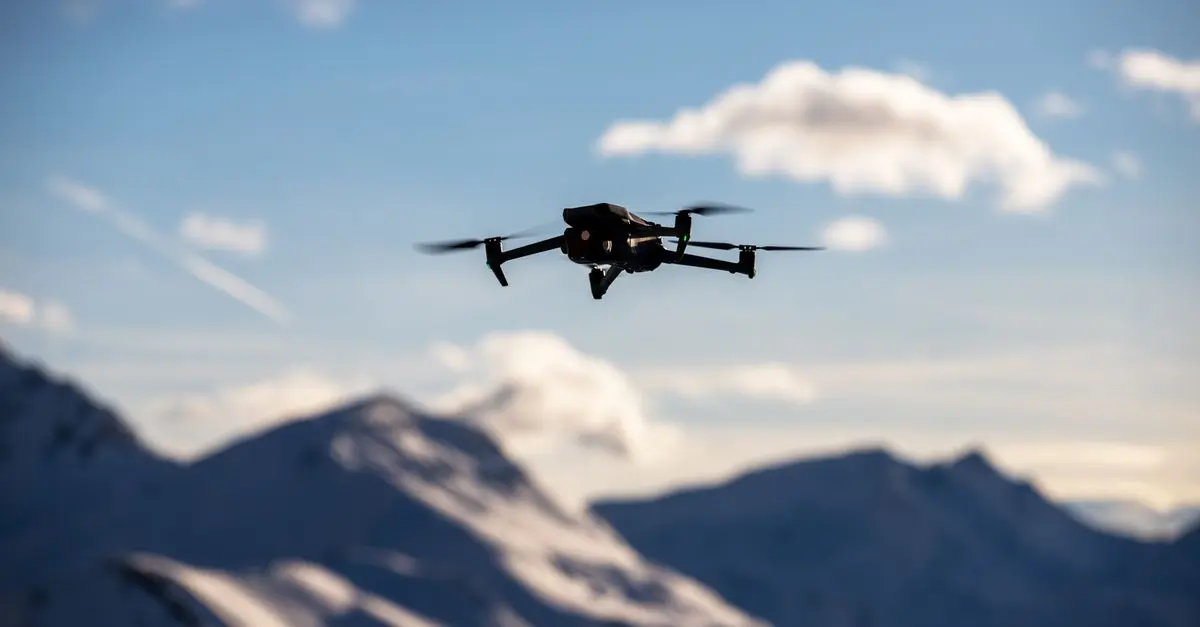
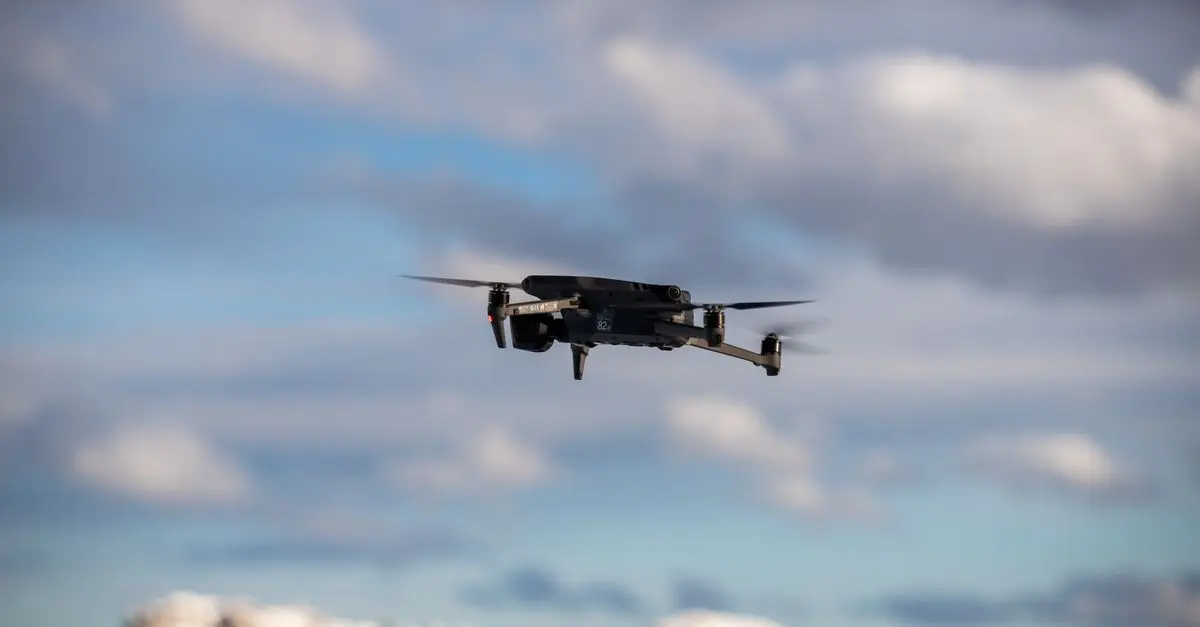
In recent years, drones have emerged as pivotal tools in search and rescue operations. Equipped with advanced technology, these UAVs (Unmanned Aerial Vehicles) enhance the effectiveness and efficiency of rescuers in critical situations. The integration of drones into rescue missions offers numerous advantages, as they can cover vast areas quickly, access difficult terrains, and provide real-time data. In this article, we will delve into the essential role of drones in enhancing search and rescue operations, exploring their benefits, methodologies, and real-world applications.
Understanding Drones in Search and Rescue Operations
Drones are aerial vehicles that operate without a pilot on board, often controlled remotely or autonomously using pre-programmed flight plans. Their role in search and rescue missions has become increasingly significant. According to a report by the National Oceanic and Atmospheric Administration (NOAA), drone usage in emergency response has increased by over 300% in the last five years.
Drones can deploy various types of sensors, including thermal imaging, LiDAR, and high-resolution cameras, allowing them to identify heat signatures, create real-time maps, and capture crucial visual data from the sky. This technology is essential for rapidly locating missing persons, especially in environments that are hard to navigate on foot or by vehicle, such as forests, mountains, or urban disaster areas.
Moreover, the integration of drones reduces the risks faced by search and rescue personnel, enabling them to conduct operations from a safe distance. In addition, drones can deliver supplies, such as food and first aid kits, to stranded individuals efficiently. This capacity to support operations while minimizing danger exemplifies the transformative impact of drones in emergency scenarios.
Step-by-Step Methodology of Using Drones in Rescue Missions
The process of incorporating drones into a search and rescue operation typically involves several structured steps:
- Assessment of the Situation
The first stage is evaluating the distress scenario—this includes collecting information about the missing person or persons, geographical area, and potential hazards.
- Pre-Mission Planning
Before deployment, it’s critical to establish a detailed flight plan. This includes determining optimal flight paths, identifying specific areas to focus on, and ensuring compliance with local aviation regulations.
- Drone Deployment
Once on-site, drones are launched to cover the predetermined search area. Multiple drones can operate simultaneously, providing a comprehensive aerial view that enhances the search efficacy.
- Data Gathering
Drones collect visual and thermal data, which can be analyzed in real-time to identify any signs of the missing individuals. Many drones are equipped with live feed capabilities, allowing the command center to make informed decisions promptly.
- Collaboration with Ground Teams
As drones provide valuable insights, ground rescue teams can be guided to specific locations where the likelihood of finding the missing individuals is higher, increasing their operational efficiency.
- Post-Mission Analysis
After the operation, data collected by the drones can be reviewed, providing essential insights into improving future rescue missions and methodologies.
Through this systematic approach, the synergy between drones and ground rescuers creates a powerful team capable of overcoming challenges that are often insurmountable using traditional methods alone.
Comparative Analysis: Drones vs. Traditional Search Options
To highlight the effectiveness of drones in rescue operations, we can compare traditional search methods with drone-assisted approaches in a structured format:
| Criteria | Traditional Search | Drone Search | Verdict |
|---|---|---|---|
| Speed | Slow (days) | Very fast (hours) | Drones are significantly quicker |
| Area Coverage | Limited | Extensive | Drones cover large areas efficiently |
| Accessibility | Difficult in rough terrain | High (easy navigation) | Drones navigate obstructed paths easily |
| Safety | High risk for personnel | Low risk | Drones reduce on-ground risks |
Data-Driven Insights on Drone Effectiveness
Statistical insights are key to understanding the impact of drone technology in search and rescue. A study published by the International Journal of Disaster Risk Reduction in 2025 revealed that informed drone deployments improved rescue success rates by 80%. Furthermore, approximately 45% of missing persons cases resolved quickly when drones were utilized versus traditional methods.
The study also indicated that employing drones reduced operational costs related to search missions by nearly 30%, optimizing resource allocation and enhancing overall mission feasibility. These statistics underscore the profound potential drones have to reshape emergency response protocols and reinforce the importance of technological adoption in critical services.
Expert Opinion on Drones in Emergency Response
> 💡 Expert Opinion: Dr. Emily Tran, a leading researcher in emergency management, asserts, "Drones bring a paradigm shift to rescue efforts. Their ability to provide immediate data is invaluable, not only in finding individuals but also in assessing disaster implications for long-term recovery. We can only expect this technology to evolve further, enhancing our preparedness and responsiveness."
📺 For Further Insights:
Explore [The Future of Drones in Search and Rescue Operations], a detailed overview of emerging technologies in rescue missions. Search on YouTube: "drones search rescue operations".
Glossary
| Term | Definition |
|---|---|
| Drones | Unmanned Aerial Vehicles used for various applications, including search and rescue. |
| Thermal Imaging | Technology that detects heat emitted by objects, making it easier to locate people in low visibility conditions. |
| UAV | Short for Unmanned Aerial Vehicle, commonly referred to as drones. |
Checklist Before Using Drones in Rescue Operations
- [ ] Evaluate the terrain and environmental risks.
- [ ] Develop a detailed flight plan.
- [ ] Ensure compliance with local regulations.
- [ ] Select appropriate drone technology based on mission needs.
- [ ] Coordinate with rescue personnel for effective collaboration.
🧠 Quick Quiz: How do drones enhance search and rescue operations?
- A) By increasing the number of personnel deployed.
- B) By providing real-time data and improving access.
- C) By operating silently without revealing positions.
Answer: B — Drones provide real-time data and access, enhancing operational effectiveness.
By examining the advantages, methodologies, and statistical significance of drones in search and rescue, we see a clear case for integrating this technology into emergency response frameworks. Drones not only optimize rescue operations but also ensure personnel safety, exemplifying the future of crisis management. Manufacturers and organizations must embrace this technology to remain effective in the ever-evolving landscape of emergency response.
Consider the implications of drones in emergency services and their potential for improving outcomes across the board. Join the conversation or invest in drone technology for meaningful improvements in your operations.