Table of Contents (10 sections)
The use of drones in environmental monitoring has steadily increased over the last decade, becoming a key tool for researchers and conservationists. Drones offer advanced capabilities for data collection, allowing for precise measurements of various environmental factors. They are used to monitor wildlife populations, assess vegetation health, and even track pollution levels. But what exactly are drones, and how are they changing the landscape of environmental monitoring?
What Are Drones?
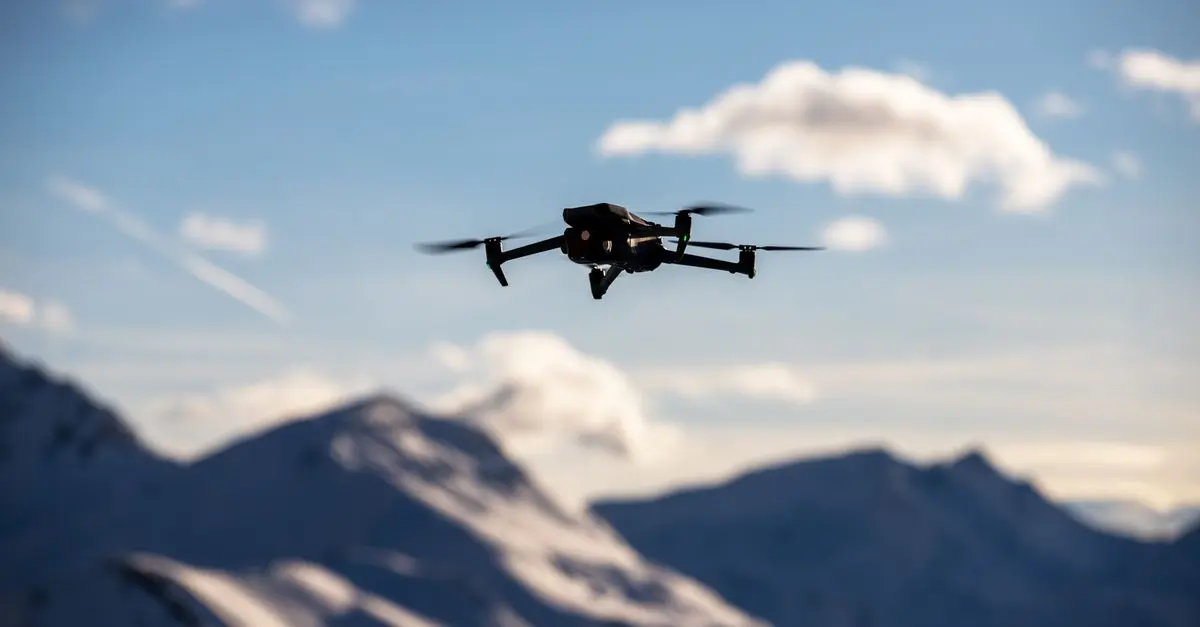
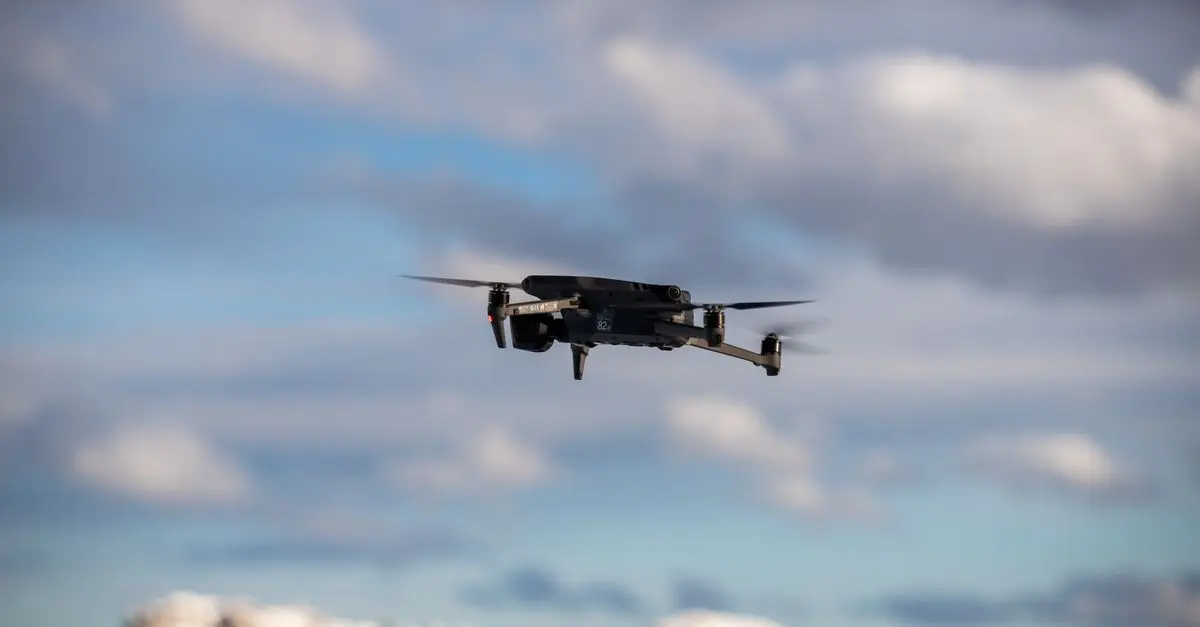
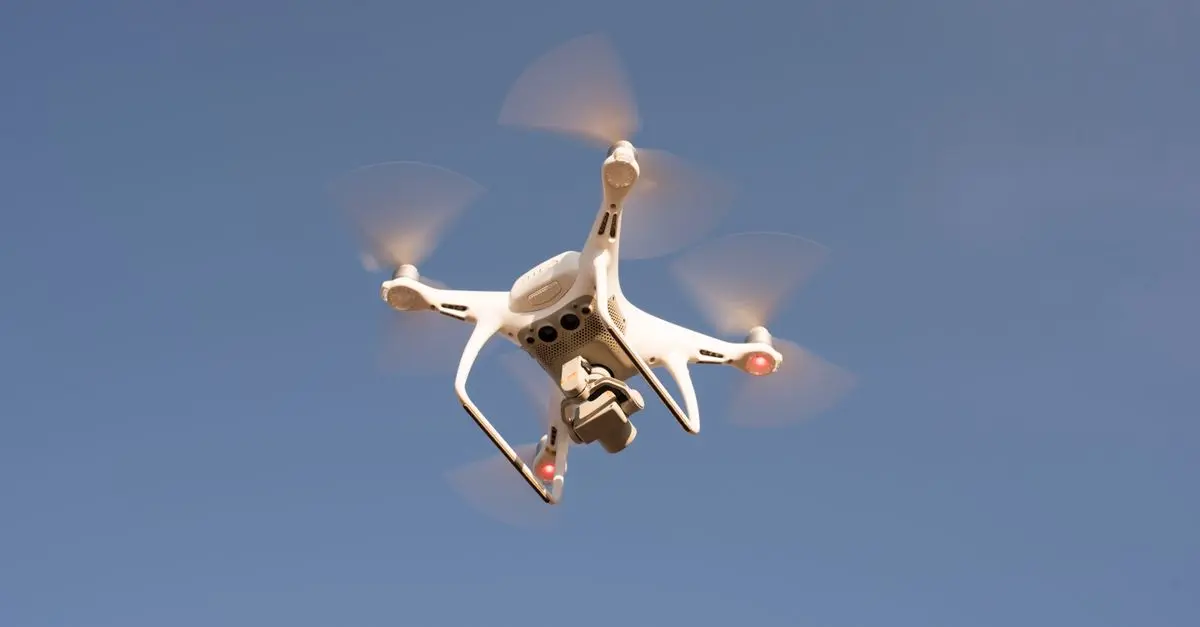
Drones, also known as unmanned aerial vehicles (UAVs), are aircraft that can be remote-controlled or fly autonomously using software-controlled flight plans. These flying machines come equipped with various sensors, cameras, and other technologies that enable them to collect data from the ground up.
Since their initial use in military operations, the applications of drones have proliferated across various fields. They now play a vital role in environmental science, providing significant advantages over traditional monitoring methods. For example, drones can access hard-to-reach areas such as mountain ranges, forests, and wetlands, areas that may be hazardous or impractical for human fieldwork. In addition, drones can cover large areas quickly while minimizing the disturbance to wildlife, an essential consideration for conservation efforts.
The Benefits of Drones in Environmental Monitoring
Using drones for environmental monitoring comes with a multitude of benefits. Here are some of the key advantages:
- Cost-Effectiveness: Traditional monitoring methods, such as manned aircraft or on-the-ground surveys, can be expensive and time-consuming. Drones reduce costs by minimizing manpower and allowing for rapid data collection over larger areas.
- High Precision and Accuracy: Drones equipped with high-resolution cameras and sensors can capture detailed images and data. For instance, multispectral sensors can assess plant health and biomass, providing vital information for researchers.
- Real-Time Data Collection: Drones enable researchers to gather data in real time, allowing for immediate analysis and quicker decision-making in environmental management.
- Safety: Drones reduce the risks associated with traditional monitoring methods, such as climbing steep terrains or conducting surveys in potentially dangerous areas like flood zones or active volcanoes.
Practical Applications of Drones in Environmental Monitoring
The applications of drones in environmental monitoring are wide-ranging.
- Wildlife Monitoring: Researchers use drones to track animal movements and behaviors without disturbing them. For example, scientists in Hawaii have utilized drones to monitor the nesting patterns of endangered seabirds, gaining insights while minimizing human impact on the habitat.
- Forest and Crop Assessments: Drones equipped with thermal imaging can identify stressed vegetation and show variations in crop health, helping farmers manage irrigation better and assess the impacts of pests.
- Climate Change Research: Drones help scientists collect data on greenhouse gas emissions and alterations in carbon levels in various ecosystems, providing critical data to understand climate change.
Comparative Analysis of Drones vs. Traditional Methods
| Criteria | Drones (UAVs) | Manned Aircraft | Ground Surveys | Verdict |
|---|---|---|---|---|
| Cost | Low | High | Moderate | Drones win |
| Accessibility | Excellent | Limited | Good | Drones win |
| Data Resolution | High | Moderate | Low | Drones win |
| Real-time Data Collection | Yes | Unlikely | Yes | Drones win |
Expert Insights
> 💡 Expert Opinion: The proliferation of drone technology in environmental monitoring is transformative. It allows for quicker, safer, and more accurate data collection, ultimately aiding better decision-making in conservation efforts. Researchers must still consider regulatory frameworks and ensure ethical use in sensitive environments.
Frequently Asked Questions
- What types of drones are best for environmental monitoring?
Various drones are suitable for environmental monitoring, including fixed-wing and multirotor drones. The choice depends on the specific monitoring needs, such as the area size and type of data required.
- Are drones environmentally friendly?
Yes, drones can be more eco-friendly than manned aircraft, reducing the carbon footprint associated with traditional monitoring practices. They minimize disturbances and allow for non-invasive observations.
- How are drones regulated for environmental monitoring?
Regulations govern drone usage, varying by region. Operators must adhere to safety guidelines set by bodies such as the Federal Aviation Administration (FAA) in the U.S. and obtain appropriate permits for specific monitoring activities.
- What is the future of drones in environmental monitoring?
The future looks promising, with advancements in AI, machine learning, and sensor technology. Expect to see more autonomous drones that can analyze data in field while flying, streamlining the monitoring process.
📺 Resource Video
> 📺 For more insights: Drones in Environmental Monitoring: A Game Changer, an in-depth look at the technologies and applications transforming our approach to conservation. Search on YouTube for: drones environmental monitoring 2026.
Glossary
| Term | Definition |
|---|---|
| UAV | Unmanned Aerial Vehicle; a drone used for various applications. |
| Multispectral Sensor | A device that captures data at different wavelengths, useful in analyzing plant health. |
| Ecosystem Monitoring | The process of assessing the health and status of biological communities and their environments. |
Checklist before Drone Purchase
- [ ] Determine the primary application (e.g. wildlife monitoring, vegetation analysis)
- [ ] Check the regulatory requirements in your area
- [ ] Compare camera resolutions and sensor types
- [ ] Assess battery life and flight time
- [ ] Review user feedback and expert recommendations
In conclusion, drones for environmental monitoring represent a significant advancement in the quest for sustainable management of our natural resources. Utilizing drones opens the door for more precise, safer, and cost-efficient methods of data collection, leading to more informed decisions in conservation and ecological studies. As technology continues to evolve, the future of environmental monitoring looks exceptionally bright. For anyone involved in environmental research or interested in technology, drones offer an exciting frontier to explore.