Table of Contents (10 sections)
In 2026, the use of drones in emergency response has emerged as a game-changer in how we manage crisis situations. These unmanned aerial vehicles (UAVs) are no longer just tools for photography or recreation; they are essential assets for first responders and agencies tackling emergencies, from natural disasters to man-made crises. As technology advances, the capabilities of drones have expanded significantly, enabling real-time data collection, surveillance, and delivery services that enhance situational awareness and response efficiency. In this article, we will explore the innovative applications of drones in emergency scenarios, their benefits, and future implications.
What are Drones in Emergency Response?
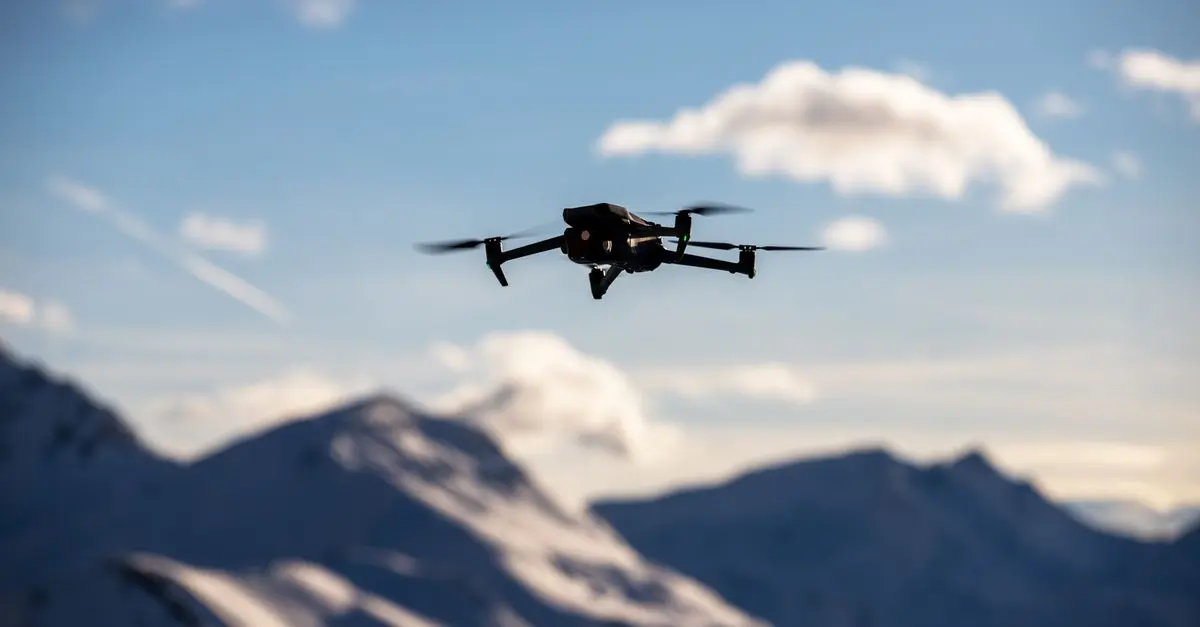
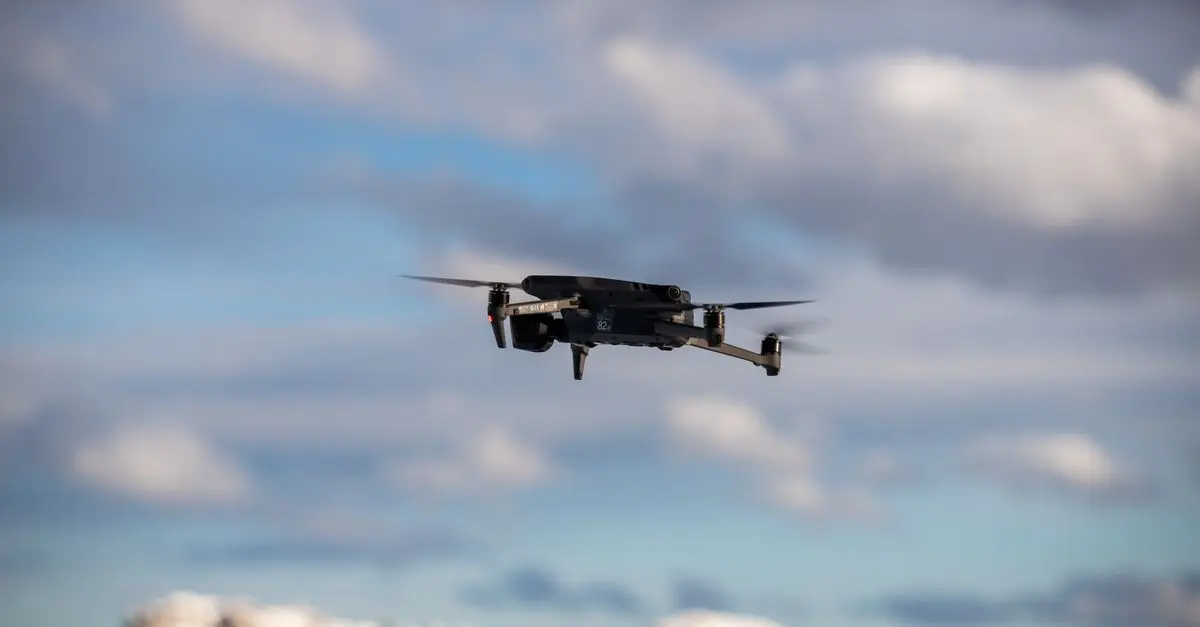
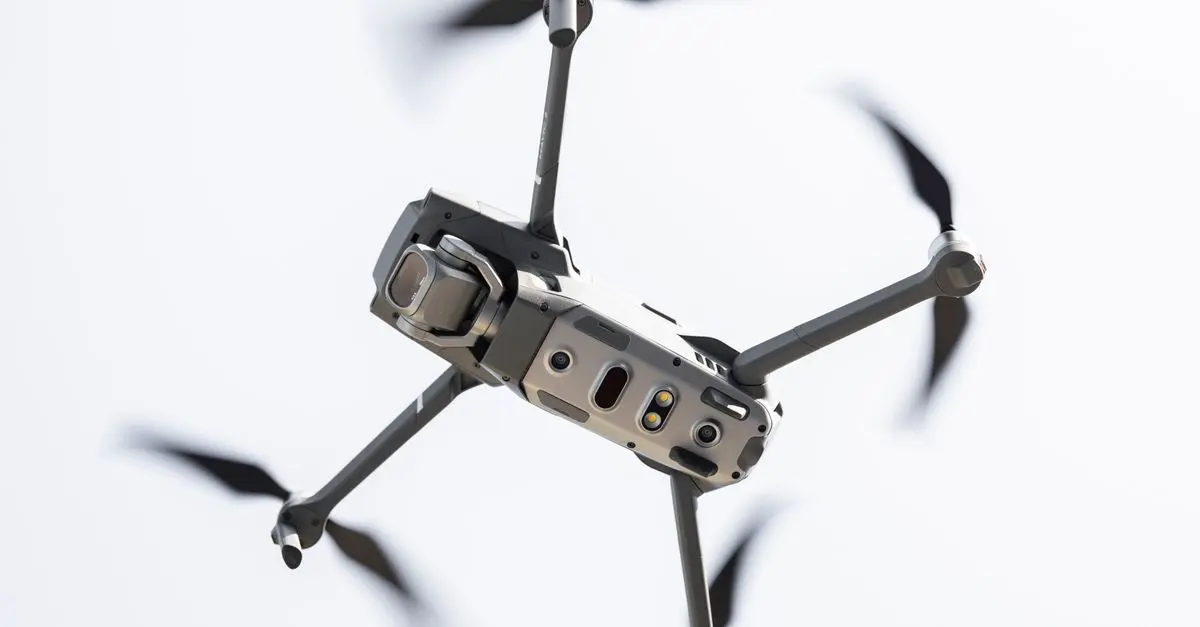
Drones, commonly known as UAVs, are remotely operated aircraft that can be equipped with various technologies, including cameras, sensors, and communication devices. In the context of emergency response, they serve multiple purposes:
- Surveillance and Assessment: Drones can quickly capture high-resolution imagery and video, allowing agencies to assess damage or danger areas without exposing personnel to risks.
- Delivery of Supplies: They can transport medical supplies, food, and equipment to remote or dangerous locations quickly.
- Search and Rescue Operations: Equipped with thermal imaging, drones can locate missing persons in challenging terrains or during night operations more effectively than ground teams.
For instance, during the recent hurricane season, agencies in coastal regions utilized drones equipped with infrared cameras to find stranded victims amid the debris. This context highlights the role of drones in enhancing situational awareness and response times during emergencies.
How Are Drones Used in Emergency Situations?
Exploring the procedural aspects of drone deployment reveals a systematic approach that emergency responders use to incorporate these technologies efficiently into their operations:
- Planning the Mission: Prior to deployment, responders evaluate potential use cases, such as search and rescue or infrastructure inspections.
- Selecting Appropriate Technology: Depending on the mission's nature, responders choose drones equipped with necessary tools, like GPS, cameras, or payload delivery systems.
- Operational Deployment: Teams execute the mission, often in tandem with ground operations, ensuring real-time communication and data sharing.
- Data Analysis and Reporting: The captured images and videos are analyzed to inform decisions, track progress, and generate reports for further action.
For example, after the devastating wildfires in California, drones were employed not only to help locate missing persons but also to assess the damage to infrastructure, documenting areas for repair. With their ability to gather invaluable data efficiently, drones have proven indispensable in crisis management.
Comparative Analysis of Drone Technologies
Understanding the differences between various drones can inform agencies looking to adopt this technology for emergency response. Here’s a comparative look at three categories:
| Feature | Fixed-Wing Drones | Quadcopter Drones | Hybrid Drones |
|---|---|---|---|
| Flight Duration | 6-12 hours | 20-30 minutes | 3-6 hours |
| Payload Capacity | High (up to 20 kg) | Low (up to 5 kg) | Medium (up to 10 kg) |
| Operational Range | Long (up to 200 km) | Medium (up to 10 km) | Variable |
| Use Case Suitability | Large area surveys | Targeted searches | Versatile roles |
Impact of Drones on Emergency Response Statistics
The integration of drones into emergency responses has shown considerable qualitative and quantitative benefits. According to a study conducted by the Federal Emergency Management Agency (FEMA), the use of drones has led to:
- A 30% reduction in response times for search and rescue operations — an essential factor in saving lives.
- Approximately 40% more ground area surveyed compared to traditional methods during disasters.
- Enhanced safety for on-ground personnel, reducing injury rates by 15% during operations with high risk.
These statistics demonstrate that incorporating drones significantly optimizes emergency management practices, leading to faster and more effective responses.
Expert Insights on Drones in Emergency Response
> 💡 Expert Opinion: According to Dr. Emily Garcia, a leading researcher in emergency technologies, "Drones will transform how we respond to crises. The ability to receive real-time information can make the difference between life and death. Future developments, such as autonomous drones, could further enhance these capabilities by providing real-time situational awareness and decision-making support."
📺 Resource Video
> 📺 For further insights: Watch this video on the latest advancements in drones for emergency response. Search on YouTube: "drones emergency response 2026".
- Q: How do drones improve search and rescue operations?
A: Drones provide real-time imagery and data, enhancing situational awareness, locating missing persons faster, and ensuring the safety of ground teams.
- Q: Are drones allowed to be used in emergency response by any organization?
A: Yes, but regulations may vary by region, and organizations must typically obtain necessary permits and abide by operational guidelines set by aviation authorities.
- Q: How much does a commercial drone suitable for emergency response cost?
A: Commercial drones vary widely in price, typically ranging from $1,000 to $50,000, depending on features, payload capacity, and technology.
- Q: Can drones be used for deliveries during emergencies?
A: Yes, many organizations are using drones to deliver essential supplies in hard-to-reach areas, proving effective during various emergencies.
Glossary
| Term | Definition |
|---|---|
| UAV | Unmanned Aerial Vehicle; a type of aircraft that operates without a human pilot on board. |
| Payload | The carrying capacity of a drone, referring to how much weight it can transport, including medical supplies or equipment.
| Situational Awareness | The ability to perceive and understand the elements in a given environment, crucial for effective response in emergencies.
Checklist for Drone Usage in Emergencies
- [ ] Conduct a risk assessment for drone deployment.
- [ ] Verify drone regulations and legal requirements in your area.
- [ ] Choose the appropriate drone technology for your mission.
- [ ] Train personnel on operating drones effectively.
- [ ] Establish a communication protocol for real-time data sharing.
In conclusion, as we look toward the future of emergency response, the role of drones will undoubtedly grow. The innovation surrounding this technology presents exciting possibilities for enhancing rescue and recovery operations. If you want to stay informed about the latest in drone technology and its applications in emergency response, subscribe to our blog for more insights!