Table of Contents (8 sections)
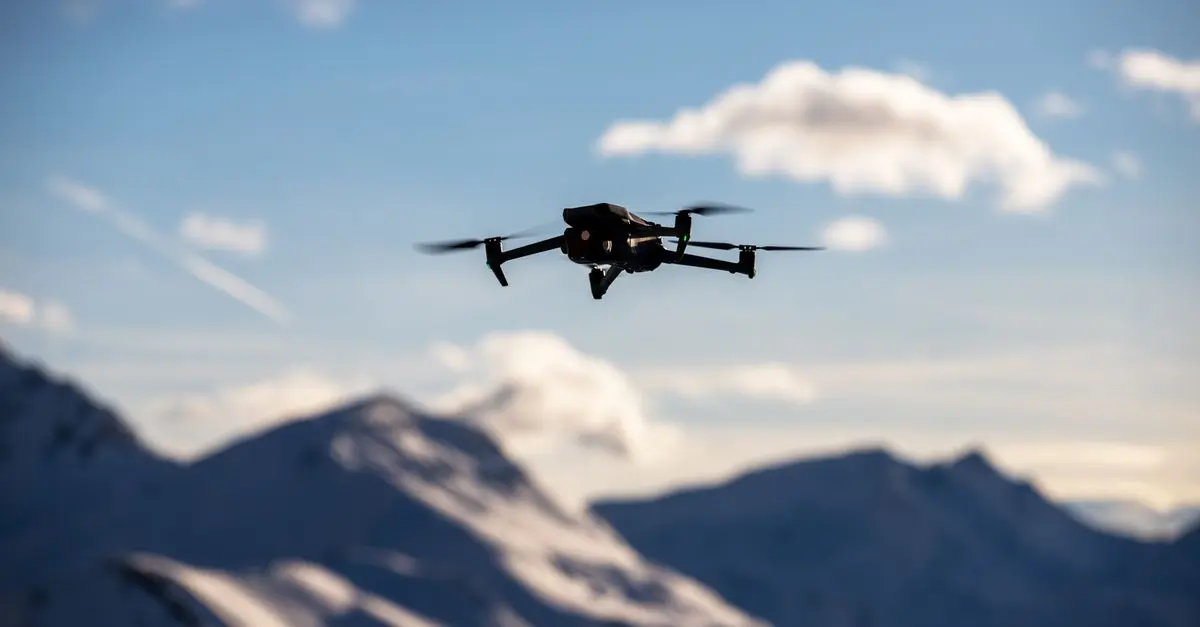
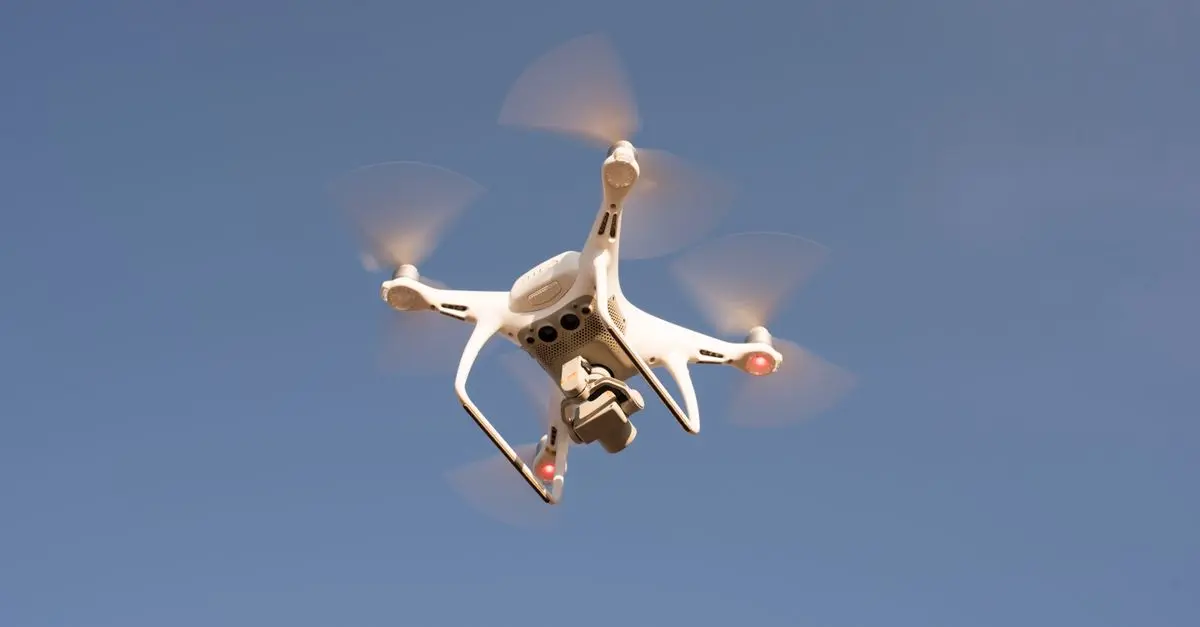
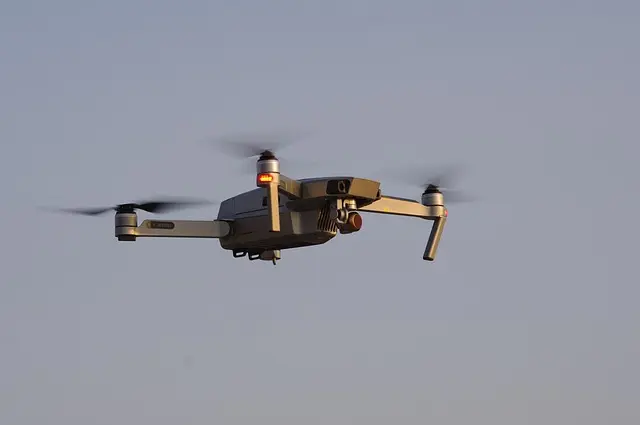
In 2026, drone technology innovations are at the forefront of changing numerous sectors worldwide, from transport and logistics to agriculture and surveillance. Drones have been evolving rapidly over the past few years, becoming smarter, more efficient, and more versatile. The incorporation of artificial intelligence (AI), improved battery life, and enhanced data analytics capabilities are driving these innovations, paving the way for unprecedented applications. By diving into the emerging technology that underpins these trends, we can better understand their implications for the future.
Information: What Are Drone Technology Innovations?
Drone technology innovations encompass advancements made in unmanned aerial vehicles (UAVs) designed to perform tasks with increased efficiency and effectiveness. These innovations can range from improved navigation systems and autonomous operation to enhanced imaging technologies and drone swarm capabilities. According to a report from the Association for Unmanned Vehicle Systems International, the drone industry is projected to grow to $100 billion by 2026, with numerous sectors incorporating UAVs into their operations. The importance of drones not only lies in their ability to reduce costs, increase operational efficiency, and provide data in real-time but also in their capability to augment human efforts in previously challenging situations, such as disaster response or agricultural monitoring.
Procedural: How to Implement Drone Technology in Your Business
To successfully implement drone technology in your business, follow these steps:
- Assess Your Needs: Evaluate your current operations and determine how drone technology can enhance productivity. For instance, if you are in logistics, consider how drones can assist with delivery services.
- Research Regulations: Familiarize yourself with local regulations regarding drone usage. Adhering to guidelines set forth by agencies like the Federal Aviation Administration (FAA) is crucial.
- Choose the Right Drone: Select a drone that aligns with the specific requirements of your use case, ensuring it has the necessary features, such as payload capacity or flight time.
- Train Your Team: Invest in training for your team members on drone operation and maintenance, which is essential for ensuring safety and compliance with regulations.
- Pilot Testing: Start with a pilot program to test the drone’s capabilities and analyze performance. Gather data to evaluate its impact on operational efficiency before full-scale implementation.
- Integration: Finally, integrate the drone technology into your existing systems, ensuring smooth collaboration between human and machine workflows.
Comparative: Drones vs. Traditional Methods
Here's a comparative analysis of using drones versus traditional methods for specific tasks:
| Criteria | Drones | Traditional Methods | Verdict |
|---|---|---|---|
| Speed | Fast delivery and data collection | Slower due to transportation needs | Drones outperform in speed |
| Cost Efficiency | Reduced labor and operational costs | Higher labor and logistics costs | Drones provide better cost efficiency |
| Flexibility | Can access hard-to-reach areas | Limited by terrain and logistics | Drones excel in accessibility |
| Data Collection | Real-time data analytics | Delayed data collection processes | Drones offer quicker insights |
Several key trends are shaping the future of drone technology in 2026:
- AI Integration: Drones equipped with AI capabilities can analyze data and make operational decisions in real-time, significantly improving efficiency and safety.
- Swarm Technology: Advances in swarm technology allow multiple drones to work collaboratively, creating a synchronized and effective way to perform tasks such as surveying large areas quickly.
- Battery Life Improvements: Innovations in battery technology, including solar-powered drones, are extending flight times, allowing for longer missions without the need for frequent recharges.
- Regulatory Changes: As governments recognize the benefits of drones, regulations are becoming more favorable, leading to widespread acceptance and implementation in various industries.
- Environmental Monitoring: Drones are increasingly used for monitoring environmental changes, climate impact assessments, and wildlife conservation efforts.
- Telecommunication Enhancements: Improved connectivity, including 5G technology, allows for seamless control and data transmission, enhancing operational capabilities.
According to industry reports, companies leveraging these trends are expected to see up to 30% increases in operational efficiency.
Q1: What industries benefit from drone technology?
A1: Industries such as agriculture, logistics, construction, and entertainment benefit significantly from drone technology innovations.
Q2: Are there regulations for flying drones?
A2: Yes, every country has specific regulations, notably by the FAA in the U.S., requiring licenses and adherence to defined airspace rules.
Q3: How do drones improve data collection?
A3: Drones equipped with advanced sensors can gather data in real-time, offering quicker insights compared to traditional methods that often involve delays.
Q4: Can I integrate drones into my business?
A4: Yes, by following a step-by-step implementation strategy, businesses can successfully integrate drone technology to enhance operations.
Glossary
| Term | Definition |
|---|---|
| Drone | An unmanned aerial vehicle used for various applications including surveying, delivery, and monitoring. |
| AI | Artificial intelligence, technology that enables machines to perform tasks that typically require human intelligence. |
| Swarm Technology | A method where multiple drones work collaboratively to complete tasks more efficiently. |
Checklist before Purchase
- [ ] Evaluate your operational needs
- [ ] Research regulations in your area
- [ ] Determine the appropriate drone type for your needs
- [ ] Invest in operator training
- [ ] Conduct a pilot test for performance analysis
🧠 Quiz rapide : What is the primary benefit of using drones in agriculture?
- A) Higher costs
- B) Slower data collection
- C) Improved crop monitoring
Réponse : C — Drones allow for efficient monitoring of crops, leading to better agricultural yield.
📺 Pour aller plus loin: Check out the latest developments in drone technology innovations on YouTube; search for "drone technology innovations 2026".
We have selected several products that can assist you in this new technological wave. Explore our recommendations below for tools that can enhance your experience with drone technology.
📺 Pour aller plus loin : drone technology innovations 2026 sur YouTube
Recommended products
Selected by our experts

BISSELL CleanView with OnePass Technology Plus Upright Bagless Vacuum Sienna 3583
bissell.com

Clinique Redness Solutions Makeup Broad Spectrum SPF 15 With Probiotic Technology, Calming Honey - 1 fl. oz./30 ml
clinique.com

PLAUD Inc. Plaud Note AI Voice Recorder, Voice Recorder w/Case, App Control, Transcribe & Summarize with AI Technology, Support 112 Languages, 64GB
plaud.ai
Nonin Medical NoninConnect™ Finger Pulse Oximeter with Bluetooth® Smart Wireless Technology
concordhealthsupply.com
Nonin Medical NoninConnect™ Finger Pulse Oximeter with Bluetooth® Smart Wireless Technology
concordhealthsupply.com