Table of Contents (19 sections)
Introduction to Drones
Drones, also known as unmanned aerial vehicles (UAVs), have become a pivotal element in various industries. Originally developed for military purposes, drones have evolved significantly and are now utilized in sectors ranging from agriculture to entertainment. In 2026, the market for drones is projected to grow at an astounding rate, reflecting their increasing importance in modern technology and society. According to Frost & Sullivan, the global drone market is expected to surpass $43 billion by the end of the decade. This growth is driven by innovations in technology that make drones more accessible and efficient for both personal and professional use.
Understanding the types of drones available is essential for anyone considering their application, be it for leisure, business, or research purposes. Each type of drone offers unique features and benefits tailored to specific use cases. This article aims to explore the various types of drones, their functions, and how they are changing the landscape of technology.
Types of Drones
Drones can be categorized based on their design, functionality, and intended use. Here are some of the prominent types:
1. Multirotor Drones
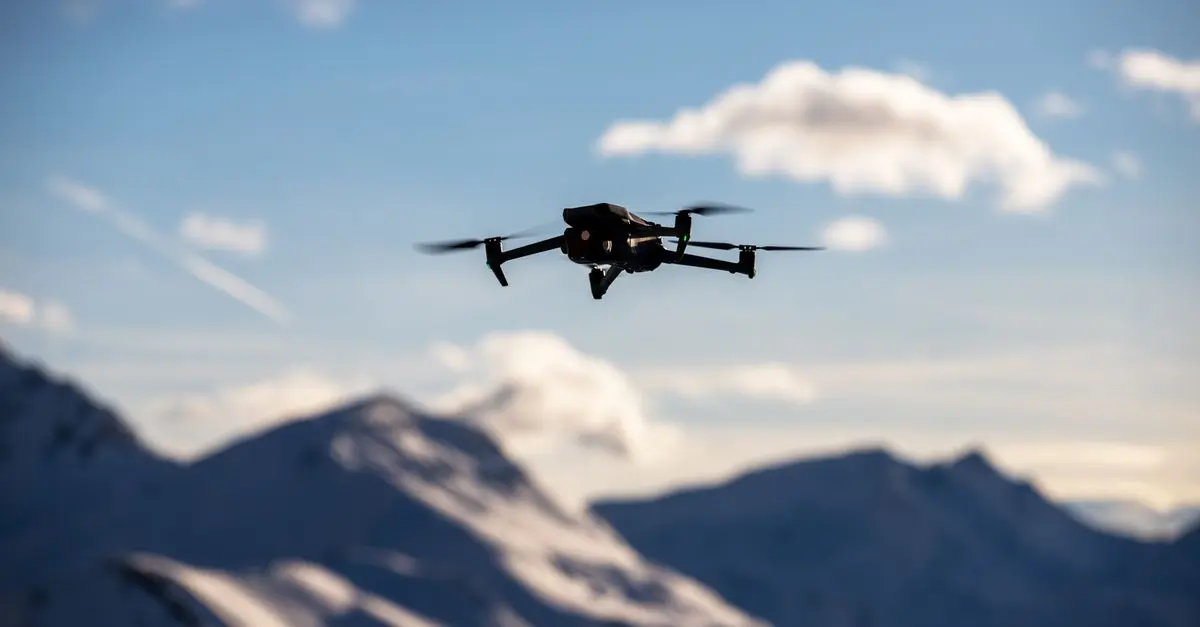
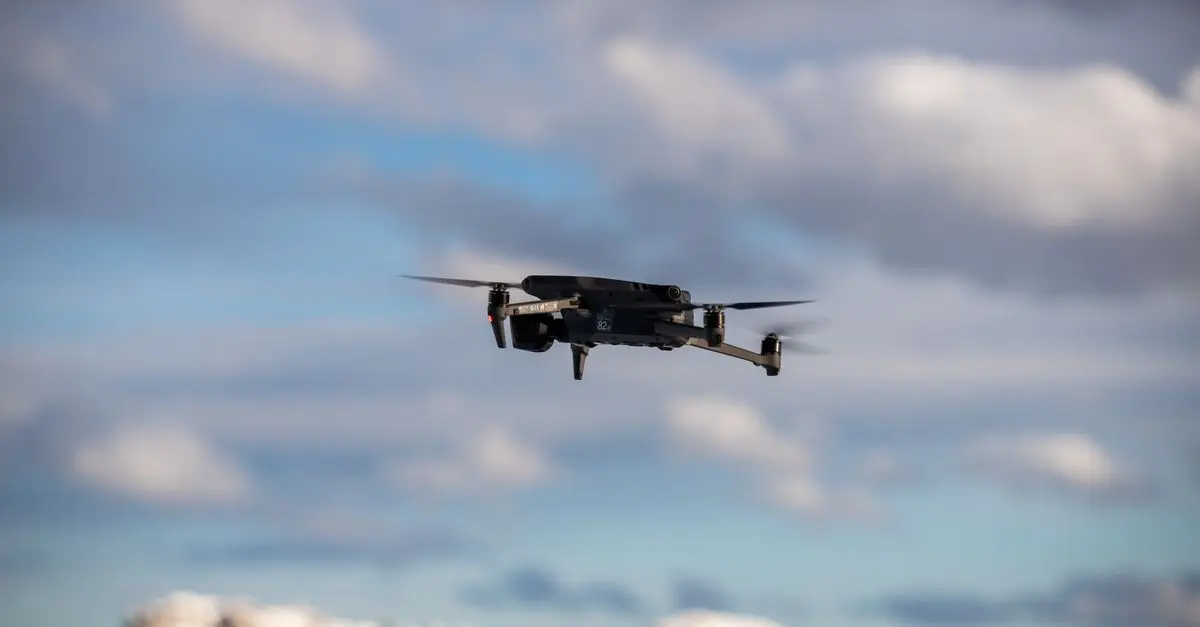
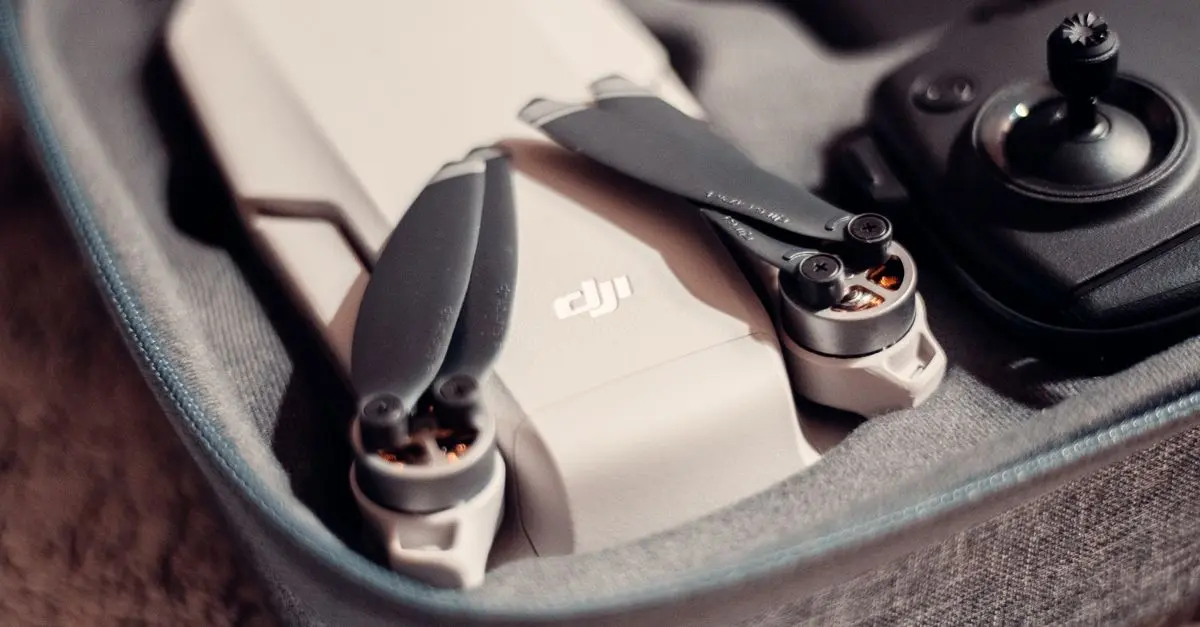
Multirotor drones are among the most common types on the market, especially for enthusiasts and photographers. They typically have four or more rotors, providing excellent stability and maneuverability. These drones are ideal for aerial photography and recreation due to their ability to hover in place and fly at low altitudes. For instance, popular brands like DJI manufacture multirotors that are user-friendly and packed with features.
2. Fixed-Wing Drones
Fixed-wing drones, in contrast, resemble traditional aircraft. They are better suited for long-distance flights and can cover more ground due to their aerodynamic design. These drones are commonly used for surveying, mapping, and agricultural monitoring. They tend to have longer flight times compared to multirotors, making them ideal for extensive land coverage. For example, senseFly produces fixed-wing drones specifically designed for industry applications such as agriculture and mining.
3. Single-Rotor Drones
Single-rotor drones combine characteristics of both multirotors and fixed-wing drones. They are often equipped with a large rotor like a helicopter, allowing them to carry heavier payloads and maintain excellent flight times. These drones are favored in professional applications like search and rescue operations and aerial surveys.
4. Hybrid Drones
Hybrid drones are a newer category that merges the capabilities of multirotor and fixed-wing designs. They can take off and land vertically like a multirotor yet transition to fixed-wing flight for efficiency in covering large areas. This adaptability makes them increasingly popular in logistical applications. Companies like Amazon are exploring hybrid technologies for future delivery systems.
How Drones Work
Understanding how drones operate is crucial to grasp their practical application. Drones are equipped with various sensors and technologies, including GPS, cameras, and accelerometers, enabling them to navigate and perform specific tasks. They communicate with a ground control station or pilot using radio signals, allowing for real-time control and feedback.
Most drones include built-in stability systems that help maintain balance during flight. For instance, multirotor drones use gyroscopes and accelerometers to achieve stable flight conditions. The user can control the drone's movements and monitor data through a connected mobile device or controller, making operations intuitive even for beginners.
Comparative Analysis of Drone Types
| Criteria | Multirotor Drones | Fixed-Wing Drones | Single-Rotor Drones | Hybrid Drones |
|---|---|---|---|---|
| Flight Time | 10-30 minutes | Up to 90 minutes | 20-50 minutes | Varies based on design |
| Payload Capacity | 0.5-5 kg | 5-20 kg | 2-10 kg | 5-15 kg |
| Best Use Case | Photography, recreation | Surveying, mapping | Search and rescue | Logistics, delivery |
| Cost Range | $150 - $2000 | $2000 - $50,000 | $1000 - $5000 | $3000 - $100,000 |
From the table above, it becomes clear that each type of drone has its strengths and weaknesses depending on the intended application. Multirotor drones are popular for their ease of use, while fixed-wing drones are preferred for long-range missions. Understanding these comparatives will help users select the best drone for their needs.
Trends and Future of Drones
As we look towards the future, drone technology is expected to continue evolving at a rapid pace. Trends such as automation and artificial intelligence (AI) are anticipated to revolutionize the way drones perform tasks. For example, drones equipped with AI can analyze data in real time, which is beneficial for industries such as agricultural monitoring and disaster management.
Moreover, companies like DJI and Autel Robotics are pioneering advancements in drone regulations and safety measures, ensuring the safe integration of drones into national airspaces. With anticipated global legislation, the ability for drones to operate autonomously is becoming more feasible, presenting endless possibilities for future applications.
Expert Insights
> 💡 Expert Insight: "The future of drones is not just about aerial photography anymore; it's about revolutionizing entire industries. For instance, agriculture is already seeing increased efficiency and yields due to drone technology – it’s a game changer!" - Dr. Emily Harris, Drone Technology Researcher.
FAQs
What are the primary uses of drones?
Drones are primarily used in fields such as photography, agriculture, construction, and logistics. They provide aerial views, survey large areas, and facilitate deliveries.
How long can drones fly?
Flight times vary by drone type. Multirotors typically fly for 10-30 minutes, while fixed-wing drones can sustain flights for up to 90 minutes.
Are drones safe to use?
Yes, when operated in compliance with regulations, drones are safe. It's essential to follow local laws and guidelines to ensure safety.
What is the average cost of a drone?
Costs can range widely based on type and purpose, from $150 for recreational models to $50,000 or more for professional fixed-wing drones.
Glossary
| Terme | Définition |
|---|---|
| Drone | Unmanned aerial vehicle (UAV) capable of controlled flight without a pilot. |
| Payload | The maximum weight a drone can carry while flying. |
| Autonomous Flight | Flight control without human intervention, using software and sensors. |
Checklist avant achat
- [ ] Déterminer l’usage prévu du drone
- [ ] Comparer les caractéristiques des drones
- [ ] Vérifier la réglementations locale
- [ ] Évaluer le coût de maintenance
- [ ] Consulter des avis experts et utilisateurs
📺 Ressource Vidéo
> 📺 For further exploration: “Understanding the Different Types of Drones”, an in-depth analysis on how to choose the right drone for your needs. Search on YouTube: types of drones 2026 analysis.
🧠 Quick Quiz: What type of drone is best for aerial photography?
- A) Multirotor
- B) Fixed-Wing
- C) Single-Rotor
Answer: A — Multirotors are specifically designed for stable flights, making them ideal for aerial photography.