Table of Contents (17 sections)
Flying drones in urban areas presents unique challenges and opportunities. As technology advances and drone capabilities expand, understanding the key considerations for operating in city landscapes becomes crucial. In this article, we will explore important factors to keep in mind when flying drones in urban settings, including regulations, safety, privacy, and more.
1. Understand Local Regulations
Compliance is Key
Before embarking on your drone flight, it’s essential to familiarize yourself with local regulations governing drone operation. Urban areas are often subject to stricter laws due to the higher risk of accidents and privacy violations. In the United States, the Federal Aviation Administration (FAA) sets guidelines for drone usage. Some cities may have additional restrictions, encompassing areas such as schools, hospitals, and densely populated neighborhoods. Always check local ordinances and consult resources like UAS Regulatory Assistance for up-to-date information on where and when you can fly. Failure to adhere to these regulations can lead to fines, confiscation of your drone, or even legal consequences.
2. Prioritize Safety
Risk Assessment
Safety should be your top priority when flying drones in urban areas. The presence of people, vehicles, and infrastructure increases the likelihood of accidents. Conducting a thorough risk assessment, such as identifying potential hazards and assessing weather conditions, is vital. Additionally, utilizing a pre-flight checklist can help mitigate risks. Ensure that your drone’s battery is charged, that the propellers are undamaged, and that emergency procedures are in place should something go wrong. Investing in safety gear, such as propeller guards, offers additional protection during urban flights.
3. Privacy Concerns
Navigating Personal Spaces
Flying drones in urban areas necessitates respect for privacy. It’s crucial to understand that recording individuals without their consent may violate laws in various jurisdictions. Always obtain permission before capturing images or footage of private properties. Familiarize yourself with the General Data Protection Regulation (GDPR) and similar privacy laws applicable in your area. Transparency is key; if you plan to film or photograph, consider notifying those affected and obtaining consent whenever possible. Establishing rapport with the community can also enhance your drone operation experience.
4. Choosing the Right Drone
Specifications Matter
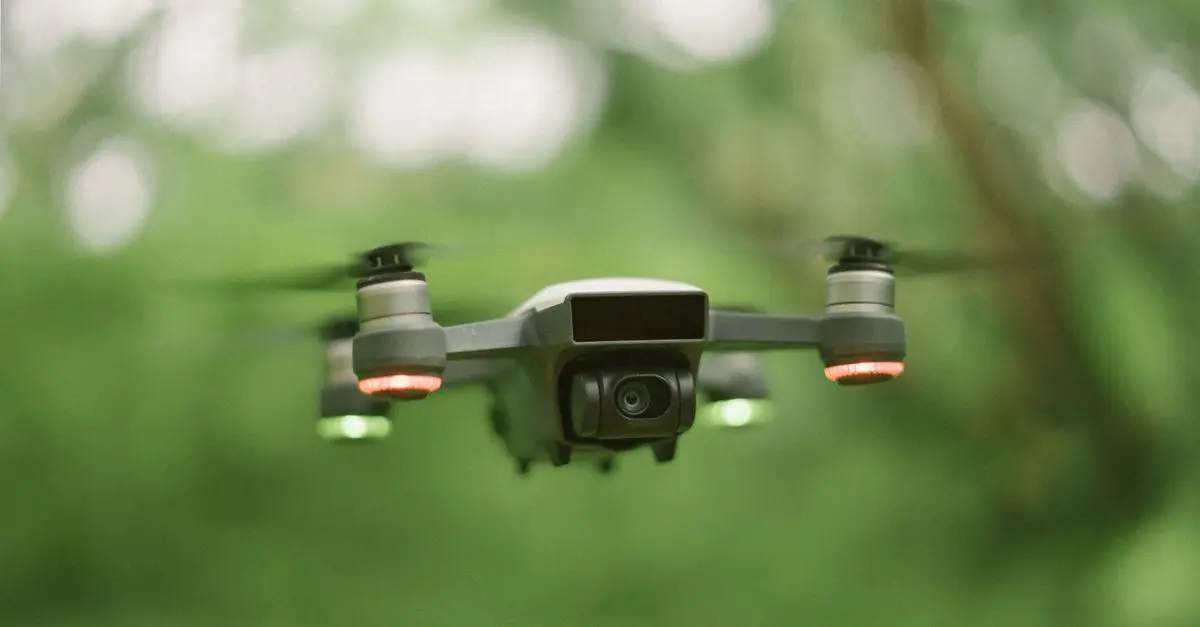
Selecting the appropriate drone for urban environments is critical. Certain features can enhance safety and performance in city landscapes. Drones equipped with obstacle avoidance systems, for instance, are valuable in navigating crowded areas. Look for drones with GPS functionality, which aids in maintaining orientation and avoiding restricted zones. Furthermore, battery life is a crucial factor; longer flight times allow for more versatility during operations. Brands like DJI and Autel Robotics offer a range of models suited for urban flying, providing excellent camera quality and robust stability.
5. Flight Paths and Planning
Strategic Routes
Mapping out your flight path is essential to ensure a smooth operation. Urban areas often have no-fly zones due to air traffic, tall buildings, and other obstructions. Utilize drone mapping tools and apps to plan safe and efficient routes. Apps like AirMap or DroneSense can provide real-time data and highlight restricted areas, ensuring that you stay compliant with regulations. Additionally, consider the time of day and flight duration, as these factors can significantly influence visibility and safety.
6. Dealing with Air Traffic
Understanding the Skies
In urban environments, it’s important to be aware of other aircraft. Drones can sometimes collide with manned aircraft, leading to disastrous consequences. Always be alert to possible air traffic and maintain visual line-of-sight with your drone. Utilizing flight tracking apps can help you avoid areas with high air traffic and keep your flight safe. Additionally, maintaining open communication with local air traffic control (ATC) can offer assistance in crowded urban areas.
7. Engaging with the Community
Build Relationships
Engaging positively with the communities you fly in can enhance your experience and acceptance as a drone operator. Consider joining local drone clubs or community forums. These connections provide valuable insights and opportunities for collaboration. Additionally, sharing your experiences and offering to help educate others about responsible drone flying can foster goodwill and understanding. When communities see the benefits and safety measures you uphold, they are more likely to support your flying endeavors.
Checklist for Flying Drones in Urban Areas
- [ ] Check local regulations
- [ ] Conduct a thorough risk assessment
- [ ] Obtain necessary permissions for privacy
- [ ] Choose the right drone with required specifications
- [ ] Plan your flight path carefully
- [ ] Monitor air traffic during your flight
- [ ] Engage with the local community
Glossary
| Term | Definition |
|---|---|
| FAA | Federal Aviation Administration, responsible for regulating civil aviation in the U.S. |
| GPS | Global Positioning System, a satellite-based navigation system used in drones. |
| GDPR | General Data Protection Regulation, a law designed to protect personal data in the EU. |
> 📺 For more insights: Explore best practices for drone flying in urban areas, search on YouTube: "best drone flying tips 2026".
🧠 Quick Quiz: What is the most important factor when flying drones in urban areas?
- A) Battery life
- B) Compliance with regulations
- C) Camera quality
Answer: B — Compliance ensures safety and legality.