Table of Contents (20 sections)
Creating your own drone can be an exciting and rewarding project. With advancements in technology and the accessibility of various components, building a drone has become more feasible than ever for enthusiasts and hobbyists. This guide will walk you through the necessary steps to build your own drone from scratch.
Introduction to Drones
A drone, also known as an unmanned aerial vehicle (UAV), is a versatile tool used in various industries, from filmmaking to surveying and even delivery services. The hobby of building your own drone allows for customization and personalization, giving you control over the functionalities you desire. According to the Federal Aviation Administration (FAA), the number of registered drones in the U.S. alone surpassed 1.7 million in 2025, showcasing the growing popularity and relevance of UAV technology.
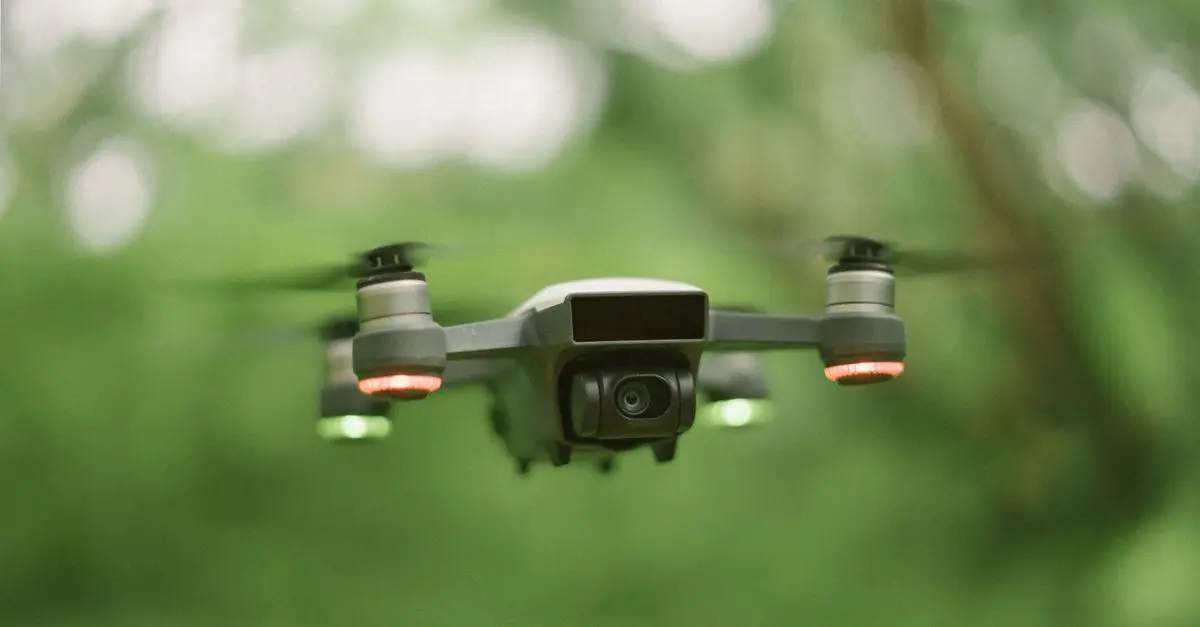
When considering building your own drone, it’s essential to understand the fundamental components, including the frame, motors, flight controller, and battery. Each of these elements plays a crucial role in the drone's performance, and familiarity will enhance your building experience.
Step-by-Step Guide to Building Your Drone
Step 1: Gather Necessary Components
Building your own drone starts with a solid understanding of the required components. At a minimum, you will need:
- Frame: The body of the drone, which comes in various sizes (e.g., quadcopters typically have four arms).
- Motors: Brushless motors are preferred for their efficiency and durability.
- Electronic Speed Controllers (ESC): These connect the motors with the battery and flight controller.
- Flight Controller: This is the brain of your drone, responsible for stabilizing flight.
- Battery: Typically, LiPo (Lithium Polymer) batteries provide the necessary power.
- Propellers: The size and type will depend on your drone design.
- Transmitter and Receiver: For remote control.
Pro Tip: Ensure that your frame can accommodate the size of your components. Measure dimensions carefully, and opt for a reputable manufacturer for your parts.
Step 2: Assemble the Frame
Start by assembling the frame. Stick to the instructions provided by the frame’s manufacturer, as improper assembly may lead to instability. Using screws and nuts from your kit ensures that each component is tightly secured. Ensure that the arms are parallel to allow even weight distribution, which is essential for stability in flight.
Step 3: Install Motors and ESCs
Once your frame is ready, install the motors on each arm. Be aware of the directional orientation; the propellers will spin in different directions depending on the motor’s placement. Attach the ESCs to the motors and secure them within the frame to avoid damage during flight. Proper soldering is crucial to prevent disconnection during operation, so take your time and ensure solid connections.
Step 4: Connect the Flight Controller
A well-situated flight controller will significantly enhance flight stability and responsiveness. Follow the wiring diagram that comes with your flight controller. Most controllers fit snugly onto the top of the frame. Make sure to secure it using mounting tape or screws, as movement might affect sensor readings. Once connected, calibrate the controller according to the manufacturer’s guidelines before flight tests.
Step 5: Attach Battery and Props
After securing all previous components, the next step is installing the battery securely. LiPo batteries can be volatile if not handled properly, so always follow safety guidelines during installation. Then, attach the propellers. Be cautious about the direction of spin; incorrect installation will prevent lift.
Step 6: Flight Tests
Before taking it outdoors, conduct a pre-flight check: ensure all components are functioning, and perform a range test with your transmitter. Start with short flight tests indoors for stability observation. Seek an open space for outdoors tests and avoid crowded areas.
Common Pitfall: Always maintain a visual line of sight with your drone during tests, and avoid flying in windy conditions for better control.
Comparing Drone Components
Here’s a comparative overview of essential components to consider when building your drone:
| Component | Option A | Option B | Option C | Verdict |
|---|---|---|---|---|
| Frame Material | Plastic | Carbon Fiber | Aluminum | Carbon Fiber is the best for durability and weight. |
| Motor Type | Brushed | Brushless | Coreless | Brushless motors are ideal for efficiency. |
Essential Data and Trends
According to a recent report by Statista, drone usage in various sectors is expected to grow by over 70% in the next few years, highlighting both the opportunity and necessity for individuals to get into drone building. The DIY drone market is projected to reach $1.5 billion by 2027 due to increasing hobbyist activities and more accessible technology.
What tools do I need to build my own drone?
To build your own drone, basic tools include a screwdriver set, soldering kit, and propeller balancing tools. Additionally, a heat shrink kit can be beneficial for wire management.
Is it legal to fly a drone that I built myself?
Yes, it is generally legal to fly a self-built drone, but regulations vary by location. Always check local laws and FAA regulations.
Can I program the flight controller?
Absolutely! Many flight controllers are open-source, allowing you to customize settings via software for enhanced capability.
What is the best battery for my drone?
The best battery depends on your drone’s size and motor requirements. LiPo batteries are common due to their high energy density. Look for reputable brands that fit your specifications.
Glossary
| Term | Definition |
|---|---|
| UAV | Unmanned Aerial Vehicle, commonly referred to as a drone. |
| Flight Controller | The component that processes input from sensors and stabilizes the drone during flight. |
| LiPo | Lithium Polymer, a type of battery known for its efficiency and power-to-weight ratio. |
Checklist before Flight
- [ ] Assemble components tightly
- [ ] Check motor direction
- [ ] Calibrate the flight controller
- [ ] Secure battery correctly
- [ ] Inspect propeller orientation
📺 For further exploration: Drone Building Basics for Beginners, a comprehensive analysis of UAV construction and design. Search on YouTube: how to build your own drone step by step 2026.
By following these comprehensive steps, you'll soon be in control of your very own custom-built drone, ready to explore the skies and appreciate the nuances of aerial technology. Happy flying!