Table of Contents (11 sections)
Introduction
The world of drone racing has rapidly evolved, embracing the technological innovations and cultural shifts of 2026. As this thrilling sport gains popularity, understanding the key trends driving its growth is essential for enthusiasts, pilots, and spectators alike. From AI integrations to sustainability efforts, the landscape is shifting dramatically. Let's dive into the significant drone racing trends of 2026 that are reshaping the future of this competitive arena.
Trend 1: Enhanced Drone Technology
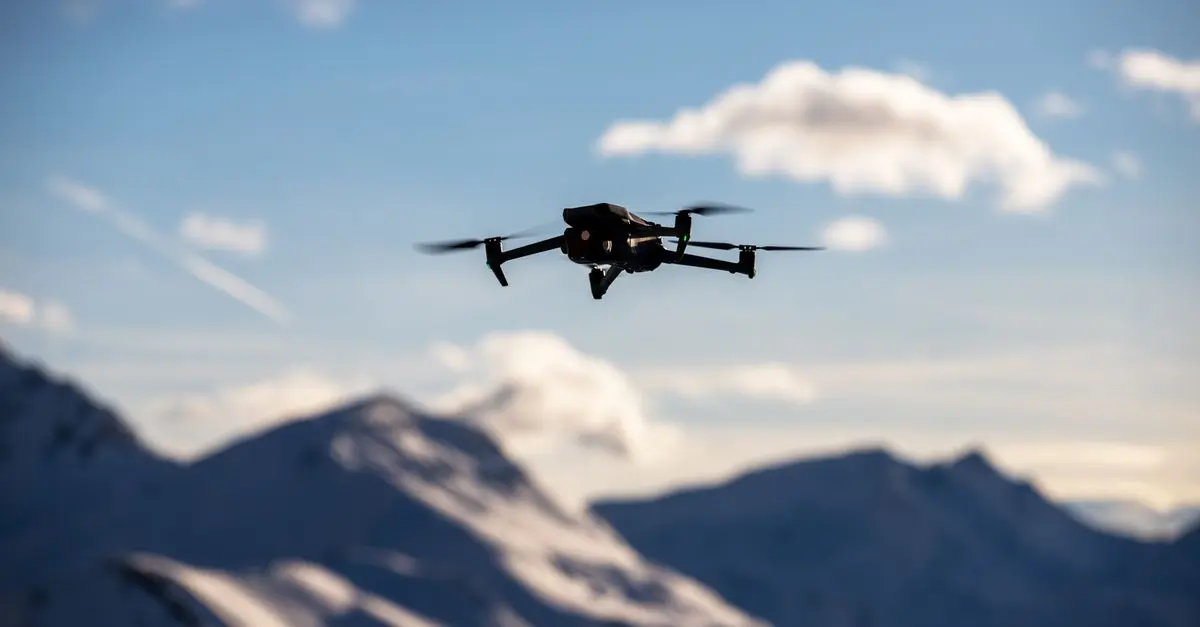
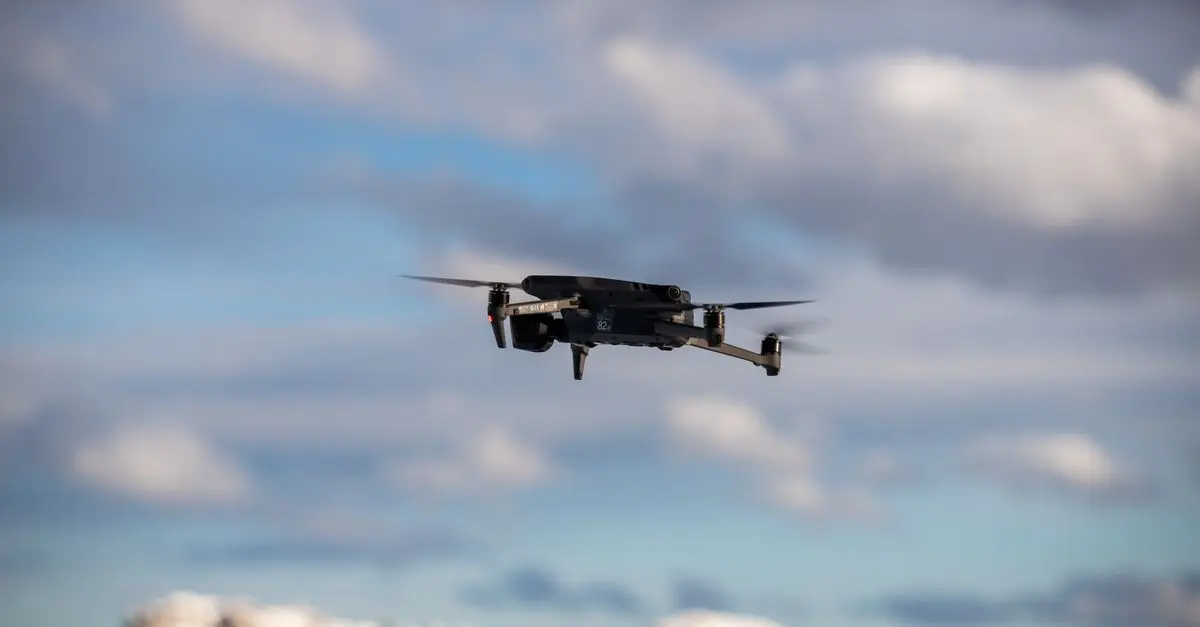
One of the most significant advancements influencing drone racing trends in 2026 is the rise of enhanced drone technology. Manufacturers are investing heavily in creating lighter, faster, and more resilient drones that can withstand the rigors of competitive racing. For example, the use of advanced materials such as carbon fiber composites has resulted in drones that are not only lightweight but also durable, allowing for high-speed maneuvers without compromising performance.
Furthermore, advancements in battery technology have contributed to longer flight times and quicker recharge capabilities, which are crucial in race scenarios. According to a recent survey, 87% of drone racers reported that improvements in battery life have significantly impacted their racing performance. These technological upgrades not only appeal to seasoned pilots but also attract newcomers who are eager to participate in a tech-driven environment. As drone technology continues to evolve, the capabilities and experiences of racers will undoubtedly enhance, paving the way for more thrilling competitions.
Trend 2: Increased Spectator Engagement
The spectator experience is undergoing a transformation, with organizations focusing on enhancing engagement during drone races. Drone racing leagues are integrating augmented reality (AR) and virtual reality (VR) to provide immersive experiences for fans. This technology enables spectators to view races from different angles and perspectives, creating a richer viewing experience.
In 2026, major events are implementing real-time data displays that allow fans to track drone speeds, battery levels, and pilot ranks instantly, thereby increasing excitement and engagement. For example, in 2025, the Drone Racing League introduced a live tracking feature, resulting in a 40% increase in live event attendance. This trend indicates a notable shift towards interactive viewing experiences, with more fans willing to participate and engage with the sport. The interaction between technology and fans is set to continue evolving, making drone racing one of the most exciting sports to watch.
Trend 3: Integration of AI Systems
Artificial intelligence plays an increasingly critical role in shaping the future of drone racing. In 2026, many competitors utilize AI systems for performance analysis and strategy optimization. By analyzing data collected during flights, pilots can refine their techniques and enhance their racing strategies. AI tools can also help predict potential risks and suggest maneuvers to avoid obstacles, significantly improving safety.
The integration of AI has made racing more competitive, with some racing leagues encouraging the use of autonomous drones in unofficial competitions. This development allows for the exploration of new racing dynamics, potentially revolutionizing traditional racing formats. The increasing reliance on AI in drone racing illustrates a significant trend toward data-driven decision-making, further blurring the lines between human and machine in competitive sports.
Trend 4: Expansion of Racing Events
As drone racing gains global appeal, 2026 sees a significant expansion in the number and diversity of events. Urban environments are becoming racing grounds as more city-based racing events are held, showcasing drone racing amid iconic backdrops. This trend caters to a broader audience and increases the sport's visibility, attracting sponsors and media coverage.
Moreover, grassroots events are flourishing as local clubs and organizations host competitions to foster community involvement and encourage new talent. The rise in popularity has led to events accommodating various skill levels, ensuring both amateurs and experienced racers can participate. By 2026, the number of registered drone racing events is projected to rise by 50%, highlighting the sport's increasing accessibility and appeal.
Trend 5: Sustainable Practices
With the sport's growth comes the responsibility to embrace sustainability. In 2026, drone racing organizations prioritize eco-friendly practices. Initiatives such as using recyclable materials for drones and minimizing energy consumption during events are gaining traction. For instance, several racing leagues are partnering with environmental groups to promote sustainability in drone production and event planning.
According to the Environmental Protection Agency (EPA), the drone industry has the potential to reduce carbon emissions by 45% by adopting green technologies and practices. As the community pushes towards sustainability, it reflects the growing trend among consumers who prioritize eco-conscious practices in all areas, including sports. The push toward sustainable drone racing not only improves public perception but also attracts environmentally-conscious sponsors and fans.
📺 Resource Video
> 📺 For further insights: Discover the future of drone racing in 2026 with expert opinions and detailed analyses. Search on YouTube for: 2026 drone racing trends.
- What are the main trends in drone racing for 2026?
2026 is seeing enhanced drone technology, increased spectator engagement through AR/VR, AI system integration, event expansion, and sustainable practices.
- How is technology influencing drone racing?
Technological enhancements, like lightweight materials and improved batteries, are crucial for competitive performance, making drones faster and more durable.
- Are there more events for drone racing in 2026?
Yes, the number of events is increasing significantly, with a focus on urban racing and grassroots competitions.
- How are organizations promoting sustainability in drone racing?
Sustainable practices include using recyclable materials and forming partnerships with environmental organizations to minimize the carbon footprint of events.
Glossary
| Term | Definition |
|---|---|
| Drone | An unmanned aerial vehicle governed by remote control or autonomously. |
| AR (Augmented Reality) | A technology that overlays digital information onto the real world, enhancing the user's perception. |
| AI (Artificial Intelligence) | Computer systems designed to perform tasks typically requiring human intelligence, such as decision-making and problem-solving. |
Checklist before participating
- [ ] Research the latest drone technology.
- [ ] Familiarize yourself with racing rules and regulations.
- [ ] Engage with local racing clubs for support.
- [ ] Explore spectator engagement techniques.
- [ ] Consider the environmental impact and choose sustainable practices.