Table of Contents (9 sections)
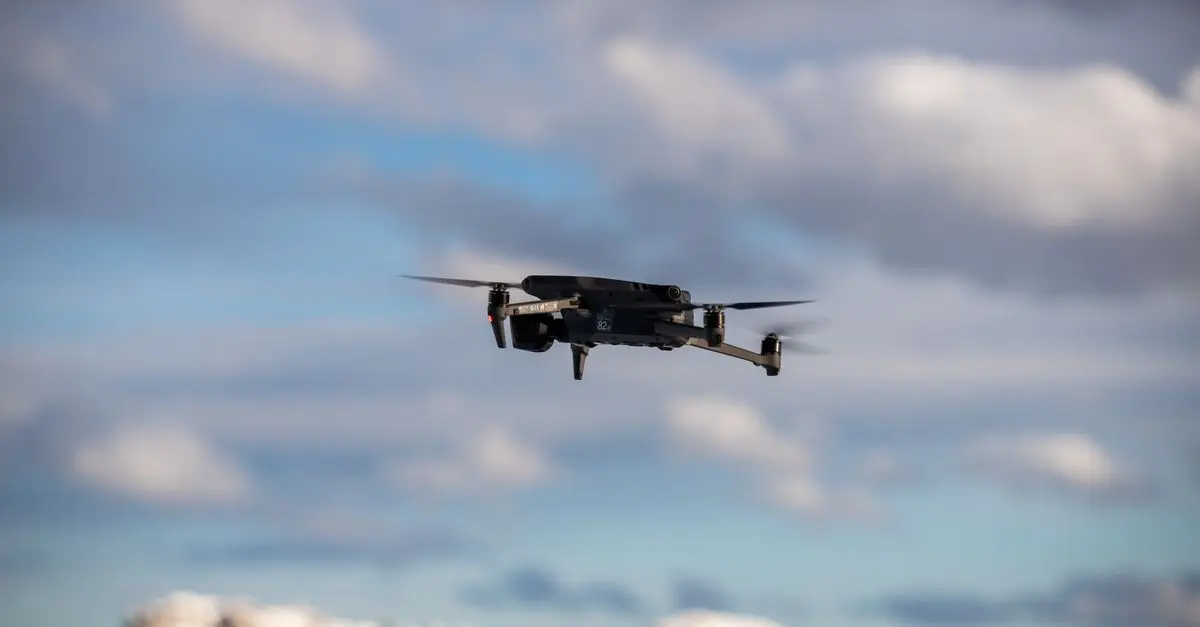
Drones have revolutionized various industries, from filmmaking to agriculture, but with their growing popularity comes the necessity for strict regulations. Understanding drone regulations is essential for any pilot wishing to operate safely and legally. These laws protect air traffic, ensure public safety, and help prevent accidents. In this guide, we'll delve into the critical regulations every drone pilot needs to be aware of.
What Are Drone Regulations?
Drone regulations refer to the laws and guidelines established by government authorities to manage the operation of unmanned aerial vehicles (UAVs). The primary body in the U.S. responsible for regulating drones is the Federal Aviation Administration (FAA). Regulations cover numerous aspects, including maximum altitudes, no-fly zones, operator certification, and registration requirements. Familiarity with these rules is crucial for pilots to avoid penalties or incidents.
For instance, according to the FAA, recreational drone operators must follow the Part 107 rules, which outline operational limits, including not flying above 400 feet and maintaining visual line-of-sight with the drone. These regulations aim to integrate drones safely into the national airspace system and maintain safety for manned aircraft and people on the ground. Data from the FAA indicates that compliance with these regulations has significantly reduced drone-related accidents in recent years, emphasizing the importance of adherence to these laws.
How to Comply with Drone Regulations: A Step-by-Step Guide
Understanding how to comply with drone regulations can sometimes seem daunting as rules can vary based on each state and the nature of drone use — commercial or recreational. Here’s a step-by-step approach to ensure compliance:
- Register Your Drone: In the U.S., any drone weighing over 0.55 pounds must be registered with the FAA. This registration is obtainable online and is vital to ensure accountability.
- Pass the Knowledge Test: For commercial drone operation, you need to pass the FAA’s Remote Pilot Certificate exam. This test evaluates your knowledge of airspace, regulations, and safety protocols.
- Understand No-Fly Zones: Familiarize yourself with where you can and can't fly. Use apps that indicate temporary flight restrictions or no-fly zones, often including flight advisories tailored to specific locations.
- Maintain Visual Line-of-Sight: Always keep your drone within your visual line-of-sight. This is a standard requirement ensuring you can react to any potential hazards in real time.
- Adhere to Operational Limits: Regulations typically state that you cannot fly above 400 feet in altitude and within 5 miles of an airport without notifying air traffic control. Staying within these limits is crucial for safety.
Keeping abreast of updates in regulations and community guidelines is also essential. Various organizations, such as the Academy of Model Aeronautics (AMA), provide resources to help pilots stay informed and connected with others in the drone flying community.
Side-by-Side Comparison of Drone Use Cases
Here’s a comparative overview of different drone use cases and regulations that apply:
| Use Case | Regulation Type | Key Requirements | Example of Operation |
|---|---|---|---|
| Recreational Use | Part 107 | Line-of-sight, <400ft altitude | Hobbyist flying in a park |
| Commercial Use | Part 107 | Remote Pilot Certificate, insurance | Aerial photography for events |
| Public Safety | Part 107, Local Regulations | Approval from local agencies | Law enforcement surveillance |
| Research Use | Part 107, Institutional Review | Adhere to educational institution rules | University conducted studies in wildlife protection |
Current Trends in Drone Regulations
As drone technology advances, regulations continue evolving to meet new challenges. One significant trend is the implementation of Remote Identification (Remote ID) requirements, aimed at ensuring that drones can be identified during flight to enhance safety and security. According to recent FAA regulations, new drones sold in the market must be equipped with Remote ID capabilities by September 2023, thereby allowing authorities to track and manage drone activities more efficiently.
Additionally, there is increasing focus on integrating drones into the airspace alongside crewmanned aircraft. Efforts are underway to create a comprehensive system that facilitates safe operational standards while allowing commercial drone delivery services to take flight. A report from the FAA indicated that drone deliveries could arrive in urban areas as early as 2026, highlighting the importance of adherence to evolving regulations as opportunities expand.
FAQs About Drone Regulations
Q: Do I need a license to fly a drone?
A: Yes, you need a Remote Pilot Certificate from the FAA for commercial operations. Recreational users do not require a license but must still comply with certain rules.
Q: Can I fly my drone at night?
A: Yes, but only if your drone is equipped with anti-collision lights and you follow the appropriate regulations established by the FAA.
Q: What should I do if I have a drone accident?
A: Report any accidents involving injury or property damage to the FAA and your local law enforcement as required by regulations.
Q: Are there specific areas where drones cannot be flown?
A: Yes, there are no-fly zones that include airports, military bases, and certain national parks where drone operation is prohibited.
💡 Expert Opinion:
> Ensuring adherence to drone regulations is of utmost importance for both safety and legality. As drone technology continues to evolve, staying informed will help mitigate risks and enhance the pilot's experience. Following the rules not only protects the operator but helps foster a positive perception of drone use in the population.
Checklist for Complying with Drone Regulations
- [ ] Register your drone with the FAA
- [ ] Acquire your Remote Pilot Certificate if needed
- [ ] Check no-fly zones before operating
- [ ] Keep your drone within visual line-of-sight
- [ ] Follow altitude restrictions
- [ ] Stay updated on ongoing regulation changes
Glossary
| Term | Definition |
|---|---|
| UAV | Unmanned Aerial Vehicle, commonly referred to as a drone. |
| Remote Pilot Certificate | A certification allowing individuals to operate drones for commercial purposes under FAA regulations. |
| No-Fly Zone | Areas where drone operation is restricted or prohibited due to safety regulations. |
> 📺 To go further: [Understanding Drone Safety Regulations], a comprehensive analysis of the steps to ensure safe drone operation. Search on YouTube:
drone safety regulations 2026.
In conclusion, understanding and adhering to drone regulations is essential for every drone pilot, whether for recreational or commercial purposes. Compliance not only ensures safety for all but also paves the way for innovative uses of drone technology in the future. Remember, flying responsibly is the best way to enjoy this technology!
Explore our recommendations below to find equipment that meets your drone needs!
📺 Pour aller plus loin : drone safety regulations 2026 sur YouTube
Recommended products
Selected by our experts

Odyssey Toys Smithsonian RC Space Shuttle Discovery Drone
sharperimage.com
A great option for beginners looking to get comfortable with drone flying while ensuring compliance with regulations.

Jupiter Creations Inc RC Rocket Drone
sharperimage.com
This product offers advanced features suitable for educational and professional use, aligning well with current regulations.