Table of Contents (16 sections)
As urban populations continue to swell, cities face unprecedented challenges in transportation and mobility. Drone technology has emerged as a pioneering solution, addressing issues such as traffic congestion, pollution, and inefficient logistics. The integration of drones into urban transport systems is not just a trend; it marks a pivotal shift that promises to enhance how people and goods move within cities. In this article, we delve into how drone technology is shaping the future of urban mobility, discussing its benefits, applications, and the potential it holds for our urban landscapes.
What Is Drone Technology in Urban Mobility?
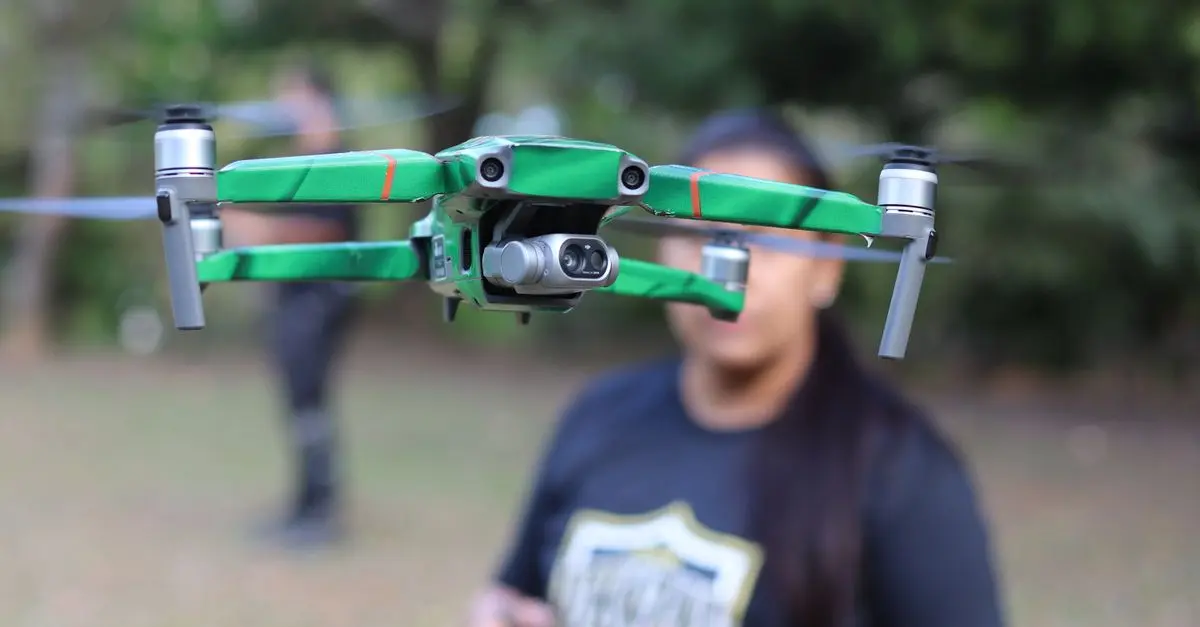
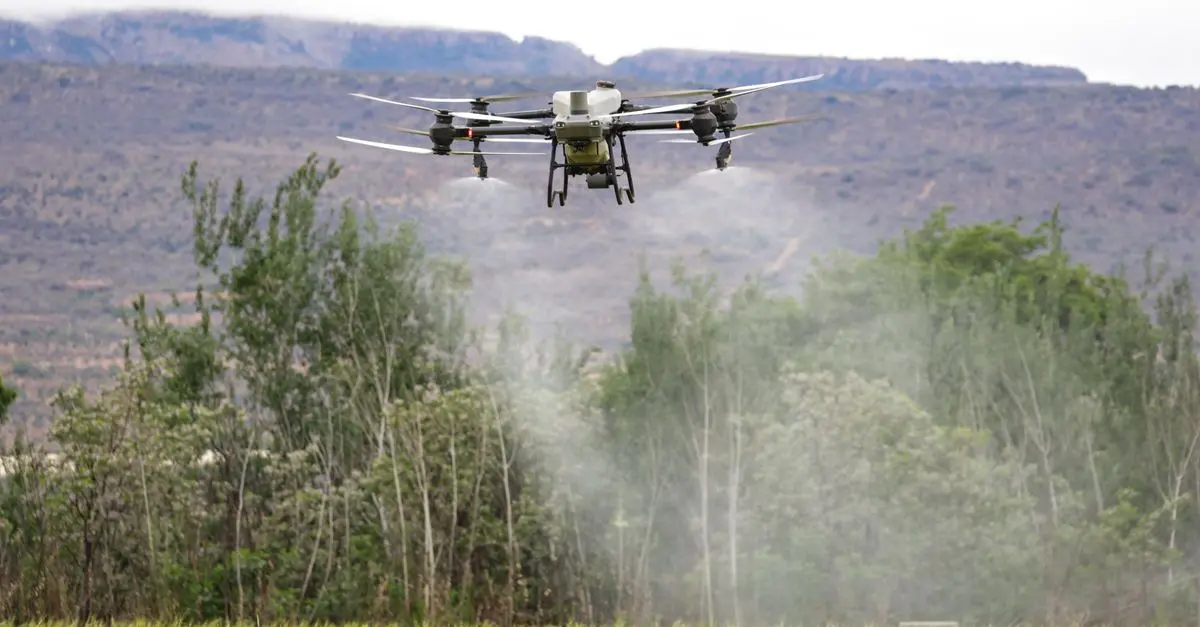
Drone technology refers to the use of unmanned aerial vehicles (UAVs) for a variety of applications, including transportation, delivery, and surveillance. In the context of urban mobility, drones are increasingly being considered for several key applications:
- Parcel Delivery: Companies are leveraging drones for last-mile delivery to enhance speed and efficiency.
- Passenger Transport: The concept of using drones as air taxis is becoming a reality, with several companies testing prototypes.
- Surveillance and Monitoring: Drones are also used for traffic monitoring and urban planning.
The relevance of drone technology in urban settings cannot be overstated. According to Gartner, nearly 80% of logistics companies plan to integrate drone technology into their operations by 2026. The ability of drones to navigate traffic and reach destinations directly correlates with faster delivery times and lower carbon footprints, tackling one of the most pressing issues of city life today.
The Procedural Aspects of Implementing Drone Technology
How to Integrate Drones into Urban Mobility Systems
Integrating drone technology into urban mobility requires a comprehensive approach that includes regulation, infrastructure, and public buy-in. Here’s a step-by-step look at the process:
- Regulatory Framework: Establishing regulations for drone operations is crucial. This includes developing guidelines for air traffic, safety measures, and privacy concerns.
- Infrastructure Development: Urban areas need designated take-off and landing zones, which might include drone ports or sky lanes dedicated to drone traffic.
- System Integration: Existing transportation systems, such as public transport networks and logistics facilities, need to integrate with drone operations.
- Public Engagement: Educating residents about drone use and addressing concerns about noise and safety can help foster acceptance.
Efforts are already in place around the world, with cities like Dubai and Los Angeles leading the way. In Dubai, the Roads and Transport Authority is already testing passenger drones, aiming to establish a fully operational air taxi system.
Comparative Analysis: Drones vs. Traditional Transportation
To better understand the impact of drone technology, it's essential to compare it with traditional transportation solutions. Below is a comparison table that highlights the key differences:
| Criteria | Drones | Traditional Transport | Verdict |
|---|---|---|---|
| Speed | Faster delivery (15-30 mins) | Slower due to traffic | Drones are superior in speed. |
| Cost | Lower operating costs | Higher fuel and maintenance | Drones offer cost advantages. |
| Emissions | Zero emissions during operation | Significant carbon footprint | Drones are more environmentally friendly. |
| Accessibility | Reaches remote areas easily | Limited by infrastructure | Drones provide better access. |
Data-Driven Insights on Drone Adoption
The adoption of drone technology in urban mobility is backed by significant statistical insights. According to Statista, the global commercial drone market is expected to surpass $43 billion by 2024, driven by demand for logistics, surveillance, and delivery services. Furthermore, a study conducted by Nielsen indicates that 67% of Americans are interested in using drones for package delivery, showcasing a high level of consumer acceptance for UAV services. As urban areas continue to expand, the demand for efficient, sustainable transportation solutions will only grow, further validating the role of drones in urban mobility.
Expert Opinions on the Future of Drones in Urban Mobility
> 💡 Expert Insight: The revolution in urban mobility will be heavily influenced by advances in drone technology. As cities become more congested, the use of drones will emerge as an essential service, not just a convenience. — Dr. Amanda Carter, Transportation Technology Expert.
Frequently Asked Questions
Q1: What are the main benefits of using drones in urban transport?
A1: The main benefits include faster delivery times, reduced traffic congestion, and lower environmental impact.
Q2: How do drones influence urban planning?
A2: Drones provide real-time data for urban planners, helping them make informed decisions about infrastructure and public transportation systems.
Q3: Are there safety concerns associated with drone operations in cities?
A3: Yes, safety concerns such as mid-air collisions and privacy are significant challenges that regulators are working to address.
Q4: When can we expect to see air taxis operating in cities?
A4: While testing is ongoing, several companies aim to launch air taxi services by the late 2020s.
📺 For Further Exploration
> [Watch this insightful video on the future of drones in urban commuting], which discusses emerging trends and technologies. Search YouTube: "drone technology in urban mobility 2026".
Glossary
| Term | Definition |
|---|---|
| Drone | An unmanned aerial vehicle used for various applications, including delivery and transport. |
| Urban Mobility | The movement of people and goods within urban areas, focusing on sustainable transportation solutions. |
| UAV | Unmanned Aerial Vehicle, a type of drone operated without a human pilot onboard. |
Checklist Before Adopting Drone Solutions
- [ ] Verify regulatory compliance in your area.
- [ ] Identify potential drone operators interested in partnerships.
- [ ] Assess infrastructure needs for drone operations.
- [ ] Gather public feedback on drone initiatives.
- [ ] Monitor emerging technologies in drone applications.
In conclusion, as drone technology continues to advance, its role in transforming urban mobility becomes increasingly clear. From enhancing logistics and transport efficacy to reducing carbon footprints, drones represent the next frontier in urban transportation solutions. As cities gear up for this revolution, it is essential to stay informed and engaged with these technological shifts.
💡 To discover tailored options that can elevate your understanding of drone technology and its applications, check our curated products below.
📺 Pour aller plus loin : drone technology in urban mobility 2026 sur YouTube
Recommended products
Selected by our experts
Fly Drones Like a Pro – Beginner to Intermediate
Alison US CA
This resource offers essential knowledge for individuals wanting to understand how to operate drones professionally.
Introduction to Drones
Alison US CA
A great introductory course designed for newcomers to the world of drones and their applications in various fields.