Table of Contents (11 sections)
Drone technology is transforming logistics in unprecedented ways, reshaping how goods are delivered and revolutionizing supply chain management. With the increase in global online shopping and the pressing need for faster delivery, businesses are looking at drones as a key solution to optimize logistics. By incorporating drones into their operations, companies enhance efficiency, reduce costs, and improve customer satisfaction. This article explores the impact of drone technology in logistics, providing insights into its advantages, challenges, and future trends.
What is Drone Technology in Logistics?
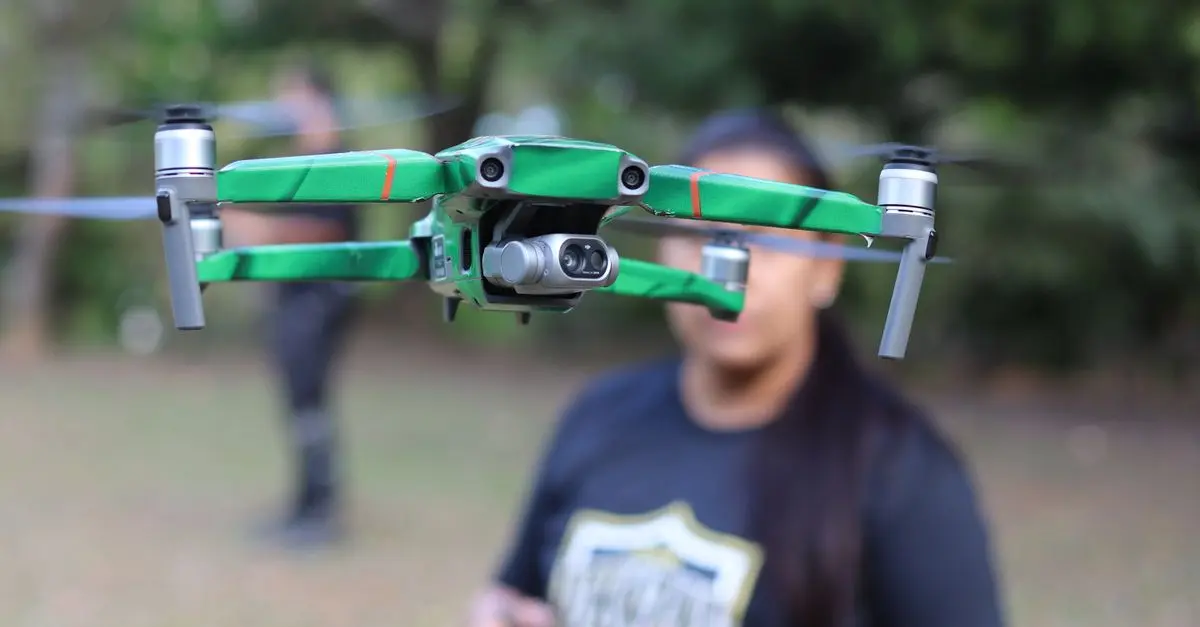
Drone technology refers to the use of unmanned aerial vehicles (UAVs) to transport goods, enable monitoring, and automate processes in logistics. Drones are being progressively integrated into shipping, warehousing, and inventory management, allowing for rapid deliveries and precise tracking of parcels. According to a report by AUVSI, the drone delivery market is projected to grow significantly, potentially reaching 29 billion USD by 2026. The shift towards drones is driven by the need for efficiency and cost-effectiveness, especially in urban environments where traffic congestion can delay traditional delivery methods.
In the logistics sector, drone applications include:
- Last-Mile Deliveries: Drones can navigate urban landscapes to deliver products directly to customers, overcoming traffic issues.
- Inventory Management: Drones equipped with scanning technology can manage inventory in warehouses, counting stock quickly and accurately.
- Transportation of Medical Supplies: Drones are increasingly used for transporting essential medical supplies in emergencies, reaching otherwise inaccessible areas.
How Drone Technology Improves Logistics Efficiency
Integrating drone technology into logistics enhances operational efficiency. The use of drones allows for reduced delivery times and costs. For instance, Amazon, through its Prime Air service, aims to deliver packages to customers in 30 minutes or less using drones.
Here are several ways in which drones improve logistics:
- Speed: Drones can bypass ground traffic and deliver goods in record time, especially in dense urban areas.
- Cost Reduction: By lowering labor costs and minimizing vehicle maintenance expenses, drones enable companies to lower delivery costs significantly.
- Energy Efficiency: Drones typically consume less fuel compared to traditional delivery vehicles, making them more environmentally friendly.
- Increased Accessibility: Drones can reach remote or hard-to-access areas where ground transportation is challenging, improving service levels in less accessible regions.

PLAUD Inc. Plaud Note AI Voice Recorder, Voice Recorder w/Case, App Control, Transcribe & Summarize with AI Technology, Support 112 Languages, 64GB
plaud.ai
Nonin Medical NoninConnect™ Finger Pulse Oximeter with Bluetooth® Smart Wireless Technology
concordhealthsupply.com

Milwaukee Leather 7.4V Men's True All Seasons Leather Jacket with Heated and Cool Technology
thewarmingstore.com
Comparing Delivery Methods: Drones vs. Traditional Logistics
To understand the value drones bring to logistics, it's essential to compare them with traditional delivery methods. The table below highlights the key differences:
| Criteria | Drones | Traditional Delivery Methods | Verdict |
|---|---|---|---|
| Speed | Rapid delivery | Slower due to traffic | Drones are superior |
| Cost | Lower operational cost | Higher due to labor/vehicles | Drones provide savings |
| Accessibility | Reaches remote areas | Limited to roads | Drones excel |
| Environmental Impact | Lower emissions | Higher from vehicles | Drones are more eco-friendly |
Challenges in Implementing Drone Logistics
Despite the advantages, there are significant challenges facing the adoption of drone technology in logistics. These include regulatory hurdles, safety concerns, and technological limitations. Governments around the world are working to formulate regulations that ensure safe drone operations in public airspace. According to the Federal Aviation Administration (FAA), regulations must evolve to cover various aspects of drone operations, including delivery routes and air traffic management.
Safety is another concern, as drones can malfunction or collide with obstacles, posing risks to people and property. Additionally, the current technology limits the payload capacity of drones, restricting them to carrying lightweight packages. Companies must invest in research and development to enhance the capabilities of drones while ensuring compliance with safety regulations.
Future Trends in Drone Technology for Logistics
Looking ahead, the growth prospects for drone technology in logistics are promising. As technology continues to evolve, we can expect several trends:
- Increased Automation: Integration with artificial intelligence (AI) will enable smarter delivery route planning and improved package tracking systems.
- Expanded Use Cases: Beyond retail, sectors such as agriculture and healthcare will increasingly benefit from drone logistics.
- Enhanced Collaboration: Partnerships between logistics providers and drone manufacturers will result in tailored solutions to meet specific industry needs.
The logistics sector is on the threshold of a radical transformation driven by drone technology, enhancing efficiency and customer experiences.
📺 Resource Video
> 📺 For deeper insights: How Drones Are Changing Delivery Services examines the impact of drone technology on the logistics industry. Search on YouTube for: "drone delivery logistics 2026".


Samsung Laundry Dryer with AI Control and Heat Pump Technology in White(DV25FG62B0BEA2)
samsung.com
Expert Opinion
> 💡 Expert Insight: "As drone technology advances, its role in logistics will only grow. Companies adopting this technology now will not just lead in delivery efficiency but also shape consumer expectations. The future of logistics is airborne." - Logistics Expert
Checklist before Integrating Drones in Logistics
- [ ] Understand the regulatory landscape.
- [ ] Assess the logistical needs of the business.
- [ ] Evaluate the technology available.
- [ ] Develop safety protocols for drone operations.
- [ ] Implement a training program for staff.
Glossary
| Term | Definition |
|---|---|
| Drone | An unmanned aerial vehicle used for various operations. |
| Logistics | The detailed coordination of complex operations involving people, facilities, and supplies. |
| Last-Mile Delivery | The final step of the delivery process, where goods are delivered to the customer.
Recommended products
Selected by our experts

Samsung Front Load Washer & Dryer Set with Vibration Reduction Technology+ and Sensor Dry in White(BNDL-1603912197302)
samsung.com

BISSELL CleanView with OnePass Technology Plus Upright Bagless Vacuum Sienna 3583
bissell.com

Clinique Redness Solutions Makeup Broad Spectrum SPF 15 With Probiotic Technology, Calming Honey - 1 fl. oz./30 ml
clinique.com
Nonin Medical NoninConnect™ Finger Pulse Oximeter with Bluetooth® Smart Wireless Technology
concordhealthsupply.com

Plaud NotePin AI Voice Recorder, Voice Recorder with Neck Strap Lanyard, Transcribe & Summarize with AI Technology, 64GB Memory
plaud.ai