Table of Contents (16 sections)
In recent years, drone technology has emerged as a revolutionary force in the field of agriculture. Farmers are increasingly turning to drones not just for enhanced aerial perspectives, but also for data collection, monitoring, and precise application of resources. This technological advancement has the potential to optimize farming operations significantly, leading to increased productivity and sustainability. As we move forward, understanding these advancements and their implications for agricultural practices becomes essential.
What is Drone Technology in Agriculture?
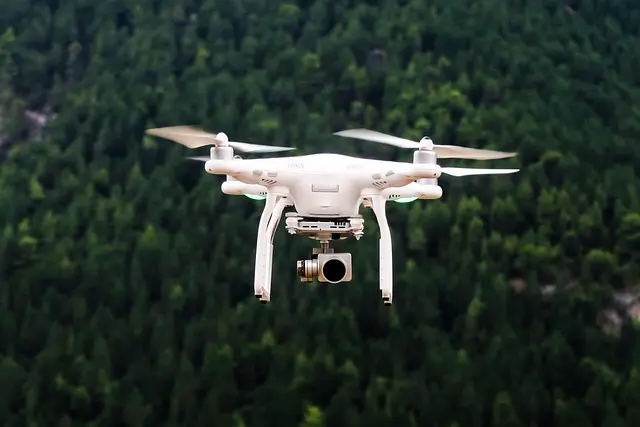
Drone technology in agriculture refers to the use of unmanned aerial vehicles (UAVs) equipped with sensors, cameras, and various data-gathering tools to monitor and manage farmland. Drones can be utilized to perform a variety of tasks such as crop monitoring, soil analysis, mapping, and even applying fertilizers or pesticides. Drones offer farmers a bird's-eye view, allowing them to assess their fields and crops with unprecedented detail. By capturing high-resolution images, drones can identify issues like pest infestations, disease outbreaks, and irrigation problems promptly.
This technological integration helps farmers make better, data-driven decisions. For instance, a study published by The American Society of Agricultural and Biological Engineers highlighted that using drones for crop surveys could improve yield estimation accuracy by up to 20%. Additionally, precision agriculture methods enable the optimization of resources, leading to reduced input costs and increased profitability for farmers. Overall, the role of drones in agriculture represents a significant leap towards more efficient and data-focused farming practices.
How is Drone Technology Used in Agricultural Practices?
The application of drone technology in agriculture is vast and varied. Here’s how it typically works:
- Aerial Monitoring: Drones are used to conduct aerial surveys of farms, providing farmers a clear overview of their crop health. These surveys can reveal problem areas such as drought-stricken zones or patches impacted by pests, enabling targeted intervention.
- Soil and Field Analysis: By utilizing imaging technology, drones can analyze soil topography and areas of varying nutrients. This data helps farmers implement precision agriculture techniques which enhance productivity while using fewer resources.
- Crop Spraying: Drones can efficiently spray fertilizers and pesticides, allowing for precise application that minimizes waste and impact on non-target areas. This method not only saves on chemicals but also reduces the time and labor involved compared to traditional spraying methods.
- Mapping and Planning: Drones create detailed maps of farmland, which help in planning crop rotation, irrigation scheduling, and land management. By analyzing these maps, farmers can determine appropriate planting times based on soil conditions and crop needs.
Key Benefits of Using Drones in Agriculture
Implementing drone technology in farming practices brings several distinct advantages:
- Cost Efficiency: Automation through drones minimizes labor costs and reduces the usage of chemicals, which directly translates to cost savings.
- Data-Driven Decisions: Farmers can collect real-time data to make informed decisions, improving overall farm management.
- Time-Saving: Drones can cover vast areas much quicker than manual inspections, allowing farmers to focus on other critical tasks.
- Sustainability: Targeted interventions reduce waste and environmental impact, promoting sustainable farming practices.

Milwaukee Leather 7.4V Men's True All Seasons Leather Jacket with Heated and Cool Technology
thewarmingstore.com


Comparison: Traditional Methods vs. Drone-Assisted Agriculture
| Criteria | Traditional Methods | Drone-Assisted Agriculture | Verdict |
|---|---|---|---|
| Cost | Higher operational costs | Lower chemical and labor costs | More efficient |
| Accuracy | Limited to visual checks | High-resolution data | Superior decision-making |
| Time Efficiency | Slow field inspections | Rapid data collection | Drastically faster |
| Environmental Impact | Higher due to excess usage | Lower through precision use | More sustainable |
From the table above, it is evident that drone-assisted agriculture provides significant benefits over traditional methods, especially regarding efficiency, cost-effectiveness, and sustainability.
Statistical Insights into Drone Technology in Agriculture
Recent studies reveal that the adoption of drone technology in agricultural practices has notable growth:
- In 2025, the global agricultural drone market was valued at approximately $1.2 billion, with an expected growth rate of 30% annually as more farmers harness UAVs in their operations.
- According to data from the International Journal of Agricultural Management, 75% of farmers using drones reported improved productivity and reduced costs within the first year of implementation.
These statistics illustrate the accelerating adoption and positive impacts of drones in agriculture, which is becoming an integral part of modern farming strategies.
Expert Opinion
> 💡 Expert Insight: The integration of drone technology within agricultural frameworks is not merely a trend but a paradigm shift. As the industry continues to innovate, embracing technologies such as AI and machine learning in conjunction with drones will further enhance data analysis capabilities, driving more effective and sustainable farming practices. — Dr. Emily Thompson, Agronomy Expert
📺 Resource Video
> 📺 For deeper insights: Discover how drone technology is transforming agriculture practices, examples of drone applications in farming. Search on YouTube for: “drone technology in agriculture 2026”.
Samsung Laundry Dryer with AI Control and Heat Pump Technology in White(DV25FG62B0BEA2)
samsung.com

Samsung Front Load Washer & Dryer Set with Vibration Reduction Technology+ and Sensor Dry in White(BNDL-1603912197302)
samsung.com

BISSELL CleanView with OnePass Technology Plus Upright Bagless Vacuum Sienna 3583
bissell.com
Frequently Asked Questions (FAQ)
What are drones used for in agriculture?
Drones are primarily used in agriculture for crop monitoring, soil analysis, mapping, and targeted spraying of fertilizers and pesticides.
How do drones improve efficiency in farming?
Drones can quickly survey large areas, provide real-time data to farmers, and enable precise resource application, all of which save time and reduce costs.
Are drones cost-effective for small farms?
Yes, drones can be cost-effective even for small farms, as they reduce the need for extensive labor and input costs while improving crop production accuracy.
What are the future trends for drones in agriculture?
The integration of AI and automated systems in drones for precision agriculture is expected to grow, enhancing data analysis and real-time decision-making for farmers.
Checklist Before Buying a Drone for Agriculture
- [ ] Determine your farm size and needs.
- [ ] Research available drone types suitable for agriculture.
- [ ] Check regulations and requirements for drone usage in your area.
- [ ] Compare drone features, including camera types and flight times.
- [ ] Plan for training or certification to operate drone technology effectively.
Glossary
| Term | Definition |
|---|---|
| UAV | Unmanned Aerial Vehicle, a drone capable of flying without a pilot. |
| Precision Agriculture | Farming management concept that utilizes technology for efficient resource use. |
| Aerial Surveillance | The use of drones to gather visual and data insights about crops and land. |
Conclusion
In conclusion, the advent of drone technology in agriculture marks a significant step towards modernizing farming practices. The benefits extended by this technology not only enhance productivity but also promote sustainable methods that are critical in today's environmental climate. Farmers looking to improve their agricultural practices should seriously consider integrating drones into their operations.
For those interested, we have selected several suitable products to enhance your agricultural journey with drone technology. Explore them below!
📺 Pour aller plus loin : drone technology in agriculture 2026 sur YouTube
Recommended products
Selected by our experts

Clinique Redness Solutions Makeup Broad Spectrum SPF 15 With Probiotic Technology, Calming Honey - 1 fl. oz./30 ml
clinique.com

PLAUD Inc. Plaud Note AI Voice Recorder, Voice Recorder w/Case, App Control, Transcribe & Summarize with AI Technology, Support 112 Languages, 64GB
plaud.ai
Nonin Medical NoninConnect™ Finger Pulse Oximeter with Bluetooth® Smart Wireless Technology
concordhealthsupply.com
Nonin Medical NoninConnect™ Finger Pulse Oximeter with Bluetooth® Smart Wireless Technology
concordhealthsupply.com

Plaud NotePin AI Voice Recorder, Voice Recorder with Neck Strap Lanyard, Transcribe & Summarize with AI Technology, 64GB Memory
plaud.ai