Table of Contents (19 sections)
Aerial photography has always intrigued photographers and the general public alike, offering views and perspectives that are otherwise difficult to capture. As we move further into a digital age, drone technology is revolutionizing this field by providing innovative solutions that enhance artistic expression and accessibility. In this article, we will delve into how drone technology is transforming aerial photography, the benefits it offers, and practical insights on how to integrate these advancements into your photography projects.
What is Drone Technology in Aerial Photography?
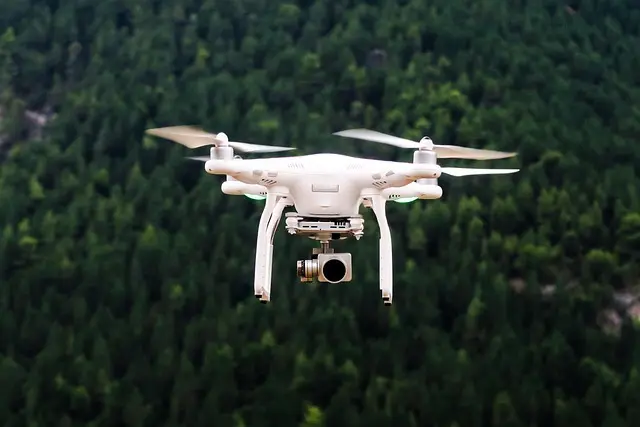
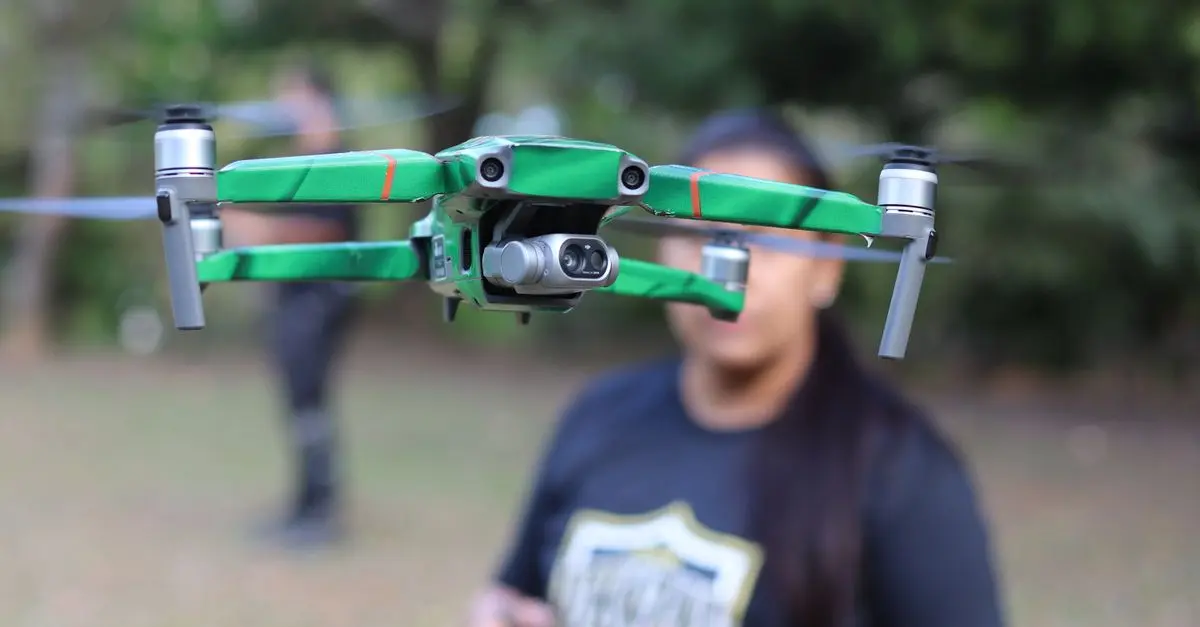
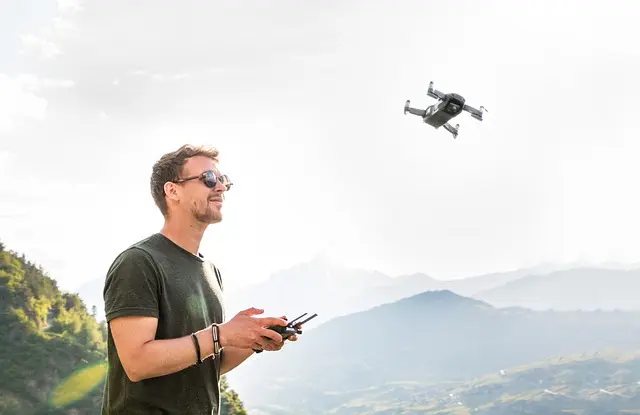
Drone technology refers to the use of unmanned aerial vehicles (UAVs) equipped with cameras and various sensors for capturing images and footage from the sky. This technology has evolved rapidly in recent years, resulting in highly sophisticated drones capable of producing high-resolution images and videos. Unlike traditional aerial photography, which often requires expensive equipment and expert piloting skills, drones are now accessible to both professionals and enthusiasts, making aerial photography more democratized.
The importance of drone technology in aerial photography lies not only in its affordability but also in its versatility. Drones can be used for a variety of applications, such as landscape photography, real estate marketing, surveying, and cinematography, among others. Additionally, they allow photographers to capture stunning, dynamic shots that were previously impossible or cost-prohibitive, leading to a creative explosion in visual storytelling.
How to Get Started with Aerial Photography Using Drones
Step 1: Choose the Right Drone
Selecting the right drone is crucial for any aspiring aerial photographer. Consider factors such as camera quality, flight time, and ease of use. It is worth investing in drones with high megapixel counts and stable platforms to ensure the best image quality. According to recent studies, drones with 12MP cameras and above can capture images suitable for professional use.
Step 2: Understand the Regulations
Before you take to the skies, familiarize yourself with local regulations surrounding drone usage. Most countries have specific guidelines and licensing requirements that differ based on where you intend to fly. For example, in the U.S., the FAA requires all drone operators for commercial use to obtain a Part 107 certificate.
Step 3: Learn the Basics of Drone Operation
If you are new to flying drones, take the time to learn the basics. Many online courses and instructional videos can guide you in understanding drone controls, navigation techniques, and photography settings. It's advisable to start with smaller, less expensive models to build your confidence before moving on to more advanced drones.
Step 4: Experiment with Different Angles and Settings
Once you're comfortable operating your drone, begin experimenting with various angles, heights, and camera settings. Aerial photography allows you to capture landscapes in fascinating ways – such as bird’s eye views or low-angle shots that showcase the scale of the environment.


BISSELL CleanView with OnePass Technology Plus Upright Bagless Vacuum Sienna 3583
bissell.com

Milwaukee Leather 7.4V Men's True All Seasons Leather Jacket with Heated and Cool Technology
thewarmingstore.com
Advantages of Using Drones for Aerial Photography
- Cost-effective: Drones offer a cost-effective alternative to traditional methods such as hiring a helicopter or using cranes, giving photographers expanded access to various shooting locations.
- Versatility: With the capabilities to shoot both still images and video, drones can meet the needs of various projects, from real estate listings to nature documentaries.
- High-quality images: Modern drones are equipped with advanced cameras that deliver excellent image quality, often comparable to professional DSLR systems.
- Unique perspectives: Drones enable photographers to capture images from previously inaccessible locations, offering unique perspectives that can enhance the storytelling aspect of their work.
Comparing Drone Types for Aerial Photography
| Feature | Consumer Drones | Professional Drones | Racing Drones |
|---|---|---|---|
| Camera Resolution | Up to 20MP | 20MP and above | Typically lower |
| Flight Time | 20-30 minutes | 30-50 minutes | 5-10 minutes |
| Price Range | $300 - $1,500 | $1,500 - $10,000 | $100 - $2,000 |
| Ease of Use | Beginner-friendly | Requires experience | Advanced pilot skills needed |
Each type of drone serves a different purpose, and understanding these differences can help you choose the right equipment for your specific aerial photography needs.
Analytical Insights and Trends
The growth of the drone market has exploded over the past few years. According to industry reports, the global commercial drone market is projected to reach $43 billion by 2024. This growth is driven by increased applications in sectors such as real estate, agriculture, and entertainment. In 2026, the trends indicate that drones equipped with AI capabilities will further enhance image stability, recognition, and processing, leading to even more creative and technical possibilities.
The wide adoption of drone technology has made high-level aerial photography accessible to amateurs, which has fostered a more competitive environment for professional photographers, encouraging continuous innovation and improvement in techniques and styles.
Frequently Asked Questions
What types of drones are best for photography?
Drones with high-resolution cameras and stable flight systems are best suited for photography. Look for models that offer at least 12MP camera capabilities and gimbal stabilization.
Do I need a license to fly a drone for photography?
Yes, in many countries, you need to follow local regulations. In the U.S., commercial photography requires a Part 107 license from the FAA.
What features should I look for in a photography drone?
Focus on camera quality, battery life, ease of use, and additional features like GPS for stability, follow-me modes, and obstacle avoidance.
How has drone technology changed aerial photography?
Drone technology has made aerial photography more accessible, cost-effective, and versatile, enabling photographers to capture images from unique perspectives that were previously unattainable.

Samsung Laundry Dryer with AI Control and Heat Pump Technology in White(DV25FG62B0BEA2)
samsung.com

Samsung Front Load Washer & Dryer Set with Vibration Reduction Technology+ and Sensor Dry in White(BNDL-1603912197302)
samsung.com
Expert Opinion
> 💡 Expert Insight: The advancements in drone technology have not only democratized aerial photography but have also set new standards for quality and creativity. As a photographer, it’s crucial to continuously adapt and innovate to stay ahead in this ever-evolving landscape.
Glossary
| Term | Definition |
|---|---|
| Drone | An unmanned aerial vehicle (UAV) used for various purposes including photography. |
| Gimbal Stabilization | A technology used to keep the camera steady during flight, preventing shakiness in images. |
| FPV (First Person View) | A mode that allows the pilot to see what the drone sees in real-time via a camera. |
Checklist Before Buying a Drone
- [ ] Assess your photography needs.
- [ ] Research local regulations and licensing.
- [ ] Compare different drone models.
- [ ] Check for camera specifications and reviews.
- [ ] Learn about flight safety and best practices.
📺 Resource Video
> 📺 To go further: *A comprehensive analysis of utilizing drone technology in aerial photography. Search on YouTube:
📺 Pour aller plus loin : drone technology aerial photography sur YouTube
Recommended products
Selected by our experts

Clinique Redness Solutions Makeup Broad Spectrum SPF 15 With Probiotic Technology, Calming Honey - 1 fl. oz./30 ml
clinique.com

PLAUD Inc. Plaud Note AI Voice Recorder, Voice Recorder w/Case, App Control, Transcribe & Summarize with AI Technology, Support 112 Languages, 64GB
plaud.ai
Nonin Medical NoninConnect™ Finger Pulse Oximeter with Bluetooth® Smart Wireless Technology
concordhealthsupply.com
Nonin Medical NoninConnect™ Finger Pulse Oximeter with Bluetooth® Smart Wireless Technology
concordhealthsupply.com

Plaud NotePin AI Voice Recorder, Voice Recorder with Neck Strap Lanyard, Transcribe & Summarize with AI Technology, 64GB Memory
plaud.ai