Table of Contents (10 sections)
What is Drone Technology?
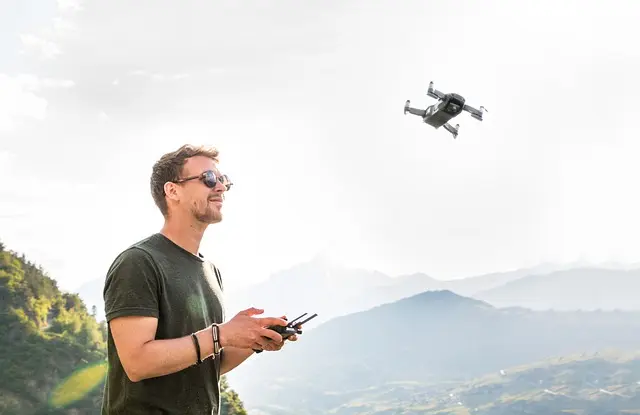
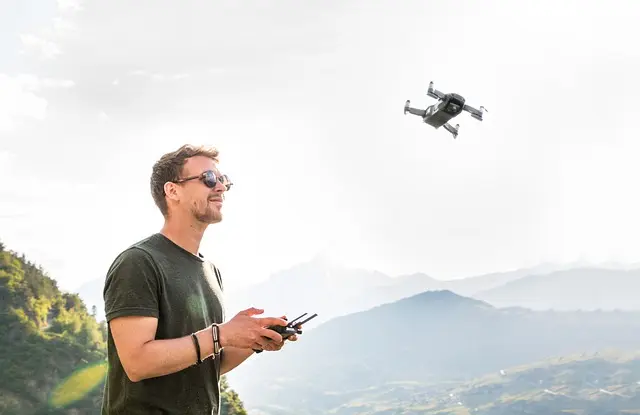
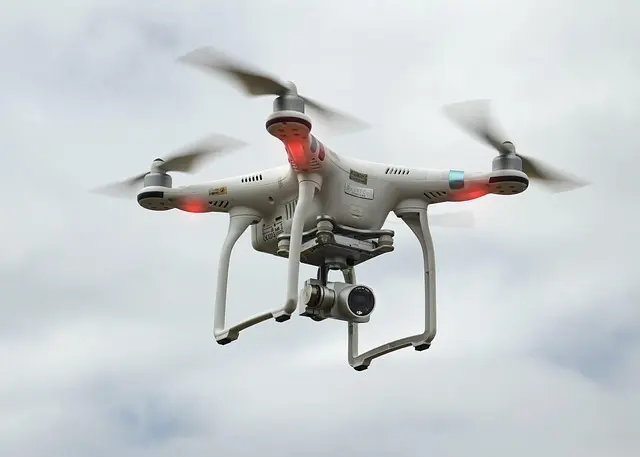
Drone technology refers to the use of unmanned aerial vehicles (UAVs) that can be remotely controlled or fly autonomously using software-controlled flight plans. This technology has rapidly evolved over the years, transitioning from military applications to a wide array of commercial and recreational uses. In 2026, drones today come equipped with high-definition cameras, sensors, and GPS technology, enabling them to capture significant data while flying above various terrains.
The applications of drone technology are vast, extending into agriculture, real estate, filmmaking, and notably, environmental conservation. As climate change and human activity increasingly threaten ecosystems worldwide, drones offer innovative solutions to monitoring and protecting natural environments. Understanding drone technology is essential for leveraging its benefits in environmental conservation efforts, precisely because of its ability to cover large areas quickly and gather data from hard-to-reach locations.
Furthermore, industrial drones vary in size, capability, and cost, which allows them to be utilized in both small-scale and extensive conservation projects. The Environmental Protection Agency (EPA) highlights that drone technology can significantly reduce the labor and costs associated with traditional data collection methods while improving accuracy and efficiency.
The Role of Drones in Environmental Conservation
Drones play a crucial role in environmental conservation by enabling better monitoring of ecosystems, wildlife, and natural resources. One of the standout features of drone technology is its ability to access remote or hazardous areas, which are often difficult for humans to reach. For instance, conservationists use drones to monitor wildlife populations, track illegal poaching, and assess the health of forests or wetlands without disturbing the environment.
Recent studies indicate that drones can monitor wildlife populations with remarkable accuracy. For example, researchers used drones equipped with thermal cameras to monitor African elephants in their natural habitat. The data collected provided insights into population dynamics and movement patterns that would have been challenging to gather using traditional methods. In the field of forestry, drones provide vital information about tree health and forest density, helping manage sustainable logging practices.
Additionally, drones are invaluable in disaster response scenarios such as wildfires or oil spills. They can quickly assess damage, enabling quicker response times and better resource allocation. With the help of drone technology, conservationists are becoming more adept at making informed decisions backed by real-time data, enhancing the efficacy of their conservation efforts.
How to Use Drones for Conservation Efforts
Implementing drone technology into environmental conservation is a multi-step process that involves planning, execution, and ongoing assessment. Here’s a structured approach to integrating drones into conservation initiatives:
- Define Objectives: Establish what conservation goals need addressing. Is the goal wildlife monitoring, habitat restoration, or disaster assessment?
- Select Appropriate Drone: Depending on budget and objective, choose a drone optimized for the task at hand. Drones with high-resolution cameras and thermal imaging capabilities are great for wildlife monitoring, while agricultural drones can help assess vegetation health.
- Pilot Training: Ensure that operators are trained in handling drones and interpreting the data collected. It’s essential to comply with FAA regulations for commercial drone use in the U.S. and to safely operate drones in ecological territories.
- Data Collection and Analysis: Use the drone to gather data according to your defined objectives. Utilize software tools that can analyze the data collected, offering insights into patterns and trends.
- Review and Adapt: Post-operation, scrutinize the information for accuracy, and adjust strategies as needed based on findings to improve future operations.
By following these steps, conservation teams can harness drone technology effectively, ensuring that it serves as a powerful tool for environmental protection.
Comparative Analysis of Drone Technologies
| Feature | Option A: Fixed-Wing Drones | Option B: Multirotor Drones | Option C: Hybrid Drones | Verdict |
|---|---|---|---|---|
| Flight Time | Up to 10 hours | Up to 30 minutes | Up to 3 hours | Fixed-Wing is ideal for large areas |
| Payload Capacity | High | Low to Medium | Medium | Choose based on required sensors |
| Cost | $10,000 - $80,000 | $500 - $5,000 | $2,000 - $50,000 | Evaluate based on budget & needs |
| Ease of Use | Requires Training | Easier for Beginners | Advanced Use | Multirotor is user-friendly for beginners |
When deciding on a drone for environmental conservation, consider the specific need and context of the operation. Fixed-wing drones excel in covering vast geographical expanse, while multirotor drones are best for detailed inspections in confined spaces. Hybrid drones provide a balance of efficiency and capacity, making them suitable for various applications.
Statistics on Drones and Environmental Impact
Statistical data supports the increasing relevance of drone technology in environmental conservation efforts. According to data from the Global Drone Ecosystem (2025), the use of drones in environmental monitoring has increased by 400% over the last decade. Additionally, a report from the U.N. Environment Programme projects that drone integration into environmental projects may reduce operational costs by up to 50% while improving data accuracy by approximately 70%.
Furthermore, case studies demonstrate that projects using drones for wildlife monitoring have successfully reduced poaching incidents by more than 60% in regions where drones were deployed. These statistics indicate a critical trend—drones are not just an innovative tool; they are reshaping how conservationists approach environmental issues.
Expert Opinions on Drone Usage
> 💡 Expert Insight: Dr. Emily Chen, a leading ecologist, emphasizes the capabilities of drones in modern conservation efforts. "Drones present an unparalleled opportunity for conservationists. They help us evaluate ecosystems with minimal footprint. Use of remote sensing data improves our understanding without disturbing wildlife habitats."
Many experts affirm that as drone technology continues to evolve, its integration into conservation practices will become more ubiquitous. Collaborative efforts among organizations, tech companies, and trained professionals are vital for harnessing the full potential of drones in protecting our planet.
FAQs
- What is the primary benefit of using drones for environmental conservation?
Drones provide real-time data collection and monitoring capabilities that are efficient, cost-effective, and non-invasive.
- How do drones help with wildlife conservation?
Drones help monitor habitats, detect illegal poaching, and assess animal populations without disturbing them.
- Are there any regulations to comply with when using drones?
Yes, drone operators must follow FAA regulations and obtain the necessary permits for commercial use.
- What types of drones are best for conservation?
The best types include fixed-wing drones for large areas and multirotor drones for detailed inspections.
Glossary
| Term | Definition |
|---|---|
| UAV (Unmanned Aerial Vehicle) | A type of aircraft that is operated without a pilot on board, commonly referred to as a drone. |
| Remote Sensing | The acquisition of information about an object or phenomenon without making physical contact, often using satellites or aircraft. |
| Ecological Footprint | The impact of a person or community on the environment, expressed as the amount of land required to sustain their use of natural resources. |
Checklist before Implementing Drones
- [ ] Define clear conservation objectives.
- [ ] Research and choose the right drone for your task.
- [ ] Ensure operators are trained and certified.
- [ ] Prepare data analysis tools and software.
- [ ] Create a plan for data interpretation and action.
📺 For further insights: How Drone Technology is Changing Environmental Conservation, a comprehensive analysis on the subject. Search on YouTube: "drone technology in environmental conservation 2026."
📺 Pour aller plus loin : drone technology in environmental conservation 2026 sur YouTube